Summary:
You’ve read the articles. You’ve watched the videos. You’ve added things to your cart and then closed the tab because you still weren’t sure. That’s not a you problem — that’s what happens when an entire industry profits from making skin care feel complicated.
The truth is that a routine that works doesn’t have to be elaborate. It has to be consistent. And it has to be built around what your skin actually needs, not what’s trending on social media this week.
We’re here to help you cut through the noise, understand the basics, and figure out when a professional can help you get there faster.
How to Set Skin Care Goals That Actually Guide Your Routine
Before you buy anything, it helps to know what you’re working toward. Skin care goals aren’t just a nice concept — they’re what determine which products belong in your routine and which ones are just clutter.
Someone focused on managing acne needs a completely different approach than someone trying to address early fine lines or uneven skin tone. The products overlap in some places, but the priorities don’t. Starting without a clear goal is the fastest way to end up with a shelf full of things that don’t work together.
Take a few minutes to think honestly about what bothers you most when you look in the mirror. That’s your starting point. Everything else builds from there.
How Do I Figure Out What My Skin Actually Needs?
Most people try to self-diagnose their skin type from a quiz they found online, and most of those quizzes are wrong — or at least incomplete. Skin type isn’t fixed. It shifts with the seasons, with your hormones, with your environment, and with whatever products you’ve been using.
Here in Wake County, NC, the climate adds another layer of complexity. The summers are genuinely brutal — hot, humid, and relentless — which drives excess oil production and clogs pores in ways that people who grew up in drier climates aren’t prepared for. Then fall arrives, the air dries out, and suddenly the same skin that was oily in August feels tight and flaky by November. And anyone who’s lived through a North Carolina spring knows that the pollen alone is enough to trigger sensitivity and redness in skin that was perfectly calm the week before.
What this means practically is that a routine built for your August skin might not serve you in February. The foundation stays the same — cleansing, moisturizing, protecting — but the specific products and the intensity of your treatments may need to shift.
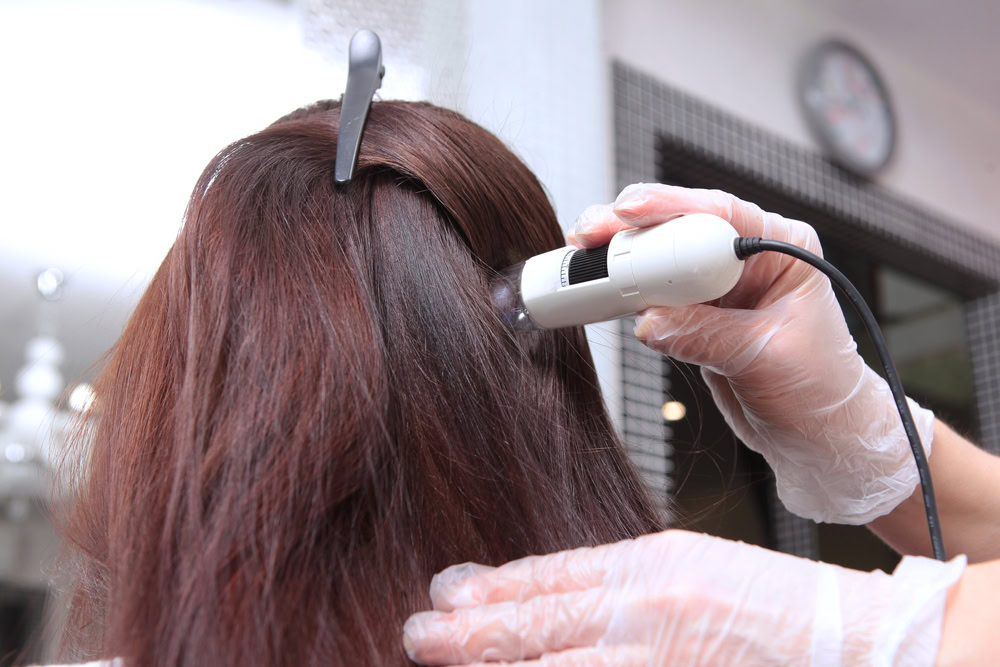
This is one of the biggest reasons a professional skin evaluation is worth doing before you spend money on products. A licensed esthetician can look at your skin, ask the right questions, and tell you what’s actually going on. At Wake Skincare, every new client starts with a complimentary skin evaluation for exactly this reason. It’s not a sales pitch. It’s the step that makes everything else more efficient.
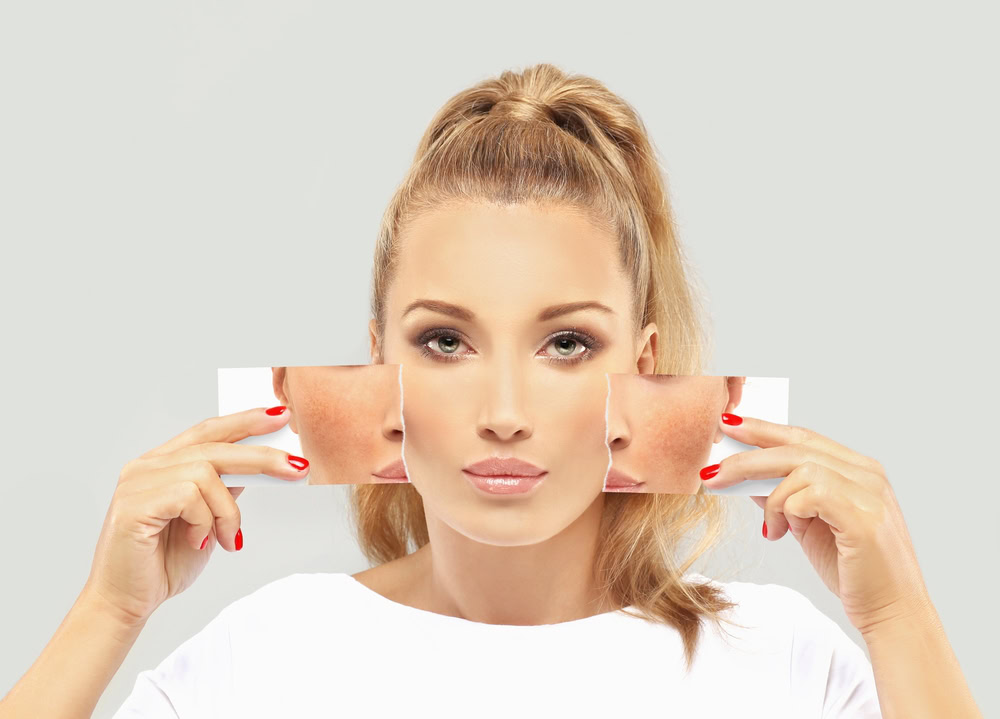
Understanding your skin means understanding your goals more clearly, too. If you’re dealing with hyperpigmentation — dark spots from sun exposure, old acne marks, or hormonal changes — that’s a specific concern with specific solutions, and it’s one where professional expertise matters enormously. If you’re starting to notice fine lines or dullness in your late 20s or 30s, that’s a different conversation. Knowing which category you’re in shapes every product decision you make.
What Are the Basic Steps of a Skin Care Routine?
Strip away everything the internet has added to skin care over the past decade and you’re left with three things that actually matter: cleanse, moisturize, and protect. That’s the foundation. Everything else — serums, toners, exfoliants, eye creams — sits on top of it and only makes sense once the foundation is solid.
Cleansing removes what your skin has accumulated throughout the day: oil, sunscreen, pollution, makeup, dead skin cells. A gentle cleanser used morning and night is non-negotiable regardless of your skin type.
People with oily skin sometimes skip moisturizer because they think it’ll make things worse. It won’t. The right moisturizer actually signals to your skin that it doesn’t need to overproduce oil to compensate for dehydration.
SPF in the morning is the single most effective anti-aging step you can take — more effective than any serum, any treatment, any product with a premium price tag.
Once those three are working consistently, you can start layering in actives. A vitamin C serum in the morning adds antioxidant protection and helps with brightness. A retinoid at night addresses cell turnover and fine lines. Hyaluronic acid boosts hydration at the skin barrier level.
The order matters. Apply thinnest to thickest: cleanser, then toner if you use one, then serum, then moisturizer, then SPF during the day. Applying in the wrong order means your actives can’t penetrate properly, and you won’t see the results you’re expecting.
One of the most common mistakes beginners make is adding too much too fast. They build a seven-step routine in week one, their skin reacts, and they don’t know which product caused the problem. The smarter approach is to introduce one new product at a time and give it two to four weeks before adding anything else. Slow is fast when it comes to building a routine that works.
Building a Skin Care Routine for Glowing Skin That Lasts
Glowing skin isn’t a product — it’s the result of a routine that’s consistent, appropriate for your skin type, and supported by the right professional treatments when your home routine hits its ceiling.
The clients we see who experience the most dramatic improvements aren’t the ones with the most products. They’re the ones who know exactly what their skin needs and do those things reliably. A three-step routine done every single day will outperform a twelve-step routine done sporadically every time.
That said, there’s a ceiling to what any home routine can achieve on its own. Professional treatments work at a level that over-the-counter products simply can’t reach — and knowing when to add them is part of building a routine that actually gets you where you want to go.
When Should You Add Professional Treatments to Your Skin Care Routine?
A lot of people think professional skin care is for people with serious problems — severe acne, deep wrinkles, significant hyperpigmentation. That’s a misconception worth clearing up. Professional treatments are just as valuable for maintenance and prevention as they are for correction. In fact, starting professional care before a concern becomes severe is almost always more effective than waiting until it’s harder to treat.
Think of it this way. Your home routine is daily maintenance — it keeps your skin clean, hydrated, and protected. Professional treatments go deeper.
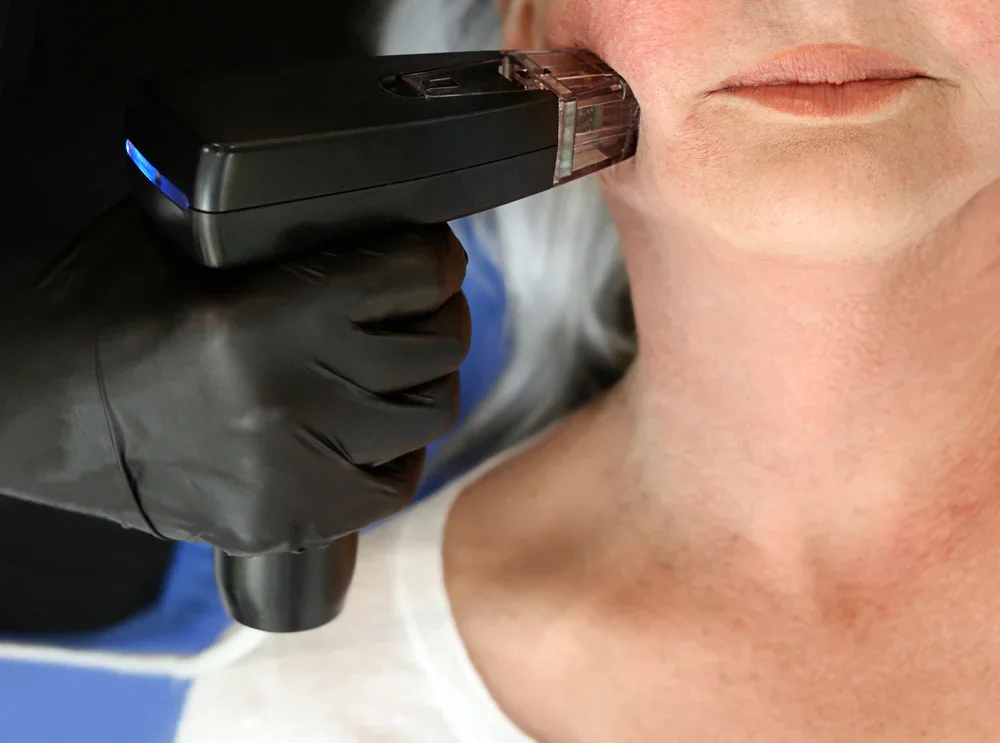
A HydraFacial delivers hydration at a level no moisturizer can match, while simultaneously clearing congestion and infusing the skin with targeted serums. A chemical peel accelerates cell turnover and addresses pigmentation in a way that takes a topical retinoid months to approximate. Microneedling stimulates collagen production that no serum can trigger on its own.
The question isn’t whether professional treatments are worth adding. It’s knowing which ones are right for your skin and when. That’s where a consultation changes everything. Rather than guessing which treatment to try first, a licensed esthetician can look at your skin, understand your goals, and map out a logical sequence — starting with what will deliver the most noticeable improvement and building from there.
For clients in Wake County, NC dealing with sun damage from years of intense summer exposure, IPL is often one of the first professional treatments worth discussing. For someone whose primary concern is dullness and dehydration, a HydraFacial might be the faster path to visible results. For someone working on acne scarring or textural concerns, microneedling addresses the structural issue in a way that topical products can’t.
The point is that professional treatments aren’t a luxury add-on to a skin care routine. For many people, they’re the step that finally makes the routine work.
Anti-Aging Skin Care: When to Start and What to Focus On
The most common question we hear from clients in their late 20s and 30s is some version of: “Is it too late to start?” It’s never too late. But earlier is genuinely better — not because you’ve already failed if you’re starting now, but because prevention is easier than correction.
The first signs of aging are usually subtle: a little less bounce when you press your cheek, fine lines that don’t fully smooth out the way they used to, a general flatness to the skin that wasn’t there a few years ago. These changes are normal, and they respond well to the right approach.
On the home routine side, the two most evidence-backed additions for anti-aging are retinoids and SPF. Retinoids — whether prescription-strength tretinoin or over-the-counter retinol — increase cell turnover, stimulate collagen production, and address fine lines over time. They take patience, typically several weeks before you see meaningful change, but the evidence behind them is stronger than almost anything else in skin care.
SPF, used every single morning regardless of whether you plan to be outside, prevents the UV damage that accelerates aging faster than almost any other factor. This is especially important in Wake County, NC, where summer sun exposure is intense and cumulative damage shows up earlier than in less sunny climates.
Professionally, the treatments that complement an anti-aging routine most effectively are microneedling, chemical peels, and IPL. Microneedling creates controlled micro-injuries in the skin that trigger the body’s natural collagen and elastin production — it’s one of the most effective tools available for improving skin texture, firmness, and fine lines. Chemical peels work at the cellular level to accelerate turnover and address pigmentation. IPL targets the brown spots and redness that accumulate with sun exposure over years.
Starting a consistent SPF habit and having a professional evaluate your skin before concerns become harder to treat is genuinely worth doing sooner rather than later. At Wake Skincare, Jacqueline Grace holds a Master certification in HydraFacial — among the first 100 practitioners in the world to reach that level — and has taken first place in Pigmentation Artist of the Year at The Skin Games, an international aesthetics competition. These credentials matter when you’re trusting someone with your skin, especially when anti-aging treatments require both technical precision and a real understanding of how different skin types respond.
Ready to Build a Skin Care Routine That Actually Works for You?
The biggest barrier to starting a skin care routine isn’t the products — it’s the paralysis that comes from too much information and too little guidance. The fundamentals are simpler than the industry makes them look: cleanse consistently, moisturize appropriately, protect with SPF every morning, and add professional treatments when your home routine needs support.
You don’t need to figure all of this out on your own. A single conversation with a knowledgeable esthetician can save you months of trial and error and a lot of money spent on products that weren’t right for your skin.
If you’re in Wake County, NC and ready to stop guessing, we offer a complimentary skin evaluation for every new client — no pressure, no obligation, just a clear starting point built around your skin and your goals.