Summary:
You’ve had the facials. Your skin glows for a day or two, maybe three — and then it’s right back to where it started. The congestion, the dark spots, the texture that no amount of product seems to fix. It’s frustrating, especially when you’re putting in the time and the money.
Here’s the thing: it’s probably not your skin failing you. It’s the type of treatment. There’s a real, clinical difference between what a day spa facial can do and what a med spa treatment actually delivers. Once you understand that difference, the choices get a lot clearer — and so do the results.
What Is a Medical Spa and How Is It Different From a Day Spa?
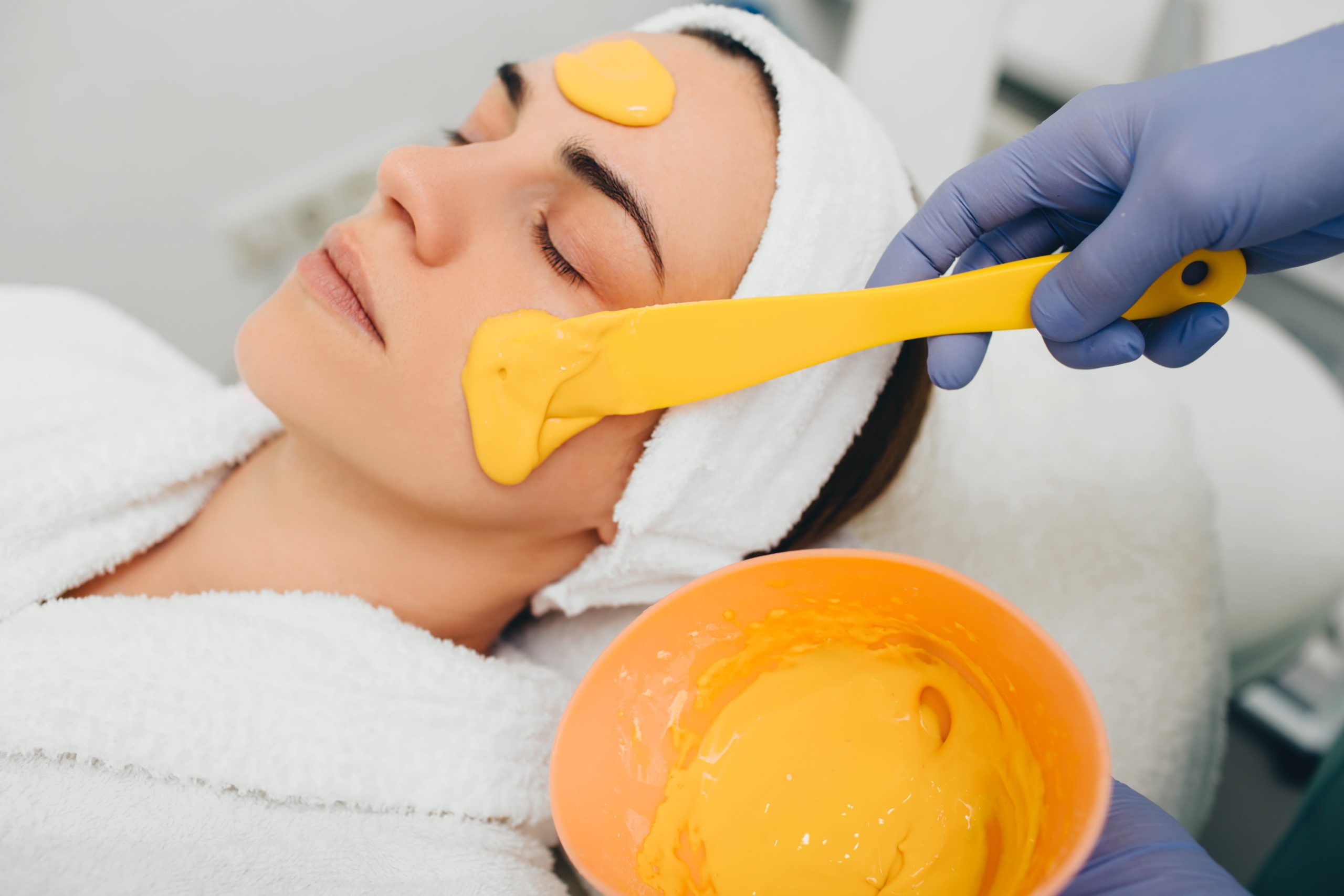
A day spa is built around relaxation. The facials feel wonderful, the environment is peaceful, and you leave looking a little brighter. But the products and techniques used there are limited to cosmetic-grade ingredients — nothing that penetrates deep enough to make a lasting structural change to your skin.
A medical spa operates under physician oversight and is licensed to use clinical-grade treatments, medical-grade devices, and higher concentrations of active ingredients that simply aren’t available in a standard spa setting. That’s not a marketing distinction — it’s a legal and clinical one.
Why Medical Oversight Actually Matters in a Skincare Setting
Every legitimate medical spa is required to have a licensed physician serving as medical director. That physician supervises the clinical treatments being performed and ensures the practice meets the safety and regulatory standards that apply to medical procedures. It’s not just a name on the wall — it’s a structural requirement that separates a true med spa from a day spa that’s borrowed the label.
At Wake Skincare, that oversight comes from Dr. Joseph Hummel, the overseeing physician. His involvement means that when we offer treatments like SkinPen microneedling, Morpheus8 RF microneedling, IPL, or chemical peels, those services are being performed within a proper medical framework — not just by a well-meaning aesthetician working without clinical accountability.
This matters more than most people realize. Certain treatments — injectables, laser services, medical-grade chemical applications — can only be legally and safely offered under physician supervision. A day spa is not licensed to provide them. So when you’re comparing options and one provider offers a dramatically wider range of results-driven services, physician oversight is usually the reason why.
It also matters for safety. Treatments like IPL and chemical peels interact differently with different skin tones and skin conditions. A provider operating within a medical framework is trained to assess those factors, adjust protocols accordingly, and manage any complications if they arise. That’s a different level of accountability than what a day spa is equipped to offer.
Before you book anything, it’s worth asking: is there a named, verifiable medical director? Are the providers licensed for the treatments they’re performing? Those two questions alone will tell you a lot about whether you’re working with a true medical spa.
What Med Spa Treatments Can Actually Do That a Day Spa Facial Cannot
The core difference comes down to depth and clinical strength. Day spa facials work at the surface — cleansing, hydrating, soothing. They’re not designed to address the deeper layers of skin where acne, hyperpigmentation, collagen loss, and textural irregularities actually originate.
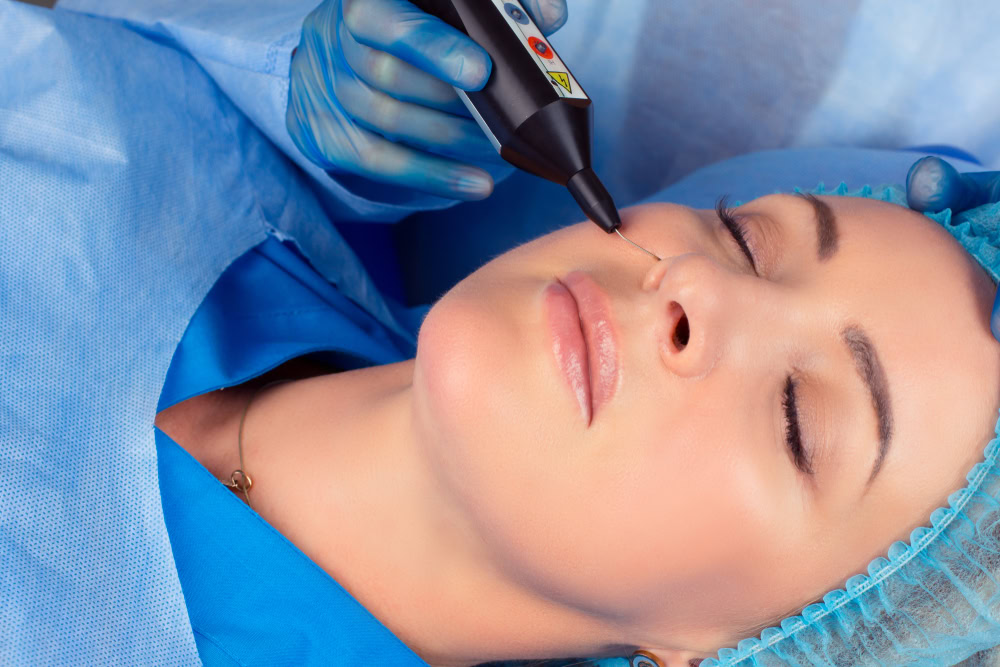
Med spa treatments work differently. A HydraFacial uses patented vortex technology to cleanse, extract, and infuse the skin with serums that a standard facial can’t deliver at the same concentration or depth. Microneedling — whether with SkinPen or Morpheus8 RF — creates controlled micro-channels in the skin that trigger your body’s own collagen production. Chemical peels at a clinical level resurface the skin in a way that changes texture and tone over time, not just for a day or two.
These aren’t incremental upgrades to what a day spa offers. They’re categorically different interventions. And because they’re more powerful, they also require more clinical judgment — which is why the training and credentials of your provider matter so much.
Our founder Jacqueline Grace is among the first 100 practitioners in the world to have achieved HydraFacial Master certification, having earned all three tiers: Professional, Expert, and Master. She’s also a two-time award winner in Pigmentation Artist of the Year at The Skin Games — an international esthetics competition that evaluates practitioners on technical skill and clinical outcomes. Those credentials exist because the treatments we offer require a level of expertise that goes well beyond a standard esthetics license.
Wake County’s climate plays into this too. The combination of high UV exposure, humid summers, and one of the most aggressive pollen seasons in the country creates year-round skin stress — sun damage, congestion, hyperpigmentation, and sensitivity that a relaxation facial isn’t equipped to address. Residents here often need more than maintenance. They need clinical correction.
How to Choose the Right Med Spa Treatment for Your Skin Concerns
The hardest part for most people isn’t deciding to try a med spa. It’s figuring out what they actually need. The treatment menu at a medical spa can feel overwhelming — especially when you’re not sure whether your concern is acne, hyperpigmentation, dehydration, aging, or some combination of all four.
The honest answer is that you probably shouldn’t be choosing your own treatment before you’ve had a real consultation. We assess your skin, ask about your history, your lifestyle, and your goals — and then build a plan around what your skin actually needs, not what’s most popular or most profitable.
Matching the Right Facial Treatment to Your Specific Skin Concern
Different concerns respond to different treatments, and getting that match right is what separates a treatment plan that produces lasting results from one that produces a temporary glow.
If your primary concern is dullness, dehydration, or general skin health maintenance, a HydraFacial is often a strong starting point. It’s one of the few treatments with essentially zero downtime, and it delivers immediate, visible results — which is why it’s one of the most requested services we offer. The experience is comfortable, the results are noticeable the same day, and it works well across a wide range of skin types.
For acne and congestion, the approach depends on the type and severity. Some clients respond well to clinical-grade chemical peels or BioRepeel. Others benefit from a combination of extractions, targeted serums, and a structured maintenance plan. What doesn’t work is a one-size-fits-all protocol — acne has too many contributing factors for that approach to produce consistent results.
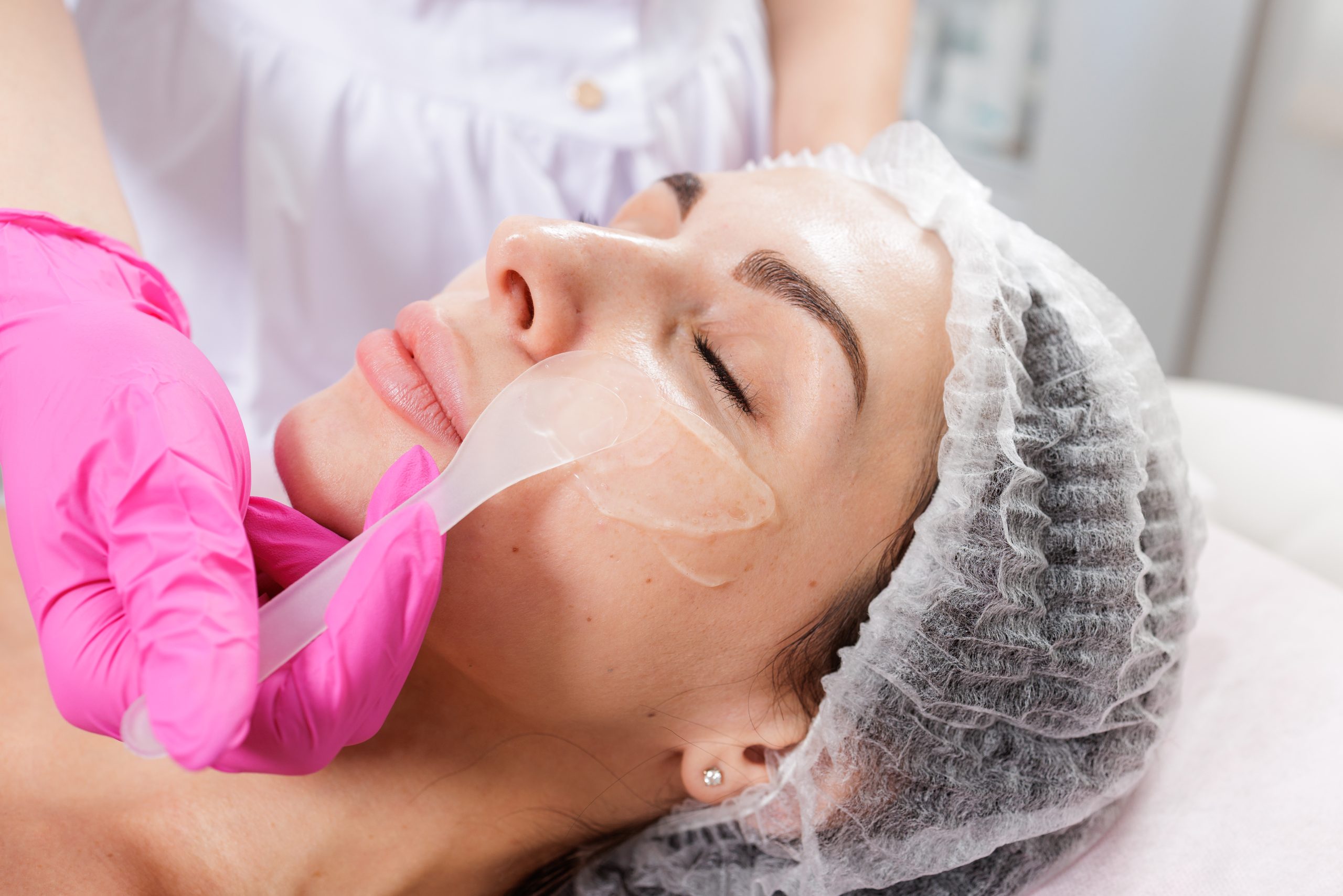
Hyperpigmentation is one of the more nuanced concerns to treat, and it’s one we specialize in. Dark spots, uneven skin tone, and post-inflammatory pigmentation — the kind that lingers after acne or sun exposure — can respond to IPL, chemical peels, microneedling, or a combination, depending on your skin tone and the nature of the pigmentation. This is particularly important for clients with darker complexions. Treatments that aren’t calibrated for melanin-rich skin can worsen pigmentation rather than correct it. Jacqueline’s background in skin of color and her international competition credentials in pigmentation specifically mean that clients who’ve been hesitant to seek treatment — because they’ve been burned before, literally or figuratively — are in genuinely experienced hands here.
For anti-aging concerns, the spectrum runs from preventive to corrective. Dermaplaning and clinical facials can address surface texture and early signs of aging. Microneedling and Morpheus8 work deeper, stimulating collagen and improving skin laxity over a series of treatments. Botox addresses dynamic lines. The right entry point depends on where you are in that spectrum — which is exactly what a free consultation is designed to figure out.
What to Look for When Choosing a Med Spa in Wake County, NC
Wake County has no shortage of skincare providers. From multi-location chains to boutique practices, the options are real — and so are the differences between them. Knowing what to look for makes the decision a lot easier.
Start with credentials. Not the general kind — the specific kind. Does the provider have named, verifiable certifications for the treatments they’re offering? Is there a named medical director with documented credentials? These aren’t unreasonable questions to ask, and a legitimate practice will answer them directly.
Look at the reviews — not just the star rating, but the actual language people use. Are clients describing results that lasted? Are they mentioning that they felt educated and informed, not pressured? Do they come back? A sustained pattern of specific, detailed reviews tells you more than any marketing page.
Consider whether the practice offers a real consultation before recommending treatment. A provider who pushes you toward a specific service before understanding your skin history, your goals, and your skin type is a provider who is selling a menu, not solving a problem. We offer free skin evaluations to every new client precisely because we don’t think you should be guessing at what your skin needs.
And think about the fit between your concerns and the provider’s demonstrated expertise. If you’re dealing with hyperpigmentation, a provider with international competition credentials in pigmentation is a meaningfully different choice than one who lists it as a service among dozens. If you have skin of color, a provider who explicitly specializes in melanin-rich skin — and can point to clinical outcomes that prove it — is not the same as one who treats all skin types generically.
Wake Forest and the surrounding northern Wake County area have grown dramatically over the past decade, and the population that’s arrived here is sophisticated. Many residents have come from cities where high-quality medical aesthetics were the norm and they’re not looking to settle for less. We’ve been serving this community since we opened, and the clients who’ve stayed with us over the years are the best evidence we can offer that the work holds up.
Frequently Asked Questions About Med Spa Treatments in Wake County
**Do med spa treatments work for men?** Yes, and the demand is growing. Men deal with the same skin concerns — sun damage, acne, uneven texture, early aging — and respond just as well to clinical treatments. Razor bumps, ingrown hairs, and chronic oiliness are concerns that med spa facials address particularly well. If you’ve assumed this space isn’t for you, it’s worth reconsidering.
**How many treatments will I need before I see results?** It depends on what you’re treating. Some treatments, like HydraFacial and dermaplaning, produce visible results after a single session. Others, like microneedling or a chemical peel series for hyperpigmentation, work progressively — you’ll typically see meaningful change after three to six treatments, with continued improvement over time. We’ll give you an honest answer during your consultation, not an optimistic one.
**Is there downtime involved?** Many of our treatments have little to no downtime — HydraFacial, dermaplaning, and certain clinical facials fall into that category. Others, like deeper chemical peels or microneedling, may involve a few days of redness or mild peeling. For clients in Wake County, NC who need to be back at work or outdoors quickly, we factor that into our recommendations.
**How is a med spa facial different from what I’d get at a day spa?** The short version: clinical-grade ingredients, medical-grade devices, physician oversight, and treatments that work at a deeper level of the skin. The longer version is everything covered above — but the most important difference is that a med spa is designed to produce results that last, not just results that feel good in the moment.
If you’re ready to stop guessing and start seeing real change in your skin, Wake Skincare offers free consultations for every new client. Come in, tell us what you’re dealing with, and we’ll tell you honestly what we think will help.