
Summary:
You’ve probably read enough to know that both microneedling and chemical peels can help with acne scars, dark spots, and uneven texture. But the more you read, the harder the choice gets. One article says peels are faster. Another says microneedling is safer for darker skin. A third tells you to just “consult a professional” — which isn’t exactly the answer you were looking for.
Here’s a straightforward breakdown of how these two treatments actually work, what they’re each best at, and how to figure out which one belongs in your plan. No vague promises, no upselling — just the information you need to make a smarter call.
How Microneedling and Chemical Peels Actually Work
These two treatments get lumped together constantly because they share some overlapping results — smoother texture, more even tone, reduced scarring. But the way they get there is fundamentally different, and that difference matters when you’re choosing between them.
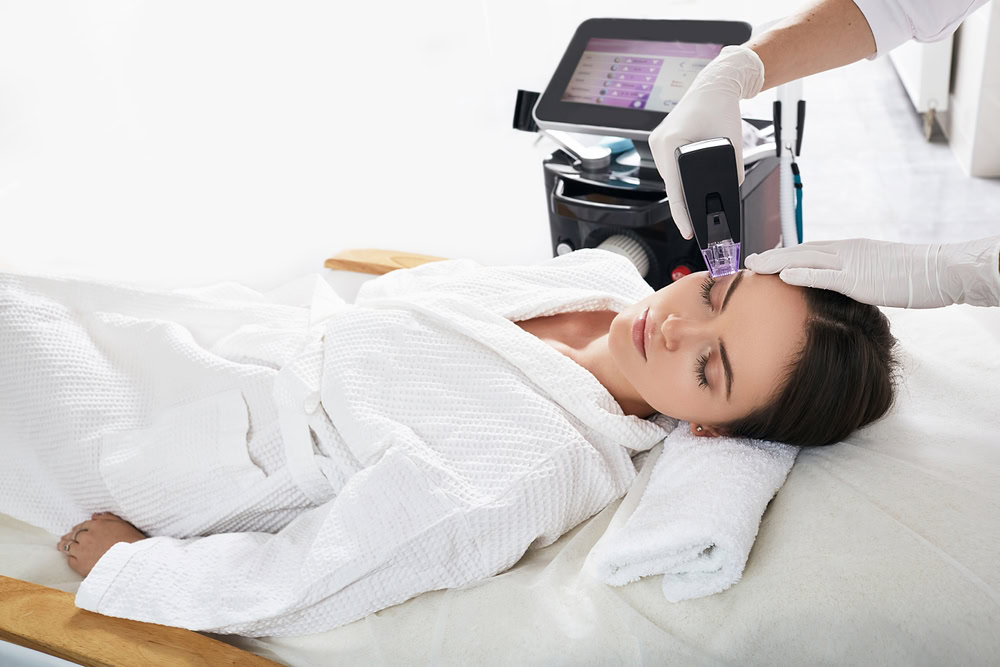
Microneedling works from the inside out. A device like SkinPen — the first and only FDA-approved microneedling device for treating acne scars and wrinkles, classified as a Class II medical device — creates controlled micro-perforations in the skin. Your body reads those as minor injuries and responds by producing new collagen and elastin. You’re not removing damaged skin. You’re triggering your body to replace it over time.
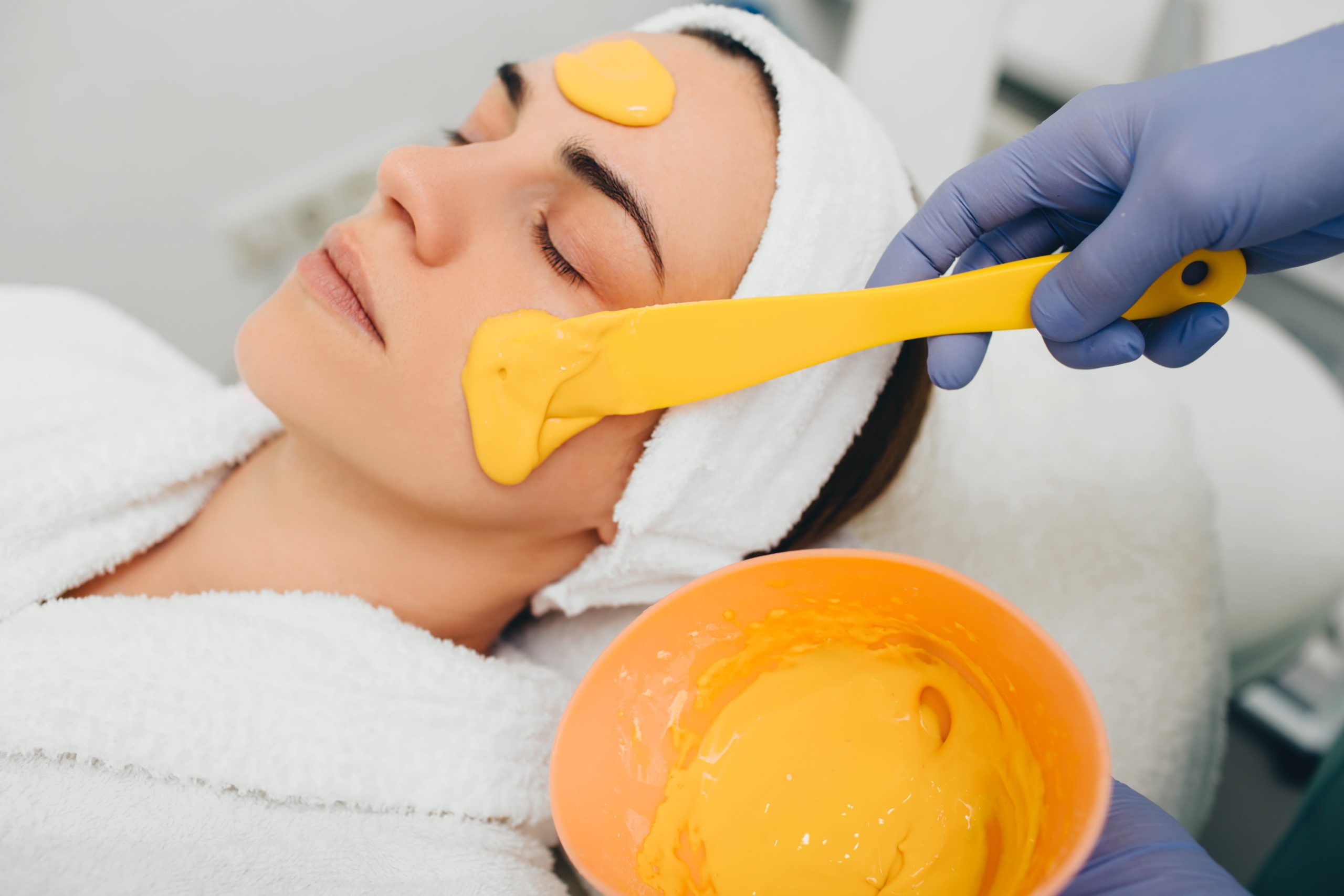
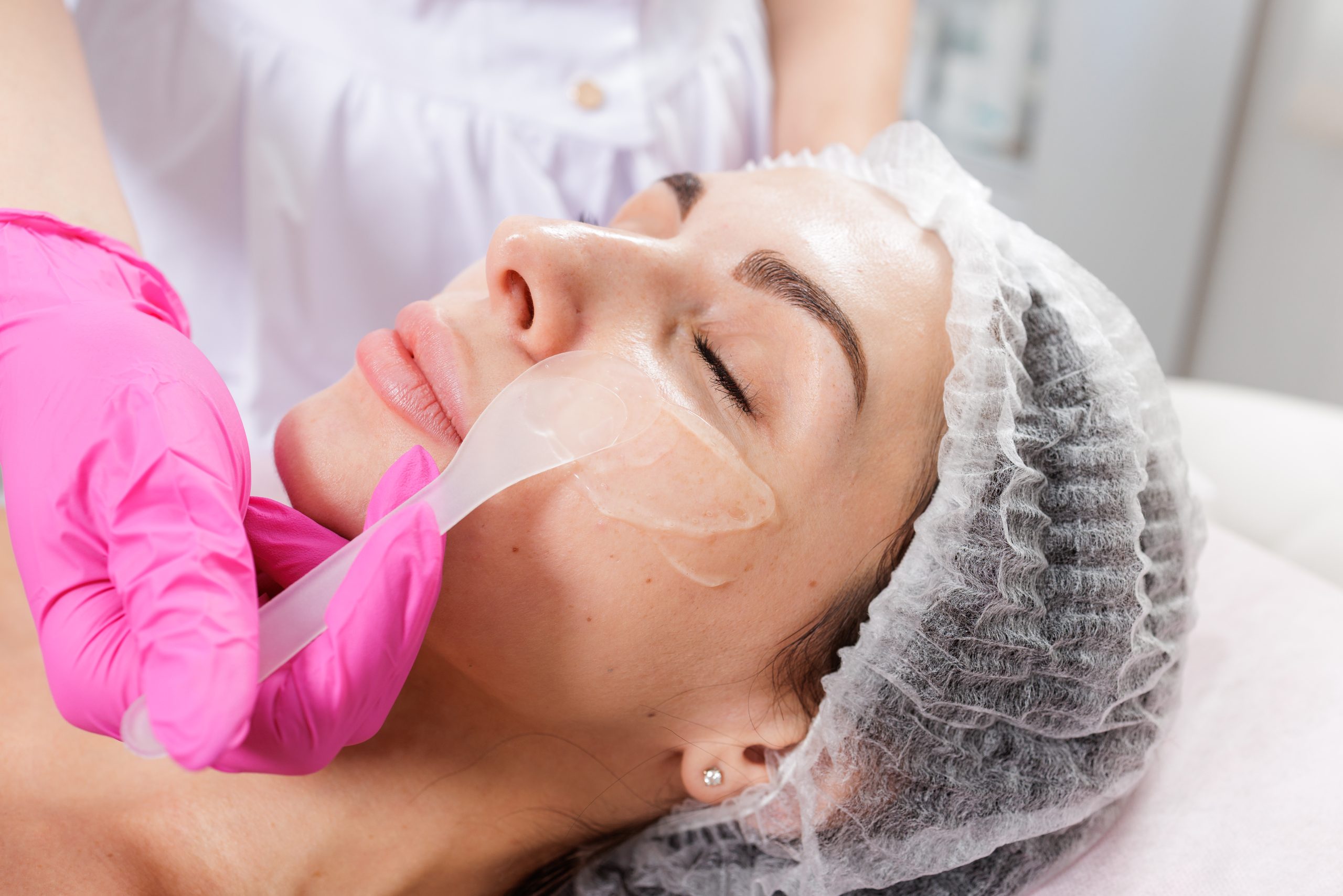
Chemical peels work from the outside in. A carefully selected acid solution is applied to the surface of your skin, causing controlled exfoliation that removes damaged outer layers. Depending on the depth of the peel — light, medium, or deep — you’re revealing fresher skin underneath and signaling the skin to regenerate.
Which skin concerns does each treatment handle best?
This is where the decision usually gets clearer. Both treatments can address a range of concerns, but they have different strengths depending on what’s actually going on with your skin.
Microneedling tends to perform best for acne scarring, enlarged pores, fine lines, and skin laxity. Because it works by stimulating collagen production deep in the skin, it’s particularly effective for textural issues — the kind that don’t respond well to surface-level exfoliation alone. Clinical data on SkinPen shows that four sessions spaced one month apart can produce a 400% increase in collagen and elastin six months after the final session. That’s a meaningful, measurable outcome — not a marketing estimate. Research published in the Journal of Cosmetic Dermatology also found that microneedling combined with targeted topical treatments can reduce hyperpigmentation by up to 60% within a few months.
Chemical peels tend to perform best for surface-level discoloration, dullness, sun damage, and mild texture issues. A light glycolic or lactic acid peel can brighten the skin noticeably within a few days, which makes it the smarter choice if you’re working toward a specific event or timeline. Medium-depth peels go further — they can address more stubborn pigmentation and moderate lines — but they also come with more downtime.
One thing worth knowing: if you have darker skin, the choice between these two treatments carries real safety implications, not just preference. Medium and deep chemical peels carry a documented risk of post-inflammatory hyperpigmentation (PIH) in Fitzpatrick IV through VI skin types. Microneedling, because it uses mechanical stimulation rather than chemicals or heat, is generally safer across all skin tones. This isn’t a minor footnote — for a significant portion of Wake County’s population, it’s one of the most important factors in the decision. We specialize in treating skin of color, and this is exactly the kind of nuance that gets assessed during a consultation, not guessed at.
How much downtime should you expect from each?
Downtime is one of the most practical factors in this decision, and it’s also one of the most misunderstood. The dramatic “skin falling off” imagery that comes to mind when people think about chemical peels is associated with deep phenol peels — a very different category from what most people are actually considering.
A light chemical peel typically involves minimal flaking for a day or two. You might look slightly flushed the day of the treatment, and your skin may feel a little tight, but most people return to normal activity the same day or the next morning. Medium-depth peels are a different story — expect redness, peeling, and sensitivity for anywhere from five to ten days, sometimes longer. You’ll want to plan around that.
Microneedling recovery is generally mild. Redness and sensitivity for 24 to 48 hours is typical. Your skin may look slightly pink, similar to a mild sunburn, and you’ll want to avoid heavy makeup and direct sun exposure for a few days. Because of that sun sensitivity, both treatments are better suited to fall and winter in Wake County’s climate — our summers are hot and humid, and sweating on freshly treated skin can complicate healing and increase irritation risk. If you’re planning a treatment series, early fall is a natural time to start.
Neither treatment is a one-session fix. Light peels typically require four to six sessions spaced one to two months apart for the results most people are after. Microneedling usually takes three to six sessions, spaced four to six weeks apart, with results continuing to build for months after the series ends. The timeline is different, and so is the kind of result you’re working toward — which is why the “which one is better?” question almost always depends on what you’re trying to accomplish and when.
When combining microneedling and a chemical peel makes sense
Microneedling and chemical peels aren’t competing options. For many of our clients, they’re sequential tools in the same plan.
The standard professional approach is to perform the chemical peel first — using it to clear damaged surface layers and improve overall skin clarity — then wait four to six weeks before beginning a microneedling series. The peel prepares the surface; the microneedling drives deeper collagen remodeling. Used together with the right spacing, the results are more comprehensive than either treatment alone.
Whether a combination approach makes sense for your skin depends on your specific concerns, your skin type, and your timeline. That’s something we assess during your consultation, not something we can guess at from a website.
Does at-home microneedling actually work?
This comes up constantly, and it deserves a direct answer. Consumer dermarollers — the at-home microneedling devices you can buy online — are not the same thing as professional microneedling, and the results reflect that difference.
The core issue isn’t just needle length, though that matters. Professional devices like SkinPen use precisely calibrated, sterile, single-use needle cartridges that create clean, vertical perforations at a controlled depth. Consumer dermarollers use shorter, duller needles that roll across the skin at an angle, creating micro-tears rather than precise channels. Over repeated use, the needles dull further, which means more trauma and less controlled stimulation.
There’s also the sanitation issue. Dermarollers cannot be sterilized to clinical standards between uses. Bacteria accumulate on the needles, and rolling that across your face — especially if you have active breakouts or any open areas — creates a real infection risk. The FDA has not cleared consumer dermarollers for the same indications as SkinPen, which is classified as a medical device specifically because of the level of precision and safety it requires.
The results from at-home microneedling tend to be inconsistent at best. Some people see minor improvements in texture over time with very shallow needle depths. Others see irritation, breakouts, or worsened hyperpigmentation — particularly if they’re using the device incorrectly, too frequently, or on skin that wasn’t a good candidate to begin with. Professional microneedling results are more predictable because the treatment is customized — needle depth, pressure, and any topical serums applied during the session are all adjusted to your specific skin type and concern.
If you’ve tried a dermaroller and felt like it didn’t do much, that’s not a sign that microneedling doesn’t work. It’s a sign that the at-home version has real limitations that the professional version doesn’t share.
How to choose between microneedling and a chemical peel in Wake County
Wake County is one of the fastest-growing counties in North Carolina, with over 1.18 million residents across Raleigh, Wake Forest, Apex, Knightdale, Rolesville, and more than 20 other communities. It’s also one of the more diverse markets in the state — with a significant population of residents with melanin-rich skin tones for whom the microneedling vs. chemical peel decision is not just about preference, but about safety.
That context matters when you’re choosing a provider, not just a treatment. The right provider for this decision isn’t someone who picks a treatment off a menu — it’s someone who assesses your Fitzpatrick skin type, understands your specific concern (acne scars vs. active hyperpigmentation vs. fine lines vs. sun damage), and builds a plan around what your skin actually needs.
Our founder, Jacqueline Grace, holds first place in Pigmentation Artist of the Year at The Skin Games — an international aesthetics competition — along with second place in the same category. That credential isn’t incidental to this decision. Pigmentation outcomes are the primary safety and efficacy concern for both microneedling and chemical peels, and it’s an area where provider expertise makes a measurable difference in results. She’s also been named Best Esthetician in Wake County for three consecutive years, including First Place in the Wake Weekly Best of the Best 2022.
We use SkinPen — the first and only FDA-approved microneedling device for acne scars and wrinkles — and our treatments are performed under the oversight of our medical director, Dr. Joseph Hummel. That combination of clinical-grade equipment, medical oversight, and specialized pigmentation expertise is what makes the difference between a treatment that works and one that doesn’t.
Sessions for SkinPen microneedling or chemical peels at Wake Skincare run $250 to $500 per session. Every new client starts with a free skin evaluation and consultation — because the “which treatment is right for me?” question deserves a real answer, not a guess.
Microneedling vs chemical peel: The bottom line
If you’re treating acne scars, skin laxity, or deeper textural concerns — and you want results that build over time — microneedling is likely the stronger fit. If you’re dealing with surface discoloration, dullness, or sun damage, and you want visible improvement on a shorter timeline, a chemical peel may be the better starting point. For many people, the real answer is a sequenced combination of both.
What matters most is that the decision gets made based on your actual skin — your tone, your concerns, your timeline — not a generic recommendation. That’s the whole point of a consultation.
If you’re in Wake County and ready to stop guessing, we offer free skin evaluations for new clients. Come in, get a real assessment, and leave with a plan that actually fits.