Summary:
If you have deeper skin and you’ve ever walked out of a treatment feeling like something wasn’t quite right — or worse, noticed your dark spots getting darker — you’re not imagining things. Skin of color requires a different approach, and not every esthetician has the training to deliver it.
The good news is that with the right provider, the results can be dramatic. This guide covers what makes melanin-rich skin unique, what the real risks are when it’s treated incorrectly, and what to look for in a Wake County provider who can actually deliver on their promises.
Hyperpigmentation in Dark Skin: Why It's More Complicated Than It Looks
Hyperpigmentation is one of the most common reasons people with skin of color seek professional skincare help. Dark spots, uneven tone, and patches that linger long after a breakout or injury has healed — these are the concerns we hear about most from our clients across Wake County.
While hyperpigmentation affects all skin types, it runs deeper and lasts longer in melanin-rich skin. The reason comes down to biology. Darker skin contains more active melanocytes — the cells responsible for producing pigment. When your skin experiences any kind of inflammation, whether from a pimple, a minor cut, sun exposure, or even an aggressive facial, those melanocytes can go into overdrive. The result is post-inflammatory hyperpigmentation, or PIH — those stubborn dark marks that seem to outlast everything you throw at them.
PIH is considered chronic once it develops, and it doesn’t always respond to the same treatments that work on lighter skin tones. That’s why it matters so much who you trust with your skin.
Can the Wrong Treatment Actually Make Dark Spots Worse?
Yes — and this is the part most providers don’t talk about openly enough. For clients with melanin-rich skin, the wrong chemical peel, the wrong laser setting, or even an overly aggressive facial can trigger a fresh wave of post-inflammatory hyperpigmentation. You come in hoping to fade your dark spots and leave with new ones. It happens more often than it should, and it’s one of the most common stories we hear from new clients who’ve been through the system before.
Published research backs this up. A 2023 NIH study on laser resurfacing confirmed that adverse events — including worsened pigmentation and scarring — are significantly more likely in darker skin tones when the provider isn’t working with the right protocols. This isn’t a fringe concern. It’s a well-documented clinical reality.
The key variable is the Fitzpatrick skin type scale — a classification system that rates skin tone from Type I (very fair, always burns) to Type VI (deeply pigmented, never burns). Clients with Fitzpatrick Types IV, V, and VI require lower energy settings, gentler chemical formulations, and a more measured treatment pace than lighter skin types. Not every esthetician learns this in their training. In fact, skin of color is significantly underrepresented in esthetics education programs, which means many providers are working from a knowledge base that was built around lighter skin.
This is exactly why Jacqueline Grace’s background matters. Before opening Wake Skincare in Wake Forest, she trained in New York and developed a specific focus on pigmentation in skin of color — not as a specialty she added later, but as a core part of how she practices. When she evaluates your skin, she’s assessing your Fitzpatrick type, your PIH history, and your sensitivity before recommending anything. That process is what separates a treatment that helps from one that sets you back.
What Does It Mean to Have Melanin-Rich Skin Treated by Someone Who Specializes in It?
There’s a difference between a provider who says “we treat all skin types” and one who has actually competed — and won — at the international level specifically in pigmentation treatment. Jacqueline Grace has earned both first and second place in the Pigmentation Artist of the Year category at The Skin Games, an international esthetics competition where practitioners are judged on live skin transformation results. Not theory. Not marketing. Actual results on real clients.
That distinction matters because pigmentation in skin of color isn’t a one-size-fits-all problem. Melasma — the hormonally driven pigmentation that often appears across the cheeks and forehead — behaves differently than PIH from acne or sun damage. Each requires a different approach, and misidentifying one for the other is one of the most common ways clients end up frustrated. Several Wake Skincare clients have come in after being “misdiagnosed” by previous estheticians — a word that shows up in real reviews — and walked away with a documented plan that finally made sense for their skin.
The broader picture here is important. According to the American Academy of Dermatology, African Americans make up only about 3% of dermatologists in the U.S. That underrepresentation has a downstream effect on the entire skincare industry — fewer practitioners with deep experience in skin of color, fewer treatment protocols developed specifically for darker skin, and more clients who fall through the cracks. Finding a provider who has genuinely invested in this area of expertise isn’t just a preference. For many clients, it’s the difference between years of frustration and finally seeing progress.
At Wake Skincare, every new client starts with a free consultation that includes an AI-powered skin analysis alongside a hands-on evaluation. It’s how we make sure we understand your skin before we touch it — and how we build a treatment plan that’s actually designed for you, not adapted from a protocol built for someone else.
Melanin-Rich Skin and Wake County's Climate: A Combination That Demands the Right Care
Wake County summers are no joke. The heat, the humidity, and the extended UV exposure that comes with living in a humid subtropical climate are real stressors for skin of color — and they compound the conditions that drive hyperpigmentation in the first place. High UV index days throughout the summer months mean more opportunity for photodamage, more inflammation triggers, and a longer window during which PIH can deepen if it’s not being actively managed.
This is why so many clients across Wake Forest, Raleigh, Rolesville, and the surrounding Wake County communities find that their skin concerns flare up in warmer months and don’t fully resolve on their own. The climate here creates year-round demand for hyperpigmentation management, with fall and winter being the ideal window for more intensive treatments like chemical peels and IPL — when UV exposure is lower and recovery is less complicated.
Which Treatments Are Actually Safe for Skin of Color?
This is the question we hear most often, and it’s a fair one. The short answer is that several treatments work very well for skin of color — but the details matter enormously. The same treatment that delivers beautiful results on Fitzpatrick Type II skin can cause real harm on Type V skin if the settings, formulation, or protocol aren’t adjusted accordingly.
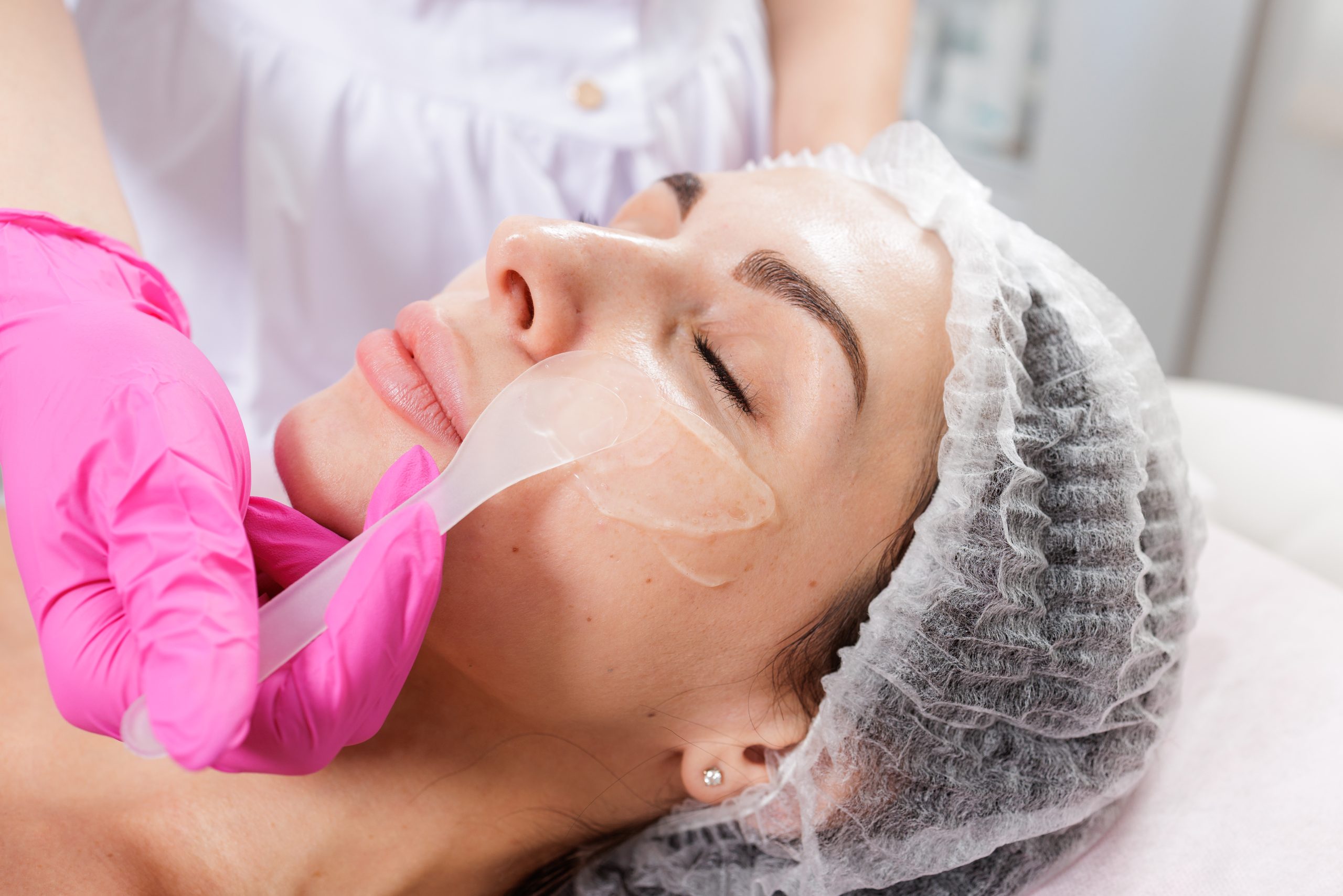
Chemical peels are a good example. Lighter, series-based peels are often far safer and more effective for melanin-rich skin than a single aggressive peel session. The VI Peel, which we offer at Wake Skincare, is specifically formulated to address hyperpigmentation and is well-tolerated across a range of skin tones when applied correctly. The key word is “correctly” — which means knowing your client’s skin type, their PIH history, and how their skin has responded to treatments in the past.
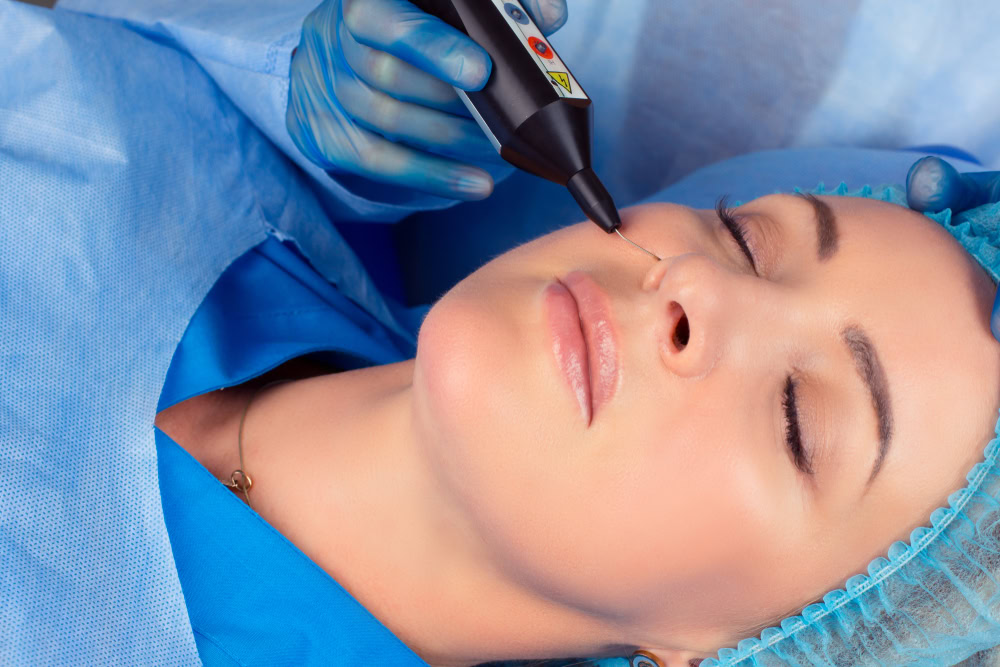
IPL, or Intense Pulsed Light, is another treatment that requires careful calibration for skin of color. With the right settings and an experienced provider, IPL can significantly reduce the appearance of dark spots and uneven tone. With the wrong settings, it can worsen pigmentation. Jacqueline has performed IPL on clients across Wake County with excellent results — and the reviews reflect that. One client described her skin after IPL as “the best it’s ever been,” with her husband noticing the difference without being told.
Microneedling with SkinPen is generally well-tolerated across Fitzpatrick types and can stimulate collagen production without the same risk of triggering PIH that heat-based treatments carry. HydraFacial is another strong option — particularly the customized versions with brightening boosters like Britenol, which are specifically designed to address pigmentation concerns. As a HydraFacial Master Certified provider — among the first 100 practitioners in the world to reach that level — Jacqueline has deep experience customizing these treatments for skin of color clients across Wake County and beyond.
Common Myths About Skin of Color That Are Worth Clearing Up
A lot of misinformation circulates about skin of color — on social media, in generic skincare content, and sometimes from providers who simply haven’t specialized in this area. A 2025 NIH study found significant misinformation about hyperpigmentation in skin of color on TikTok alone. Let’s address a few of the most persistent myths directly.
The first is that darker skin doesn’t need sunscreen. Melanin does provide some natural UV protection — research shows that dark skin transmits only about 7.4% of UVB rays compared to 29.4% in lightly pigmented skin, and the natural SPF of Black skin is approximately 13.4 compared to 3.4 for lighter skin. But that protection is not sufficient to prevent photodamage, and it does nothing to prevent the UV-triggered melanin response that worsens hyperpigmentation. Daily SPF is non-negotiable for any skin of color client undergoing treatment for dark spots.
The second myth is that lasers can’t be used on dark skin. This one is partially true — the wrong laser, at the wrong settings, absolutely can cause harm. But it’s not a blanket rule. With the right device, the right energy levels, and a provider who understands how to adapt protocols for Fitzpatrick IV–VI skin, laser treatments can be both safe and effective. The distinction isn’t the technology — it’s the expertise of the person operating it.
Third is the belief that hyperpigmentation will fade on its own if you just wait it out. For mild PIH, that’s sometimes true. But for chronic hyperpigmentation, melasma, or deep post-inflammatory marks, waiting without treatment often allows the pigmentation to deepen rather than fade. Professional intervention — done correctly and in the right sequence — is almost always more effective than patience alone.
Finally, there’s the assumption that any licensed esthetician can treat skin of color effectively. Licensure is a baseline, not a guarantee of specialized knowledge. Skin of color is significantly underrepresented in standard esthetics training programs. Jacqueline Grace’s credentials — including her Skin Games wins in pigmentation specifically, her New York training background, and the medical director oversight provided by Dr. Joseph Hummel — reflect a level of investment in this specialty that goes well beyond what a general cosmetology or esthetics license requires.
Finding the Right Skin of Color Specialist in Wake County
Skin of color deserves more than a provider who figures it out as they go. It deserves someone who has studied it, competed in it, and built an entire practice around getting it right.
If you’ve been searching for that kind of care in Wake County — whether you’re in Wake Forest, Raleigh, Rolesville, or anywhere in between — we’re here to help. We offer a free consultation and skin evaluation for every new client. No pressure, no commitment — just an honest look at your skin and a plan that’s built around what it actually needs.
If you’re ready to stop guessing and start seeing real progress, reach out to Wake Skincare and book your free evaluation today.