Summary:
North Carolina summers are rough on skin. The heat, the humidity, the UV exposure — by the time September rolls around, most people in Wake County are dealing with some version of the same thing: dullness, uneven tone, dark spots that weren’t there in May, or skin that just feels congested and tired. The good news is that fall is genuinely the best time to do something about it. Cooler temperatures, lower UV levels, and slower weekends make this the season when corrective treatments work hardest. This guide covers what to book, why timing matters, and what separates a facial that actually changes your skin from one that just feels nice.
Why Fall Is the Right Time to Book a Facial Treatment
Most people think of spring as the season for a skin reset. In reality, fall is when professional facial treatments deliver their best results — and there’s a straightforward reason for it. Advanced treatments like chemical peels, microneedling, and corrective facials require your skin to heal without significant UV exposure. Summer makes that nearly impossible. Fall removes that obstacle.
Beyond the healing conditions, fall also gives your skin something it genuinely needs after a North Carolina summer: repair. Months of sun exposure accumulate in ways that don’t always show up immediately. By September, that accumulation starts surfacing as hyperpigmentation, dehydration, and a general flatness to the skin’s tone and texture. A well-timed fall facial doesn’t just maintain your skin — it corrects the season that just ended.
Best Facial for Sun-Damaged Skin
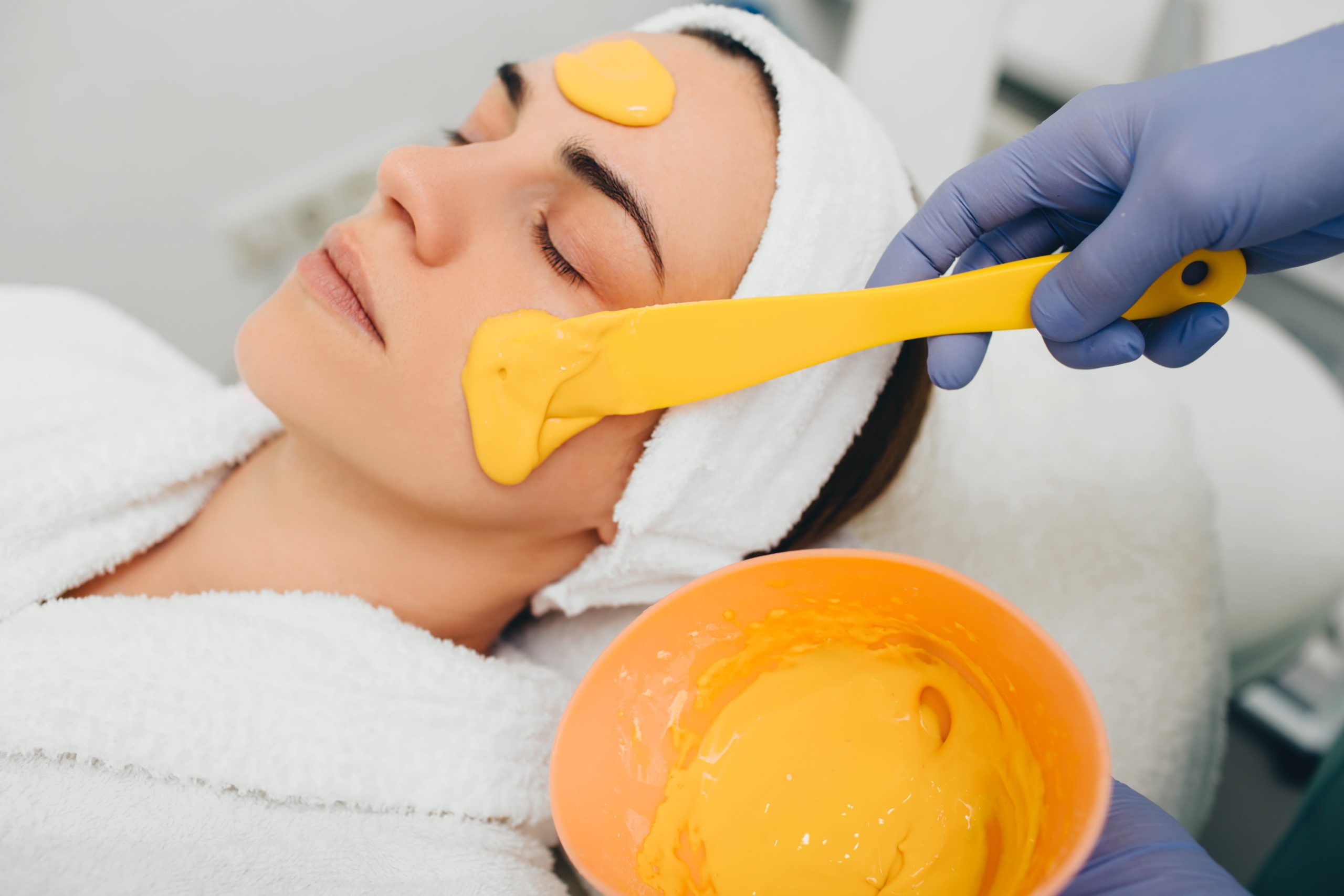
If your main concern coming out of summer is uneven tone, dark spots, or dullness, the treatment you need is one that addresses pigmentation at the source — not just on the surface. A HydraFacial is one of the most effective starting points because it simultaneously cleanses, exfoliates, extracts, and hydrates in a single session, with no downtime. For Wake County residents who can’t afford to look red or irritated for days after a treatment, that matters. You can come in on a Thursday and be back to your normal routine by Friday.
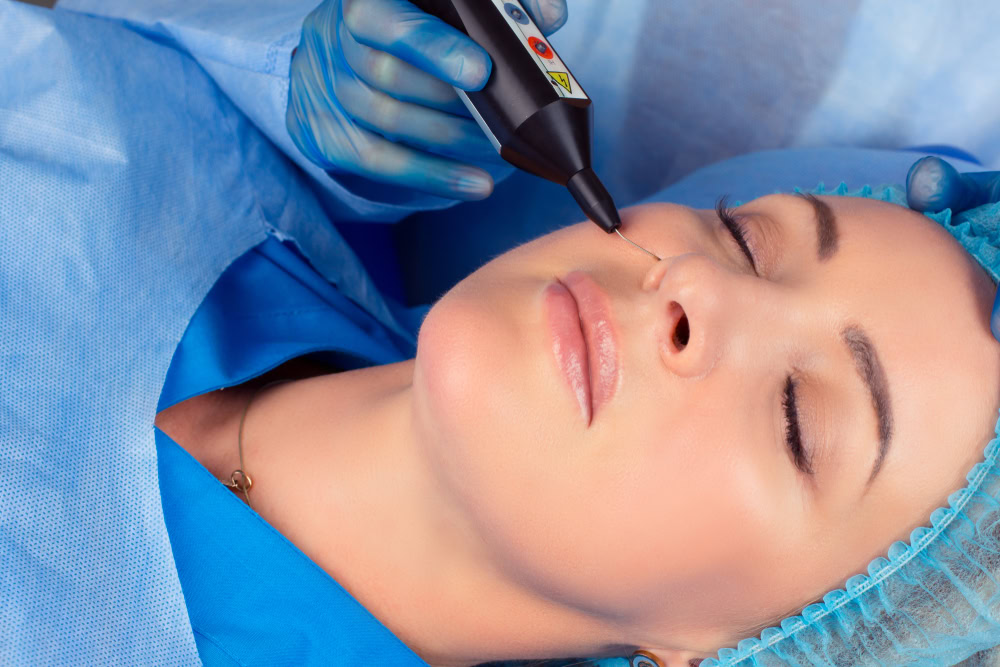
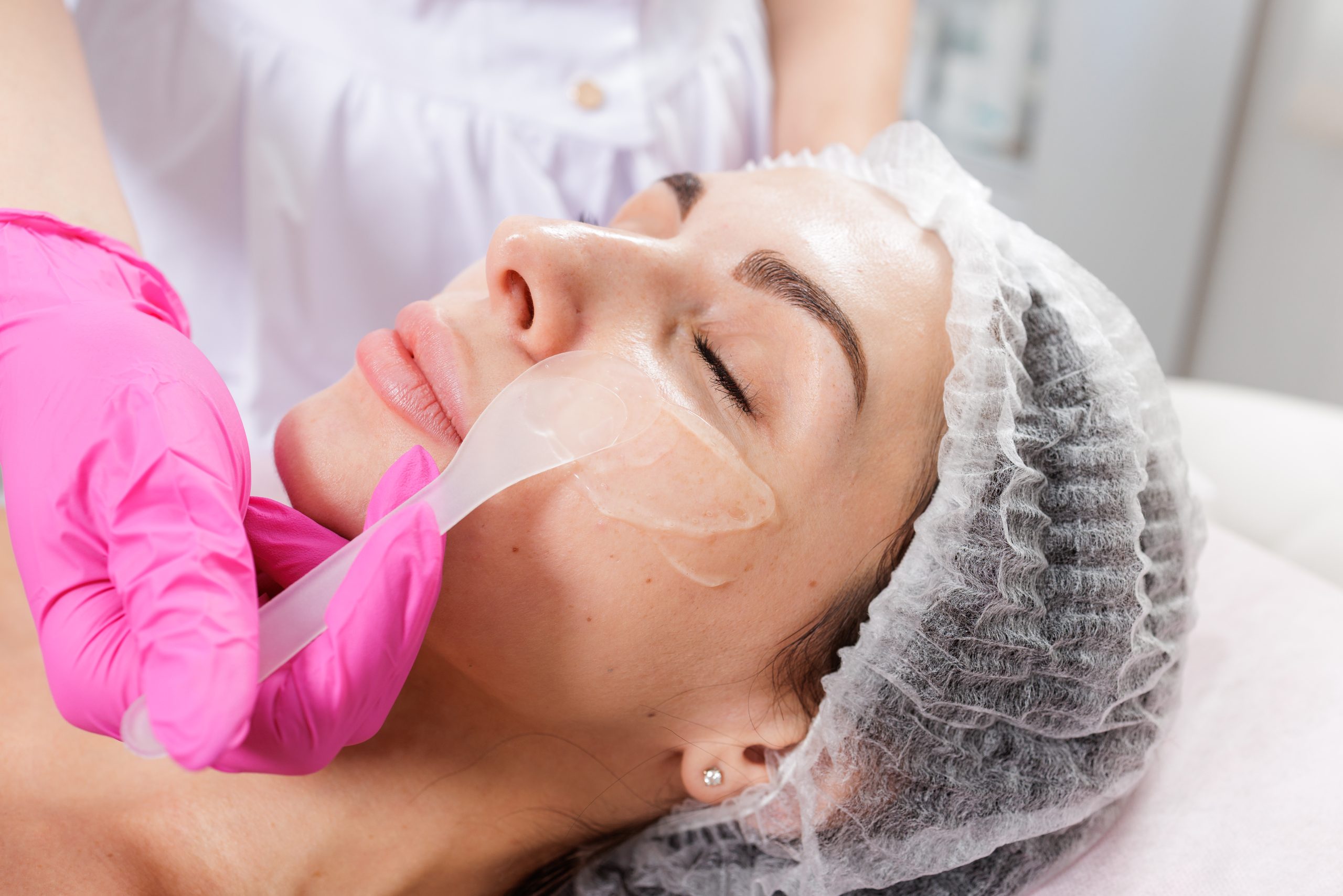
For more stubborn pigmentation — the kind that’s been building over multiple summers — a chemical peel or a treatment like Clear & Brilliant may be more appropriate. These go deeper than a standard facial and produce more significant resurfacing results, but they do require a few days of keeping your skin protected and calm. Fall is the ideal window for both, because cooler temperatures mean less sweating, less outdoor time, and far lower UV exposure during the healing period.
What doesn’t work is a one-size-fits-all approach. If you have skin of color, that matters even more. Hyperpigmentation in deeper skin tones requires a practitioner who understands exactly how much exfoliation is appropriate, which acids are safe, and how to avoid triggering post-inflammatory marks from the treatment itself. This is a specific skill — not every esthetician has it, and the consequences of getting it wrong are real. Our founder, Jacqueline Grace, placed first in the Pigmentation Artist of the Year category at The Skin Games, an international aesthetics competition. That credential isn’t a marketing line — it’s the result of competing against other professionals globally and winning. It means something specific about what she’s capable of when it comes to treating pigmentation, especially in clients with darker skin tones.
What Makes a Facial Spa Worth Your Time in Wake Forest
Wake Forest has grown fast — from just over 12,000 residents in 2000 to nearly 48,000 by 2020 — and the local wellness market has grown with it. There are more options now than there were five years ago, which sounds like a good thing until you realize that “licensed esthetician” covers an enormous range of actual skill and training. The state minimum in North Carolina is 600 hours of coursework. That’s the floor. What a practitioner does beyond that — the certifications they pursue, the competitions they enter, the continuing education they invest in — is what separates a genuinely skilled provider from someone who meets the legal requirement and stops there.
When you’re evaluating a facial spa, the most important thing you can ask is whether they start with a consultation. Not a quick intake form — an actual skin evaluation where someone looks at your skin, asks about your concerns, and recommends a treatment based on what they observe. Any provider worth your time will insist on this before touching your face. At Wake Skincare, every new client receives a free skin evaluation and consultation before any treatment begins. It’s not a sales conversation. It’s a clinical assessment, and it’s how we make sure the treatment we recommend is actually right for your skin on that particular day.
The other thing worth noting is the difference between a boutique practice and a franchise location. Franchise spas offer standardized menus and standardized protocols — by design. That consistency is their model. What it can’t offer is real-time customization based on how your skin is responding during the treatment itself. A skilled independent esthetician adapts. We notice when your skin is more reactive than expected and adjust accordingly. That responsiveness is part of what makes a treatment genuinely effective rather than just pleasant.
Building a Fall Skin Care Routine Around Professional Treatments
A professional facial isn’t a substitute for an at-home routine — it’s what makes your at-home routine work better. After a corrective treatment, your skin is more receptive to the products you apply daily. The exfoliation and extraction that happen during a professional facial clear the way for serums and moisturizers to actually penetrate rather than sit on top of a layer of buildup.
We generally recommend professional facials every four to six weeks for ongoing skin health. That cadence aligns well with the skin’s natural renewal cycle, and it means a fall series of treatments — starting in September or October — can produce meaningful, visible results well before the holidays. For Wake County residents who have a family gathering, work event, or holiday portrait session on the calendar, that timeline is worth thinking about now rather than in December.
How to Choose the Right Facial Treatment for Your Skin Type
The most common question we hear is some version of: “There are so many options — how do I know which one is right for me?” It’s a fair question, and the honest answer is that it depends on factors a consultation reveals, not a menu description.
If your skin is dehydrated and dull but not particularly reactive, a HydraFacial is often the right entry point. It’s thorough, it’s gentle enough for most skin types, and the results are immediate — your skin looks noticeably different the same day. If you’re dealing with texture issues, enlarged pores, or fine lines, treatments like dermaplaning or diamond-tip microdermabrasion accelerate the exfoliation process and create a smoother surface for everything that follows.
If the concern is deeper — acne scarring, significant hyperpigmentation, or early signs of aging — SkinPen microneedling or a chemical peel will go further than a surface-level treatment can. The important thing is that these aren’t interchangeable. Using the wrong treatment for your skin type doesn’t just produce underwhelming results — in some cases, it can make things worse. This is especially true for acne-prone skin and skin of color, where the wrong approach can trigger breakouts or worsen pigmentation rather than correct it.
A qualified esthetician won’t just hand you a menu and ask what sounds good. We’ll look at your skin, ask the right questions, and tell you what will actually work. That’s what the consultation is for, and it’s why we offer it at no cost to every new client.
FAQs About Getting Facials in Wake County, NC
**How often should I get a facial?** For most people, once every four to six weeks is the sweet spot. That’s roughly aligned with your skin’s natural renewal cycle, so you’re not waiting so long that buildup accumulates between visits, but you’re also giving your skin time to respond to each treatment before the next one. If you’re working through a specific concern — active hyperpigmentation, acne scarring, or significant sun damage from a North Carolina summer — we may recommend a more intensive schedule to start, then space treatments out as your skin improves.
**Is fall really the best time for a chemical peel or microneedling?** Yes. After a peel or a microneedling session, your skin needs to heal without UV exposure. In Wake County, that means avoiding the kind of sun you’d encounter during a typical summer day in North Carolina. Fall brings lower UV levels, cooler temperatures, and less outdoor activity, all of which make the healing window much more manageable. Booking a series of treatments now also means your skin will have fully responded — and be looking its best — by the time the holiday season arrives.
**What should I look for in an esthetician in Wake Forest?** Beyond the state licensing requirement, look for specific credentials: named certifications, competition placements, and continuing education that goes beyond the minimum. Ask whether they offer a consultation before treatment. Ask what products they use and why. A good esthetician can answer all of those questions clearly and without pressure. Our founder, Jacqueline Grace, has been named Best Esthetician in Wake County three consecutive years running, holds a Master-level HydraFacial certification — placing her among the first 100 practitioners in the world to reach that level — and placed first internationally in the Pigmentation Artist of the Year category at The Skin Games. Those are credentials you can look up. They reflect real, verified expertise in a field where the gap between minimum-qualified and genuinely skilled is wider than most people realize.
**Will a facial help with hyperpigmentation?** It can, significantly — but only if the practitioner knows how to treat it correctly. Hyperpigmentation, particularly in skin of color, requires a nuanced approach. The wrong acids, the wrong depth of exfoliation, or the wrong post-treatment care can worsen pigmentation rather than improve it. When it’s done right, a targeted series of treatments — combining the right facial type with appropriate corrective products — can produce dramatic results. We’ve had clients describe their hyperpigmentation as “completely gone” after a treatment series. That outcome is real, but it depends entirely on the skill and experience of the person treating you.
Ready to Book a Fall Facial in Wake Forest, NC? Here's Where to Start
Fall is a short window. The conditions that make corrective treatments most effective — lower UV exposure, cooler healing conditions, enough lead time before the holidays — don’t last indefinitely. If your skin is carrying the weight of a North Carolina summer, this is the season to do something about it.
The most useful first step isn’t choosing a treatment off a menu. It’s having someone who actually knows skin look at yours and tell you what it needs. That’s exactly what the free consultation at Wake Skincare is designed to do — no pressure, no guesswork, just a clear picture of where your skin is and what will move it in the right direction.
If you’re in Wake County and you’re ready to see what a genuinely skilled, award-winning esthetician can do for your skin this fall, we’re here to help.