Summary:
If you’ve been dealing with acne scars that won’t fade, fine lines that seem to deepen every year, or skin texture that no cream or serum can smooth out, you’re not alone. These concerns are frustrating, especially when you’ve already tried what feels like everything. Microneedling offers a different approach—one that works with your skin’s natural ability to heal and regenerate, not against it. This treatment has gained attention because it delivers visible improvements without surgery, extended recovery, or the risks that come with heat-based procedures. You’ll walk away from this guide understanding how microneedling actually works, what happens during and after treatment, who makes a good candidate, and what kind of results you can realistically expect in the Wake Forest, Louisburg, and surrounding North Carolina areas.
What Is Microneedling and How Does It Work
Microneedling is a minimally invasive skin treatment that uses fine, sterile needles to create controlled micro-injuries in the skin’s surface. These tiny punctures—so small you can barely see them—trigger your body’s natural wound-healing process. Your skin responds by flooding the treated area with growth factors, collagen, and elastin, the proteins responsible for keeping skin firm, smooth, and resilient.
The procedure is also called collagen induction therapy because that’s exactly what it does: it induces your skin to produce fresh collagen. Over time, this new collagen helps fill in depressed scars, plump fine lines, tighten loose skin, and improve overall texture and tone. The beauty of microneedling is that it works beneath the surface without damaging the outer layer of skin the way lasers or chemical peels do, which means faster healing and less risk of pigmentation issues.
How Microneedling Stimulates Collagen and Elastin Production
When the SkinPen device creates those micro-channels in your skin, your body doesn’t see them as cosmetic enhancements. It sees them as injuries that need repair. That’s when the magic happens. Your immune system kicks into gear, sending platelets and white blood cells to the area to clean and protect it. This is the inflammation phase, and it typically lasts 2-3 days. You’ll notice redness and warmth during this time, similar to a mild sunburn.
Next comes the proliferation phase, where your skin starts growing new cells and forming fresh collagen beneath the surface. This phase can last several weeks. You might notice your skin looking brighter and feeling smoother as old, damaged skin cells are replaced with healthier ones. Some people experience mild peeling or flaking during this time, which is completely normal and a sign that your skin is renewing itself from the inside out.
The final phase is remodeling, and this is where the real transformation happens. For 3-6 months after your treatment, your skin continues producing new collagen and reorganizing the fibers that were laid down during healing. This is why microneedling results improve over time rather than appearing all at once. Clinical studies have shown that microneedling can increase collagen and elastin deposition by up to 400% when done in a series of sessions. That kind of internal restructuring creates changes you can see and feel—smoother texture, reduced scar depth, smaller-looking pores, and firmer skin.
The depth of the needles matters, too. Professional devices like SkinPen can adjust from 0.5mm to 2.5mm depending on what you’re treating and where on your face or body. Shallow depths work well for enhancing product absorption and achieving a surface-level glow. Deeper penetration is needed for acne scars or significant wrinkles because it reaches the dermis, the deeper layer of skin where collagen actually lives. At-home rollers typically only go 0.25mm deep, which barely scratches the surface. That’s why they can’t deliver the same transformative results as professional microneedling treatments performed by trained estheticians.
What Skin Concerns Can Microneedling Treat Effectively
Microneedling isn’t a one-trick procedure. It’s versatile enough to tackle multiple skin issues at once, which is one reason it’s become so popular across Wake County, Franklin County, and Granville County. If you’re dealing with acne scars—especially the rolling or boxcar types that create uneven texture—microneedling can help break down old scar tissue and encourage your skin to fill in those depressions with new collagen. It won’t work as well on deep, narrow ice-pick scars, but for broader scarring, the results can be significant after a series of treatments.
Fine lines and wrinkles respond well to microneedling because the treatment stimulates the production of collagen and elastin, which naturally decline as we age. You won’t see Botox-level wrinkle erasure overnight, but you will notice smoother skin, especially around the eyes, forehead, and mouth. The improvements develop gradually as your skin rebuilds its structural support from within. Some people use microneedling as a way to delay or extend the results of more invasive procedures like facelifts, or as a complementary treatment to injectables.
Enlarged pores are another common concern, particularly for people in their 30s and beyond. While you can’t actually shrink pores permanently, microneedling can make them appear smaller by thickening the skin around them and improving overall texture. The treatment also addresses hyperpigmentation, sun damage, and uneven skin tone because it promotes cell turnover and helps fade dark spots over time. Stretch marks, surgical scars, and even certain types of hair loss have shown improvement with microneedling, especially when combined with topical treatments like platelet-rich plasma (PRP) or hyaluronic acid serums that penetrate deeper through the micro-channels.
One of the biggest advantages of microneedling is that it’s safe for all skin types, including darker skin tones that are often underserved by traditional aesthetic treatments. Treatments that use heat—like certain lasers and IPL—can cause post-inflammatory hyperpigmentation in people with more melanin. Microneedling doesn’t use heat or light energy, so it carries a much lower risk of causing pigmentation problems. That makes it an ideal option for people who’ve been told they’re not good candidates for other resurfacing treatments. The FDA has cleared SkinPen for use on all Fitzpatrick skin types, from the fairest to the darkest, giving more people access to effective skin rejuvenation.
What Happens During a Professional Microneedling Treatment
Walking into your first microneedling appointment can feel a little nerve-wracking, especially if you’re not sure what to expect. The good news is that the process is straightforward, and most people find it much more comfortable than they anticipated. Your appointment will likely start with a consultation where we assess your skin, discuss your concerns and goals, and determine whether microneedling is the right fit for you. If you have active acne, open wounds, or certain skin conditions like eczema or psoriasis, we may recommend waiting or trying a different treatment first.
Once you’re cleared for treatment, your skin will be thoroughly cleansed to remove any makeup, oil, or debris. Clean skin is essential for preventing infection and ensuring the treatment works effectively. Then, a topical numbing cream is applied to the treatment area. This usually sits on your skin for 30-45 minutes to ensure you’re comfortable during the procedure. While the cream is working, you can relax, ask questions, or just take a few minutes to yourself.
Step by Step What to Expect During Your Microneedling Session
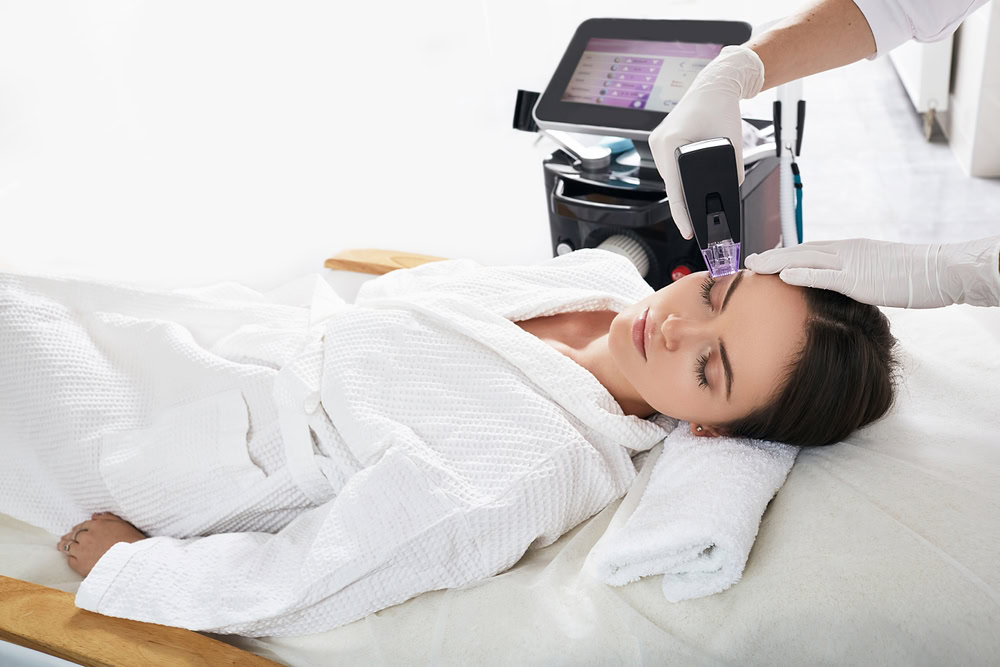
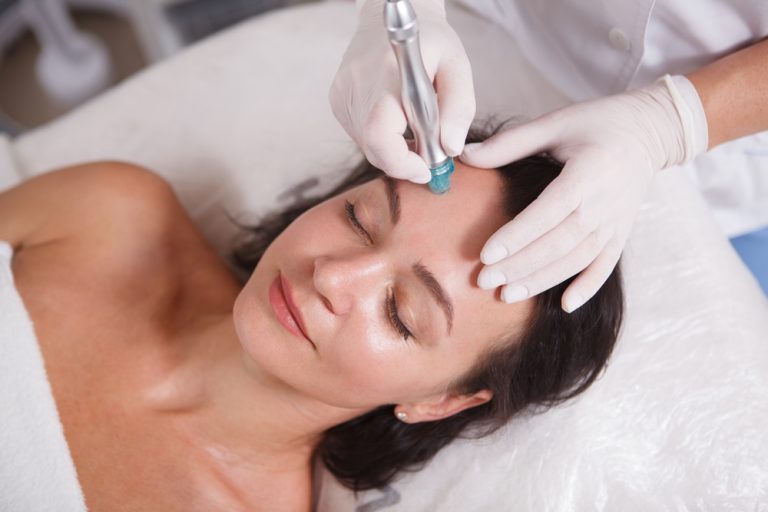
After the numbing cream has done its job, we’ll wipe it off and get started with the microneedling device. If you’re getting SkinPen treatment—the first and only FDA-cleared microneedling device—you’ll see a small, pen-shaped tool with a sterile, disposable needle cartridge. We’ll glide the device across your skin in smooth, controlled passes—vertically, horizontally, and diagonally—to ensure even coverage across the treatment area. The needles move up and down rapidly at about 7,000 RPM, creating thousands of micro-channels per second. You might feel light pressure, a buzzing sensation, or mild scratching, but it shouldn’t be painful thanks to the numbing cream doing its work.
The treatment itself usually takes about 15-30 minutes, depending on the size of the area being treated. A full face is typically done in that timeframe, while smaller areas like just the cheeks or forehead take even less time. Some areas, like around the nose or near the orbital rim of the eyes, might feel slightly more sensitive, but we’ll adjust the technique and needle depth to keep you comfortable throughout. You may notice some pinpoint bleeding during the procedure, which is completely normal and actually a sign that the treatment is working. That slight bleeding shows that the needles have reached the right depth to stimulate collagen production in the dermis.
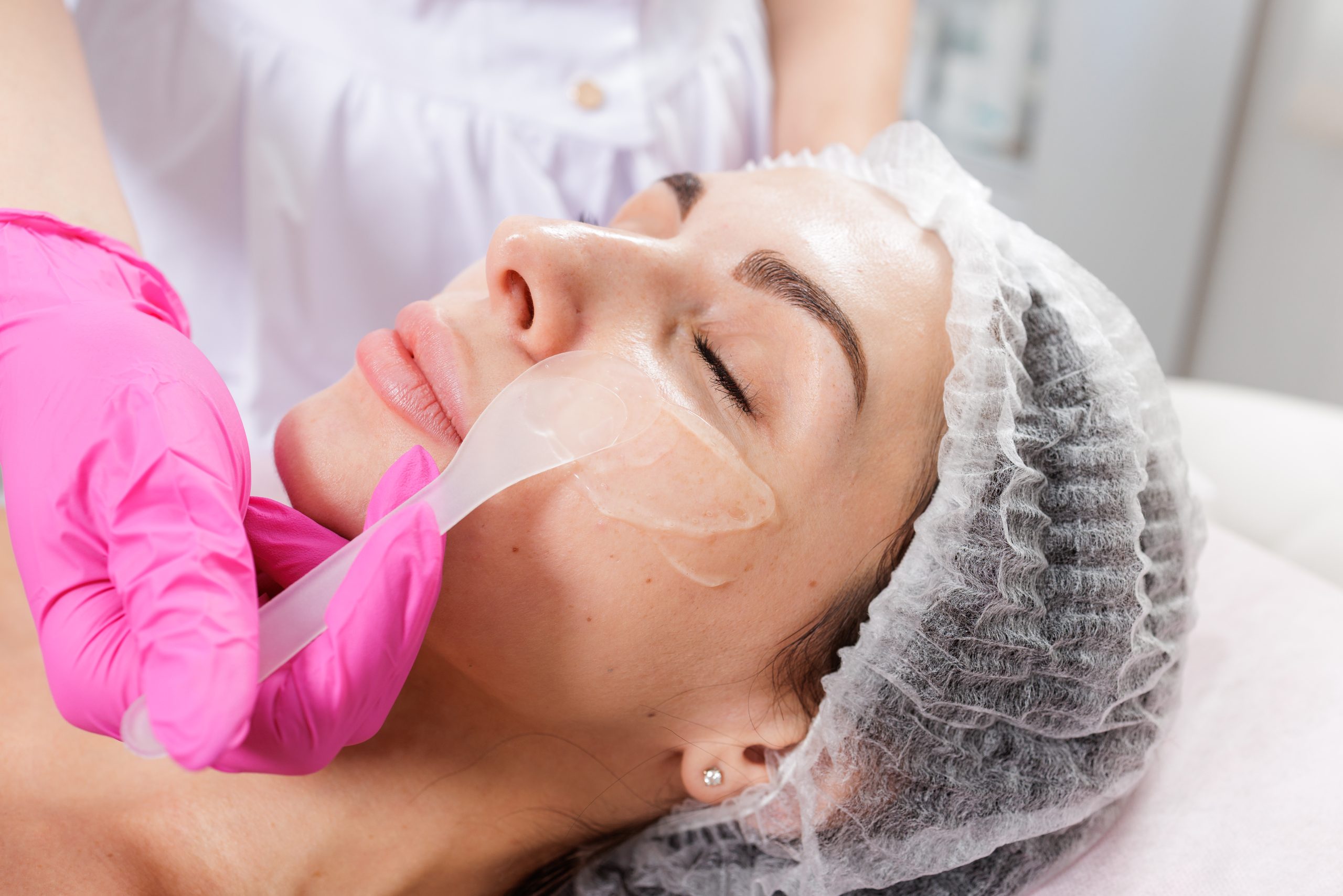
Once the microneedling is complete, we’ll apply a soothing serum or cooling mask to calm your skin and support the healing process. This is also when we might layer on specialized products like hyaluronic acid, peptides, or growth factors. Because your skin has all those fresh micro-channels, it can absorb these ingredients much more effectively than it would under normal circumstances—some studies suggest absorption can increase by several hundred percent. We offer add-ons like PRP (platelet-rich plasma), which involves drawing a small amount of your blood, spinning it in a centrifuge to concentrate the platelets and growth factors, and then applying it to your skin during or after microneedling. PRP can enhance collagen production even further and may speed up healing, though it does add to the cost and isn’t necessary for everyone to see good results.
Before you leave, we’ll give you detailed aftercare instructions. Your skin will likely look red and feel warm, similar to a mild sunburn. That’s expected and usually fades within 24-72 hours depending on the treatment depth and your individual healing response. You’ll be advised to avoid makeup for at least 24 hours to let your skin breathe and heal, stay out of direct sunlight and wear SPF 30 or higher religiously, skip harsh skincare products like retinol or acids for about a week, and avoid activities that make you sweat heavily for a few days. Swimming pools, hot tubs, saunas, and intense workouts should all be put on hold temporarily. Following these guidelines helps your skin heal properly and maximizes your results while minimizing the risk of complications.
Microneedling Recovery Timeline and Realistic Downtime Expectations
One of the biggest selling points of microneedling is the minimal downtime compared to more aggressive treatments like CO2 laser resurfacing or deep chemical peels. That said, “minimal” doesn’t mean zero. Your skin has just been through a controlled injury, and it needs time to heal properly. Understanding what’s normal during recovery can help you plan accordingly and avoid unnecessary worry about whether something’s wrong.
Day one is usually the most noticeable. Your skin will be red, possibly swollen, and might feel tight or sensitive to the touch. Think of it as the equivalent of spending a little too much time in the sun without adequate protection. Some people also experience mild bruising, especially if the treatment was done at a deeper setting or on thinner skin areas like under the eyes or on the neck. This is temporary and part of the inflammatory phase of healing. Applying a cool compress and keeping your head elevated can help reduce swelling. By day two or three, the redness starts to fade, though you might still look a bit flushed or pink. This is when some people notice light flaking or peeling as the outer layer of skin begins to shed and reveal the fresh, healthy skin underneath. Don’t pick at it—let it come off naturally.
By day five to seven, most people are back to normal. Your skin might still be slightly sensitive, but the visible redness and peeling should be gone or nearly gone. You can usually return to your regular skincare routine at this point, though it’s still smart to avoid anything too harsh or irritating like strong acids or retinoids. Sun protection is absolutely critical during this time and beyond because your skin is more vulnerable to UV damage while it’s healing and rebuilding. Wearing a broad-spectrum SPF 30 or higher every single day—and reapplying as needed—will protect your healing skin and prevent pigmentation issues that could undo all your hard work.
The timeline can vary depending on how deep your treatment was, how your skin tends to heal, and whether you followed aftercare instructions to the letter. Some people bounce back in 24 hours and feel comfortable going back to work or social events the next day. Others prefer to schedule their appointments on a Friday so they have the weekend to recover before facing the world on Monday. Either way, the downtime is significantly shorter than what you’d experience with laser treatments or surgical procedures, and most people find it manageable even with busy schedules. If you have an important event coming up, plan your microneedling session at least 7-10 days in advance to ensure you’re looking your best when the day arrives.
Is Microneedling the Right Choice for Your Skin Goals
Microneedling offers a proven, science-backed way to address common skin concerns without surgery, extended downtime, or the risks associated with heat-based treatments. It works by tapping into your body’s natural ability to heal and regenerate, creating lasting improvements in texture, tone, and overall skin health. Whether you’re dealing with acne scars that have lingered for years, fine lines that are starting to bother you, enlarged pores, hyperpigmentation, or uneven skin that hasn’t responded to topical products alone, microneedling could be the solution you’ve been searching for.
The key is working with a trained, licensed professional who uses FDA-cleared equipment like SkinPen and follows proper sterilization protocols. At-home devices simply can’t deliver the same depth, precision, or results as professional treatments, and they carry risks if not used correctly or kept clean. A personalized consultation allows you to discuss your specific concerns, understand what’s realistic for your skin type and goals, and develop a treatment plan that actually works for you rather than following a one-size-fits-all approach.
If you’re ready to explore how microneedling can transform your skin, we’re here to help at Wake Skincare. With award-winning expertise, medical-grade SkinPen technology, HydraFacial Master Certification, and a commitment to personalized care for every client, we can guide you through every step of the process and help you achieve the healthy, confident skin you deserve. Whether you’re in Wake County, Franklin County, or Granville County, NC, professional microneedling is within reach.