Summary:
If you’ve ever walked away from a chemical peel feeling like nothing changed, you’re not alone — and it probably wasn’t the peel’s fault. It was likely the wrong depth for your specific concern. That’s the part most providers skip over. They tell you which peel you’re getting, but not why that depth, or what it’s actually doing beneath the surface. At Wake Skincare, we close that gap. By the end of this guide, you’ll understand exactly what each level of skin peel treatment does, what it can and can’t address, and what to look for in a provider who will choose correctly for your skin.
Chemical Peeling Treatment: What's Actually Happening to Your Skin
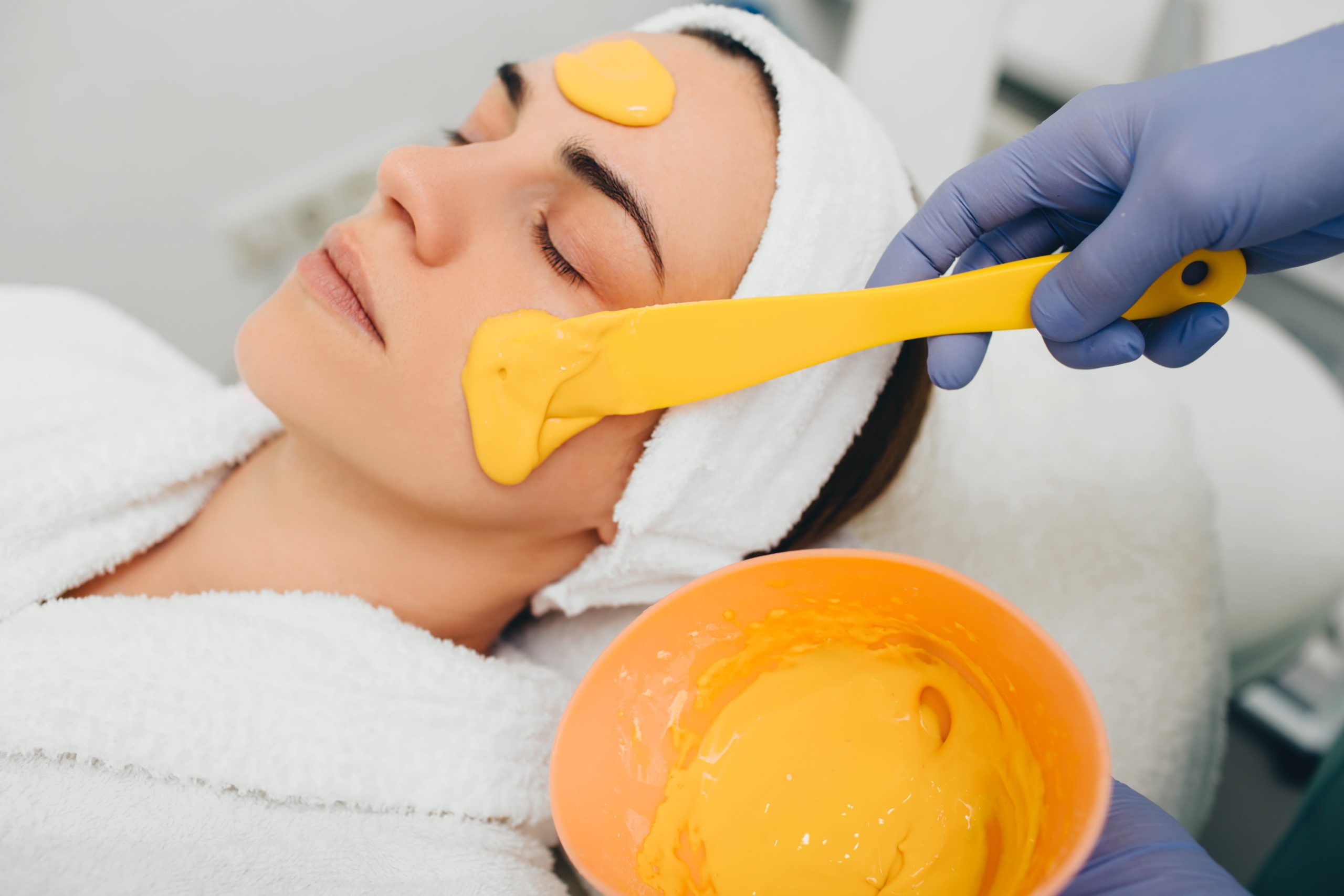
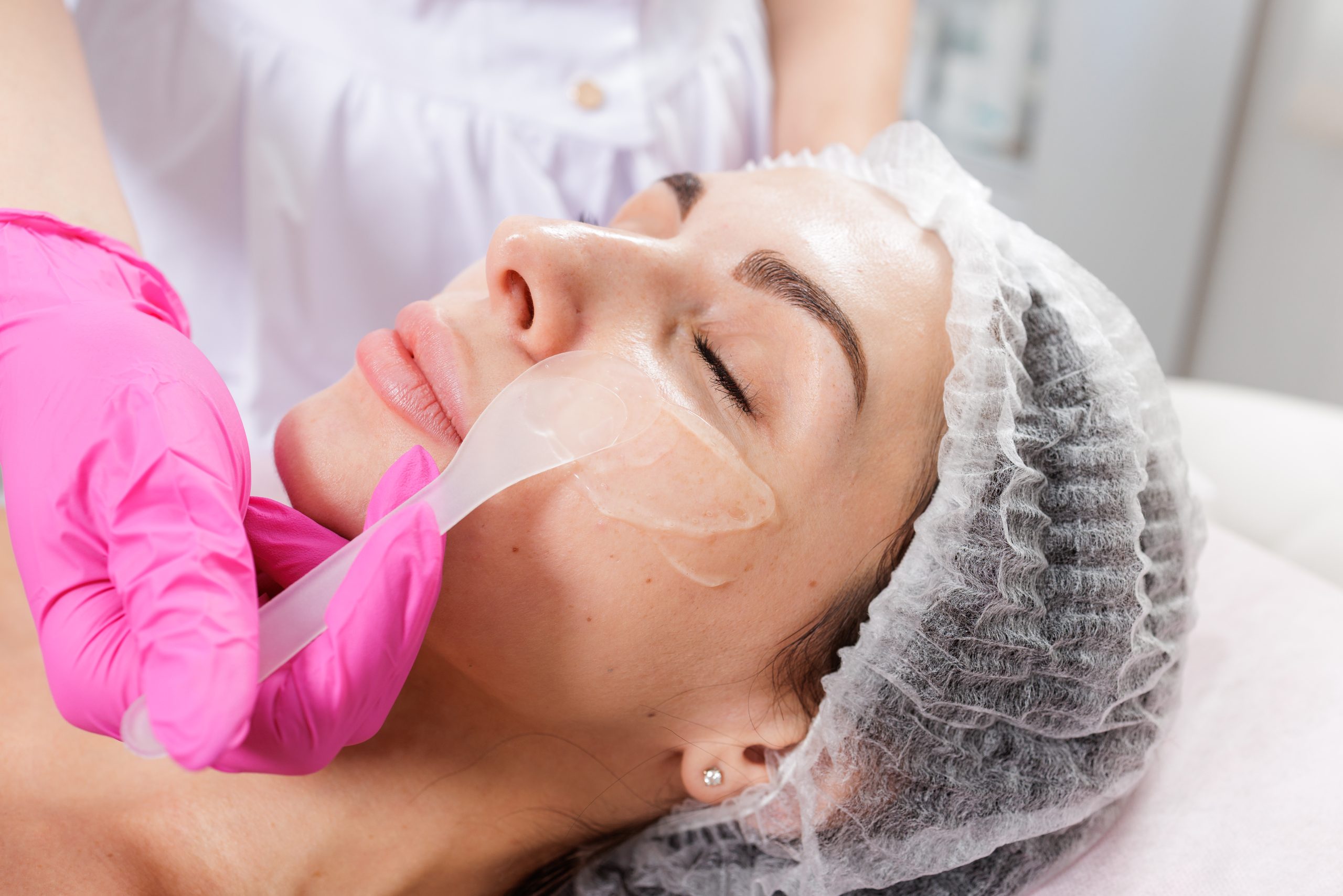
A chemical peel works by applying a carefully formulated acid solution to the skin, which causes controlled exfoliation of the damaged outer layers. As those layers shed, fresher, healthier skin emerges underneath. The key word there is “controlled” — the depth of that exfoliation is what separates a light refresh from a treatment that can genuinely restructure how your skin looks and behaves.
There are three recognized depth categories: superficial, medium, and deep. Each one reaches a different layer of the skin, uses different formulations, and is appropriate for different concerns. Understanding the distinction isn’t just academic — it’s the difference between a treatment that works and one that doesn’t.
What Does a Superficial Peel Actually Do?
Superficial peels work on the outermost layer of the skin — the epidermis. We use mild acids like glycolic acid, salicylic acid, or lactic acid at lower concentrations to gently dissolve the bonds holding dead skin cells together. The result is smoother texture, a brighter overall tone, and a more even surface. Think of it as a deep reset for the top layer of your skin.
Superficial peels excel with mild acne, minor texture irregularities, dullness, and early-stage uneven pigmentation. They’re also the safest option for darker skin tones. Research confirms that glycolic and salicylic acid peels are effective and safe for deeper complexions — Fitzpatrick Types IV through VI — when used at appropriate concentrations. For many of our clients in Wake County, NC with deeper skin tones, this is often the first step after being told elsewhere that chemical peels weren’t an option for them.
The trade-off is that superficial peels are incremental. One session won’t dramatically transform your skin. The standard protocol is a series of four to six treatments, spaced two to four weeks apart, to build cumulative results. There’s minimal to no downtime — most people return to their normal routine immediately — which makes superficial peels a practical option for working professionals who can’t plan around a week of recovery.
Salicylic acid deserves specific mention for anyone dealing with acne. It’s a beta hydroxy acid, which means it’s oil-soluble and can actually penetrate into the pore lining to clear out congestion from the inside. That’s something glycolic acid, which stays on the surface, can’t do. For acne-prone skin, salicylic acid peels aren’t just a general exfoliant — they’re targeted.
When Is a Medium-Depth Peel the Right Call?
Medium-depth peels go further. They reach the papillary dermis — the upper layer of the dermis, just below the epidermis — and they produce more significant structural changes in the skin. This is where treatments for stubborn pigmentation, moderate acne scarring, fine-to-moderate wrinkles, age spots, and sun damage start to become genuinely effective.
We typically use TCA (trichloroacetic acid) at 35%, often applied in sequence after a priming agent like glycolic acid or Jessner’s solution. These sequential protocols — sometimes called the Coleman peel or the Monheit peel depending on the combination — have been used clinically for decades and are well-documented for their outcomes. The sequencing isn’t random; the priming agent allows the TCA to penetrate more evenly and predictably, which is part of what makes the difference between a skilled application and a guesswork one.
One of the most important things to understand about medium-depth peels: they can deliver meaningful results after a single treatment. That’s a significant distinction from superficial peels. The downside is the recovery. Expect skin to flake and peel for approximately a week, with full healing typically complete by two weeks. You’ll need to keep the skin protected and moisturized, avoid sun exposure, and follow post-treatment instructions carefully. For most people, that’s a manageable window — but it does require planning.
Medium-depth peels are also the level where skin of color considerations become critical. The deeper the peel, the greater the risk of post-inflammatory hyperpigmentation (PIH) in clients with darker skin tones. PIH happens when the skin’s inflammatory response triggers melanocytes — the cells that produce pigment — to overproduce melanin, which then deposits as darker patches. It’s a real risk, and it’s also a manageable one when the provider understands Fitzpatrick skin typing, uses the right formulation, and prepares the skin appropriately before treatment. The risk isn’t a reason to avoid medium-depth peels if they’re right for your concern — it’s a reason to be selective about who performs them.
Chemical Peel for Pigmentation: Why Depth Selection Changes Everything
Hyperpigmentation is one of the most common reasons people seek out a skin peel treatment — and one of the most mishandled. The frustration is real: you’ve tried products, maybe even had professional treatments elsewhere, and the dark spots are still there. In many cases, the issue isn’t that peels don’t work for pigmentation. It’s that the wrong depth was chosen for the specific type of pigmentation you have.
Sun spots that sit close to the skin’s surface respond well to superficial peels. Melasma — which originates deeper in the dermis and is triggered by hormones, often worsened by sun exposure — typically requires a more targeted approach. Post-inflammatory hyperpigmentation from acne or prior skin trauma sits somewhere in between. These aren’t interchangeable concerns, and treating them as if they are is exactly why so many people end up disappointed.
Remove Dark Spots on Body: Does Peel Depth Apply Beyond the Face?
Yes — and this is a question more people should be asking. Chemical peels aren’t limited to the face. The neck, chest, hands, arms, shoulders, and back are all areas where we apply peels commonly and effectively. Dark spots on the chest from years of sun exposure, uneven tone on the hands, or hyperpigmentation on the back from old acne — all of these are treatable with the same depth-selection logic that applies to facial treatments.
The skin on the body does behave somewhat differently than facial skin. It tends to be thicker in some areas and thinner in others, and it heals at a different rate. That means the formulation and concentration used on the face isn’t automatically transferred to a body treatment without adjustment. We assess each area individually rather than applying a blanket protocol.
Wake County’s climate is worth factoring in here. The long, hot summers mean most residents are accumulating real UV exposure from spring through early fall — on faces, yes, but also on necks, chests, and arms. By the time fall arrives, that cumulative sun damage is sitting right at the surface. Fall and winter are actually the ideal treatment window for chemical peels, because patients need to avoid significant sun exposure after treatment and use sunblock consistently during the healing period. The milder months in Wake County, NC make that protection much easier to maintain, which is why many of our clients schedule their peel series starting in October and carry through to March.
If you’ve been focused on dark spots on your face but quietly frustrated about uneven tone on your chest or hands, it’s worth raising both in a consultation. The treatment approach may differ slightly, but the underlying principle — choosing the right depth for the specific concern and skin type — is the same.
How Do You Know Which Peel Depth Is Right for Your Skin?
This is the question that matters most, and it’s the one that requires a real answer rather than a general guide. You can read everything there is to read about glycolic acid versus TCA, and you’ll still be working with incomplete information — because you don’t know your own Fitzpatrick skin type classification, the depth of your specific pigmentation, or how your skin has responded to prior trauma or treatments.
The Fitzpatrick Scale is the industry-standard tool for classifying skin based on its response to UV exposure and its tendency to pigment. It runs from Type I (very fair, always burns, never tans) through Type VI (deeply pigmented, never burns). Every qualified provider uses this classification to determine not just which formulation to use, but which depth is safe and appropriate for your skin.
What a proper consultation should include: a thorough skin analysis, a conversation about your specific concerns and history (including any prior treatments and how your skin responded), and a clear explanation of the recommended depth and why. At Wake Skincare, that’s exactly what we do. Jacqueline Grace — who holds first and second place wins in the Pigmentation Artist of the Year category at The Skin Games, an international esthetician competition — performs a personalized skin evaluation before any treatment recommendation is made. That level of assessment isn’t standard everywhere, but it should be.
For clients in Wake County with skin of color, this step is especially important. The consequences of a misjudged depth aren’t just a disappointing result — they can include PIH that’s harder to treat than the original concern. The expertise to navigate that risk is exactly what separates a provider who specializes in pigmentation from one who simply offers peels as a menu item. Our clients’ outcomes reflect this specialization. One longtime client described it plainly: years of microdermabrasion and chemical peels at other providers had produced little to no noticeable effect on her hyperpigmentation — after coming to Wake Skincare, her melasma was completely gone.
That kind of result doesn’t come from a deeper peel. It comes from the right peel, chosen correctly for the right skin.
Finding the Right Skin Peel Treatment in Wake County, NC
The depth of a chemical peel isn’t a minor detail — it’s the variable that determines whether you get real results or walk away wondering what happened. Superficial peels are incremental and safe for all skin types. Medium-depth peels can deliver significant change in a single session but require careful candidate selection. And for any client with skin of color or stubborn pigmentation, the provider’s ability to assess and customize is every bit as important as the treatment itself.
If you’ve been researching skin peel treatments and still aren’t sure which direction makes sense for your skin, we’re here to help. Wake Skincare offers a free skin evaluation — no pressure, no guesswork — where your specific concerns, skin type, and history are assessed before any recommendation is made. Reach out to us to schedule yours.