Summary:
You’ve tried the serums. Maybe a peel or two. The dark spots fade a little, then come right back — or nothing happens at all. It’s frustrating, especially when you’re putting in the effort and not seeing the results.
Here’s the thing most people don’t know: the reason those treatments didn’t work probably has nothing to do with the product or the treatment itself. It has to do with the type of hyperpigmentation you’re dealing with. Different causes require different approaches, and when those don’t match up, you’re essentially guessing.
This guide is here to help you stop guessing and start seeing real results.
Why the Cause of Your Dark Spots Matters More Than the Treatment
When people search for ways to remove dark spots on their face, they usually jump straight to solutions — what cream, what peel, what laser. That’s understandable. But skipping the “why” is exactly where things go sideways.
Dark spots aren’t one condition. They’re a symptom with several different causes, and each cause behaves differently in the skin. Treating them all the same way is like taking the same medication for a headache and a broken arm — it might take the edge off, but it’s not solving the actual problem.
The first step toward real, lasting improvement is identifying what kind of hyperpigmentation you’re actually dealing with.
What Type of Hyperpigmentation Do You Have?
There are four main types of hyperpigmentation that show up most often, and they look similar enough on the surface that it’s easy to confuse them — but they come from very different places.
Sun spots, also called age spots or solar lentigines, are flat tan-to-brown marks that develop from years of UV exposure. They tend to show up on the face, chest, forearms, and hands — areas that have seen the most sun over time. They’re the most common form of hyperpigmentation and the most straightforward to treat, but they don’t go away on their own. Wake County averages well above the national number of sunny days per year, with UV levels running high from May through September. That means sun damage accumulates faster here than in many other parts of the country.
Melasma looks different — larger, irregular patches, usually on the cheeks, forehead, or upper lip. It’s driven by hormonal changes, which is why it’s so common during pregnancy or while on hormonal birth control. UV exposure makes it worse, but sun isn’t the root cause. That distinction matters enormously for treatment, because approaches that work well for sun spots can actually aggravate melasma if the hormonal component isn’t addressed.
Post-inflammatory hyperpigmentation, or PIH, is the dark mark left behind after the skin heals from something — acne, a cut, eczema, even an aggressive facial. The inflammation triggers melanin production as part of the healing response, and the result is a patch of discoloration that lingers long after the original injury is gone. PIH is especially common and often more persistent in medium-to-dark skin tones, where the melanin response tends to be stronger.
Freckles are small, scattered spots that are largely genetic and become more visible with sun exposure. These are the most benign form and often don’t require treatment at all unless the person wants to reduce their appearance.
Knowing which type you have changes everything about how you approach treatment. A provider who skips this step and goes straight to a standard protocol isn’t doing you any favors.
Why Skin of Color Needs a Different Approach to Hyperpigmentation Treatment
If you have medium-to-dark skin and you’ve been hesitant to seek professional treatment for hyperpigmentation, that hesitation is completely understandable — and honestly, it’s well-founded in some cases.
Certain lasers, peels, and even common brightening ingredients can trigger a reaction in darker skin tones that makes hyperpigmentation worse, not better. The risk isn’t that professional treatment doesn’t work for skin of color — it absolutely does. The risk is choosing a provider who doesn’t have specific experience working with your skin type and applies the same approach they’d use on someone with fair skin.
This is a real gap in the Wake County market. Most providers in the area don’t explicitly address skin of color in their treatment protocols, and very few have credentials that speak to it directly. We’ve heard from clients who’ve been burned — sometimes literally — by treatments that weren’t calibrated for their skin.
Fitzpatrick skin types III and IV represent the largest segment of hyperpigmentation patients by volume. That’s medium-to-olive skin tones — a significant portion of Wake County’s diverse, growing population. And yet the treatment gap for this group remains wide.
When a provider understands how melanin behaves differently across skin types, how to adjust laser settings and peel depths accordingly, and how to build a protocol that addresses the root cause without triggering a new inflammatory response — that’s when you start seeing results that actually last. That expertise isn’t common. When you find it, it’s worth paying attention to.
Best Treatment for Pigmentation: Matching the Method to Your Specific Skin
Once you know what you’re dealing with, the question becomes which treatment is actually going to move the needle. The honest answer is that it depends — on the type of pigmentation, the depth of the discoloration, your skin tone, and how your skin has responded to treatment in the past.
Single-modality, one-size-fits-all approaches tend to underperform. The best results for stubborn or complex hyperpigmentation almost always come from combining treatments in a sequence that’s built around your specific skin — not a protocol pulled off a menu.
Which Treatments Actually Work for Hyperpigmentation?
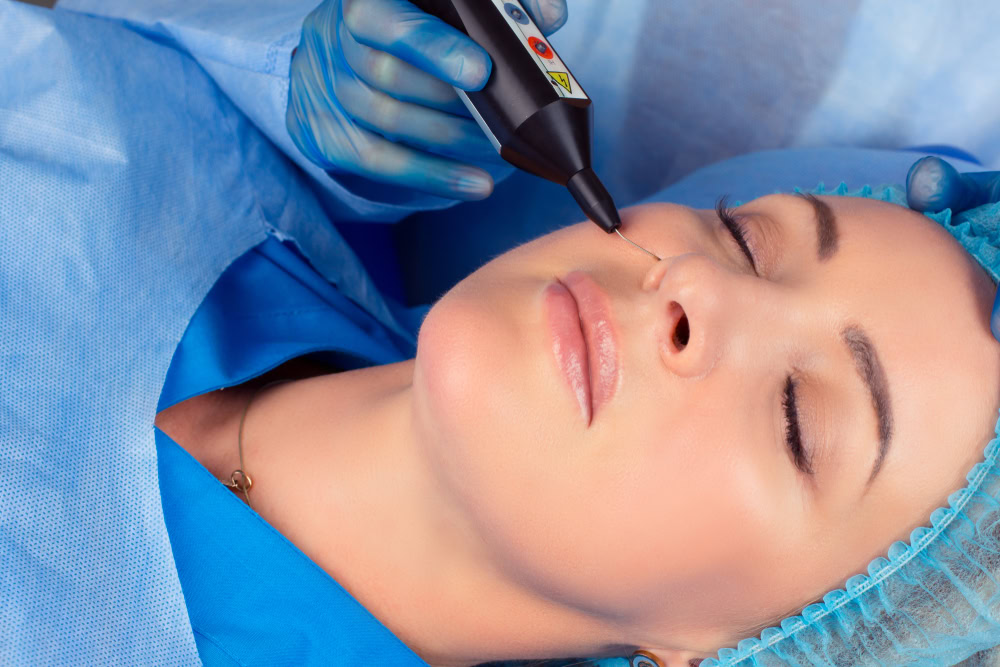
Energy-based therapies — IPL (Intense Pulsed Light) and laser treatments — are the most powerful tools available for addressing established hyperpigmentation, particularly sun damage and age spots. They work by targeting excess melanin in the skin with light energy, breaking up the pigment so the body can clear it naturally. Done correctly, with the right device settings for your skin type, results can be dramatic and visible quickly. Some clients see a noticeable difference after a single session.
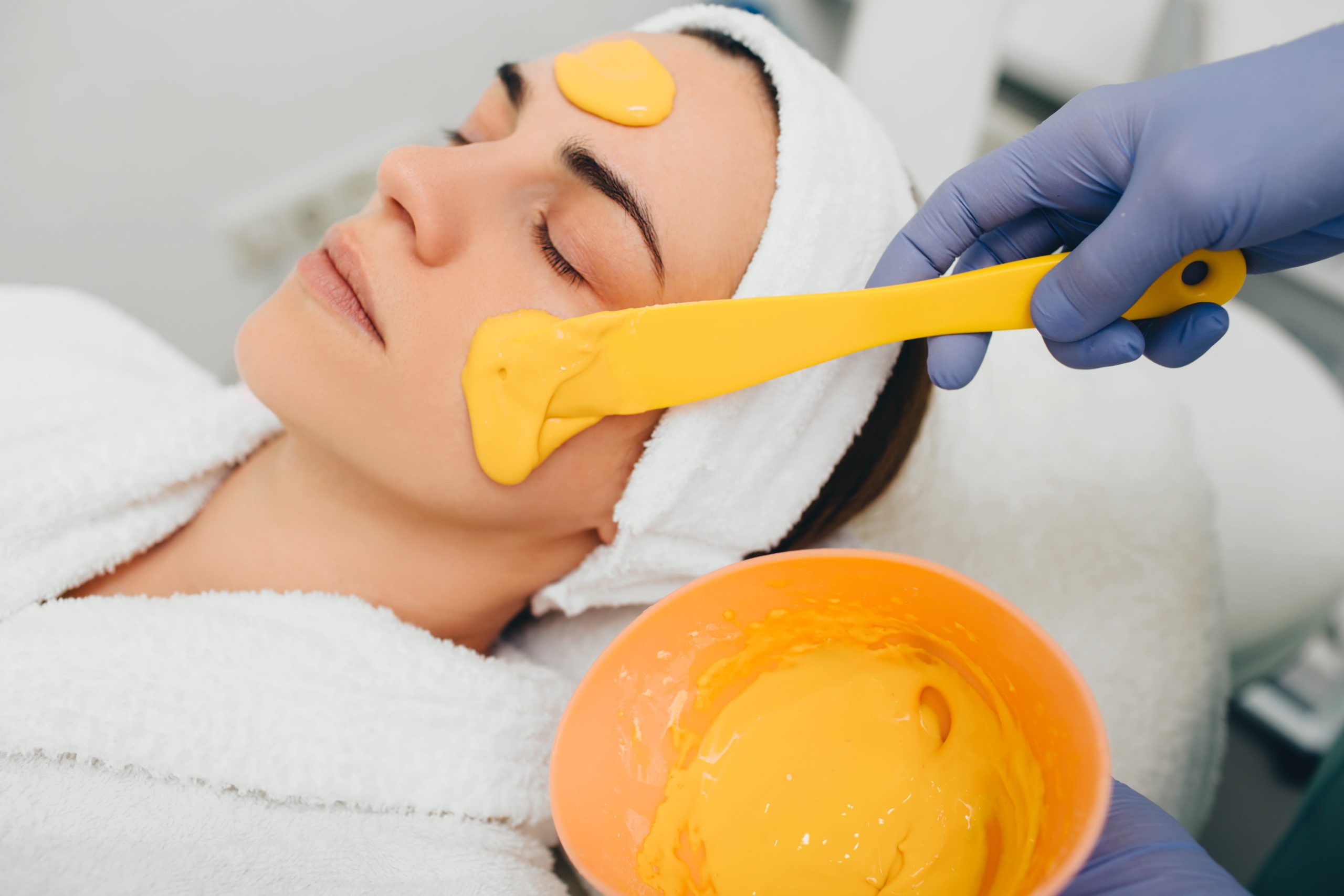
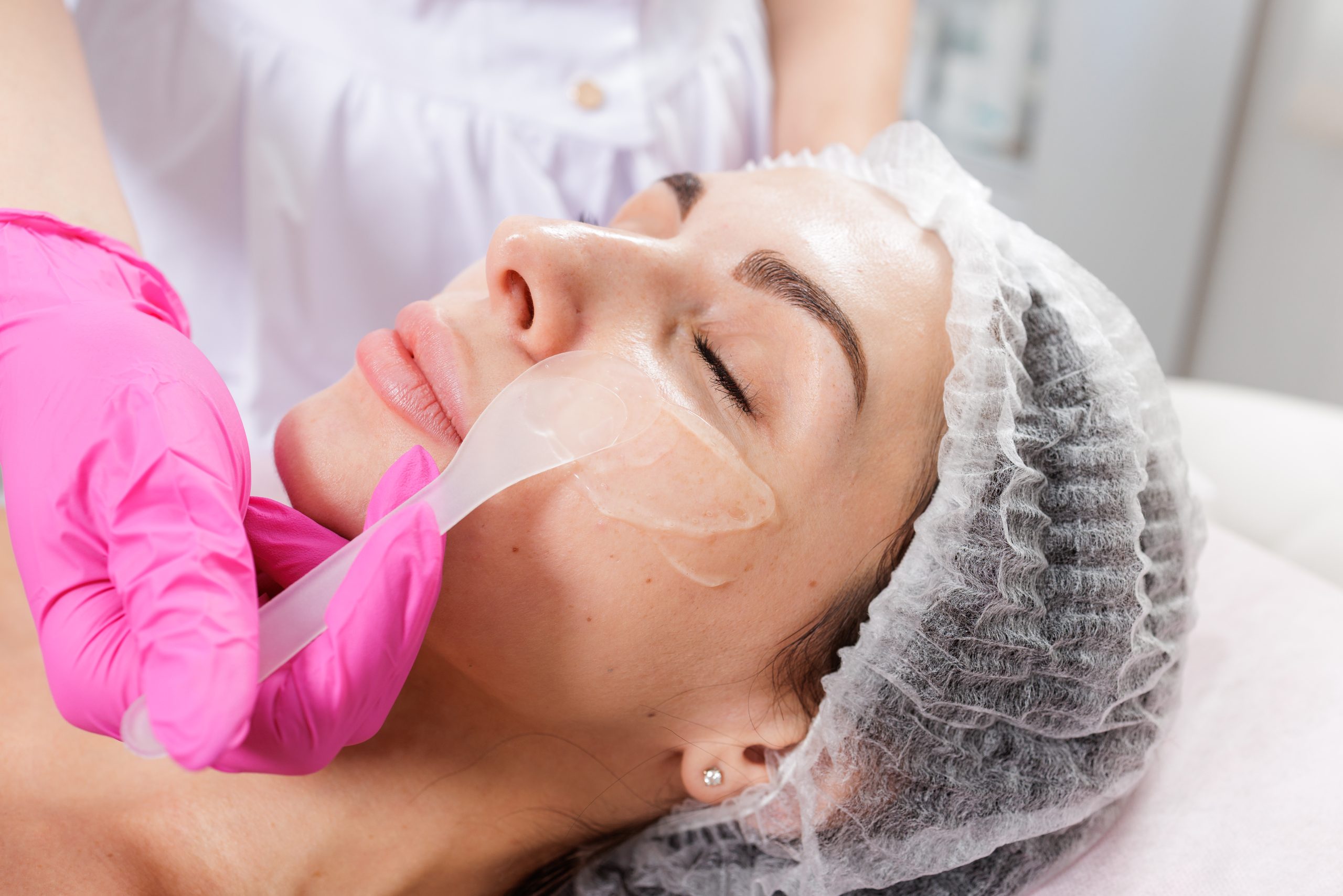
Chemical peels accelerate cell turnover, bringing fresh skin to the surface and reducing the appearance of discoloration over a series of treatments. The VI Peel, for example, is a medical-grade peel that addresses sun damage, uneven tone, and post-inflammatory pigmentation. It’s a different tool than IPL — less targeted, but effective for overall brightening and tone correction, and appropriate for a wider range of skin types when applied correctly.
Microneedling with SkinPen works differently again. It creates controlled micro-injuries in the skin that stimulate collagen production and accelerate the skin’s natural renewal process. For PIH and acne scarring in particular, microneedling can reach layers of the skin that topical products simply can’t access. It’s often combined with other treatments for a more comprehensive result.
HydraFacial isn’t just a hydration treatment. When customized with the right boosters and serums, it can be a meaningful part of a hyperpigmentation protocol — exfoliating surface discoloration, infusing brightening actives, and improving overall skin health in a way that supports the results of deeper treatments. The key word is “customized.” A generic HydraFacial and one built specifically around your pigmentation concerns are not the same thing.
The common thread across all of these is that they work best when they’re selected and sequenced deliberately — not applied in isolation or chosen because they’re popular.
How to Know Which Treatment Is Right for Your Skin
The honest answer is that you probably can’t know on your own. Not because the information isn’t out there, but because the variables involved — your skin tone, the depth and type of your pigmentation, your history with previous treatments, your lifestyle and sun exposure — require someone who can actually look at your skin and ask the right questions.
What we’d caution against is booking a treatment based on what worked for someone else, or what’s trending, or what a provider is pushing as their signature service. Melasma and PIH in particular are conditions where the wrong treatment can set you back significantly. Aggressive peels or certain laser wavelengths on darker skin without proper calibration can cause a new round of post-inflammatory hyperpigmentation on top of the original problem.
A thorough skin evaluation before any treatment isn’t just a nice-to-have — it’s the step that makes everything else work. It’s how you find out whether your spots are primarily UV-driven or hormonally triggered, whether your skin tone puts certain treatments at higher risk, and what a realistic timeline looks like for your specific situation.
Fall and winter are generally the best time to start treatment for hyperpigmentation, since reduced sun exposure during those months lowers the risk of UV interference with your results. For Wake County residents, that window — roughly October through February — is when we see the most meaningful progress with clients who are serious about clearing their skin before spring. Starting a treatment series in fall and maintaining it through winter tends to produce the most lasting results by the time the sun comes back out.
Some conditions, melasma especially, require ongoing maintenance. One treatment series can produce real, visible improvement, but without sun protection and periodic maintenance treatments, the pigmentation can return. A provider who tells you upfront about this isn’t being discouraging — they’re being honest, which is exactly what you want from someone working on your skin.
Finding the Right Skin Hyperpigmentation Treatment in Wake County
Dark spots are common, but they’re not simple — and they’re not something you have to just live with. The difference between treatments that work and treatments that don’t usually comes down to one thing: whether someone took the time to understand what’s actually going on with your skin before recommending anything.
That’s the approach we take at Wake Skincare. Every client starts with a free skin evaluation — no pressure, no upselling, just an honest look at what you’re dealing with and what’s likely to help. Our founder Jacqueline Grace has been recognized as Best Esthetician in Wake County three consecutive years and placed first internationally in Pigmentation Artist of the Year at The Skin Games — a peer-judged competition evaluated on real clinical results. That credential exists specifically because treating pigmentation well is a skill that not everyone has.
If you’ve been dealing with dark spots and haven’t found answers yet, we’d genuinely like to help. Reach out to Wake Skincare to schedule your free consultation and find out what your skin actually needs.