Summary:
You’ve done the vitamin C serums. You’ve layered on the niacinamide. You’ve been religious about SPF — especially through Wake County’s long, brutal summers. And the dark spots are still there.
That’s not a willpower problem. It’s not even a product problem. For a lot of people with darker skin tones, it’s a provider problem. Most hyperpigmentation treatments were designed and tested on lighter skin. When those same protocols get applied to skin with more melanin, the results can range from disappointing to genuinely damaging.
Here’s what’s actually going on with your skin — and why getting this right starts with finding someone who understands the difference.
Why Dark Skin Responds Differently to Pigmentation Treatment
Melanin is what gives skin its color, and darker skin tones have more of it — specifically, more active melanocytes that produce melanin more readily in response to inflammation or injury. That’s protective in some ways. But it also means that when your skin gets irritated, whether from acne, sun exposure, a rash, or even a treatment that was too aggressive, it’s far more likely to leave behind a dark mark than lighter skin would.
This is called post-inflammatory hyperpigmentation, or PIH. It’s one of the most common skin concerns for people with Fitzpatrick skin types III through VI — the range that covers medium, olive, brown, and deep complexions. And it’s where a lot of well-meaning but under-informed skin care providers get things wrong.
The risk isn’t just that a treatment won’t work. It’s that the wrong treatment can cause the very problem you came in to fix.
Can Laser Hyperpigmentation Removal Make Dark Skin Worse?
Yes — and this is one of the most important things to understand before booking any laser treatment for pigmentation on darker skin.
Most laser devices work by targeting melanin with concentrated light energy. On lighter skin types, that’s relatively straightforward. On darker skin, the laser can’t easily distinguish between the excess melanin causing the dark spot and the melanin that gives your skin its natural color. When settings aren’t calibrated correctly for your skin type, the heat can damage surrounding tissue, trigger more melanin production, and leave you with burns, new dark patches, or in serious cases, permanent discoloration.
This isn’t a fringe concern or a worst-case scenario. It’s documented in peer-reviewed research. A 2021 study noted directly that treating post-inflammatory hyperpigmentation in patients with dark skin is “challenging as the treatment itself might provoke paradoxical PIH.” That phrase — paradoxical PIH — means the treatment caused the exact condition it was supposed to fix.
The problem isn’t laser technology itself. Some laser wavelengths and devices are genuinely safe and effective for darker skin when used by someone trained to use them properly. The problem is that most traditional laser protocols were developed and tested on Fitzpatrick Types I through III. Providers who apply those same settings to Types IV, V, and VI without adjustment are working outside what the research supports.
What does safe look like? It means a provider who assesses your Fitzpatrick skin type before any energy-based treatment. It means patch testing before a full session. It means conservative energy parameters and a willingness to take a slower, layered approach rather than one aggressive treatment. And it means someone with a real track record of results on skin like yours — not just a claim that they treat “all skin types.”
What Is Post-Inflammatory Erythema and How Is It Different from PIH?
This is a distinction that almost never gets explained — and it matters because the two conditions look similar but require different approaches to treatment.
Post-inflammatory hyperpigmentation (PIH) shows up as brown or dark marks on the skin. It’s caused by excess melanin production triggered by inflammation — acne, eczema, a cut, or even an overly aggressive facial. This is what most people mean when they talk about dark spots left behind after breakouts.
Post-inflammatory erythema (PIE) is different. It presents as red or pink marks, typically after acne, and it’s caused by dilated or damaged capillaries near the surface of the skin — not melanin overproduction. PIE is more common in lighter skin tones, but it can occur in any skin type, and it sometimes appears alongside PIH in medium complexions.
Why does the distinction matter? Because the treatments aren’t the same. PIH responds to approaches that address melanin — chemical peels with brightening agents, certain microneedling protocols, and targeted topicals. PIE responds better to treatments that address vascular damage — different laser wavelengths, different modalities entirely.
If a provider treats PIE like PIH or vice versa, you’re not going to see results. Worse, you might see new irritation that creates more of the problem you started with. A proper skin evaluation before any treatment plan is how you avoid that outcome.
What Actually Works for Hyperpigmentation on Darker Skin Tones
Safe, effective pigmentation treatment for darker skin usually isn’t one dramatic procedure. It’s a combination of the right modalities, sequenced correctly, with a provider who knows how your skin type responds at each stage.
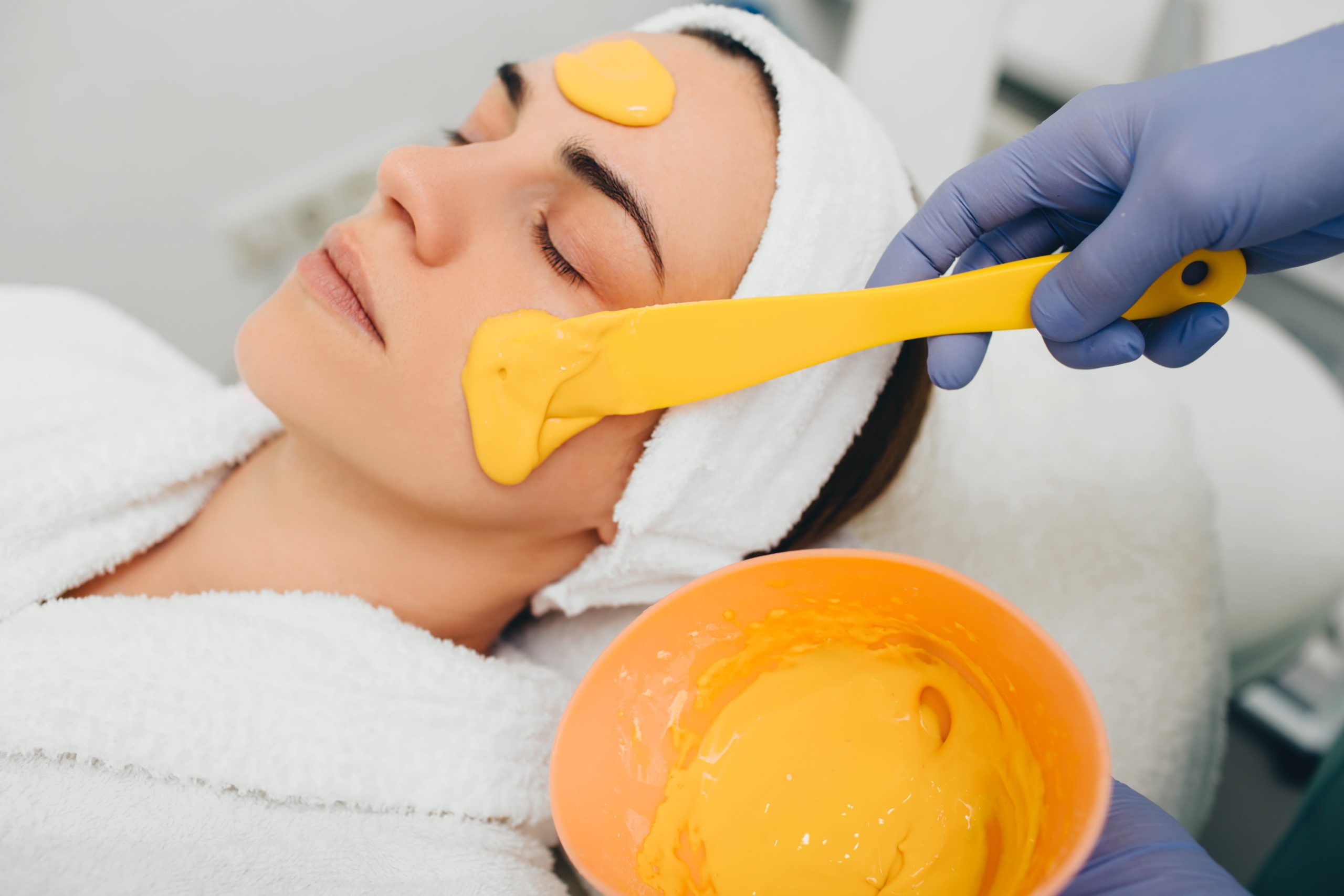
Chemical peels, microneedling, and HydraFacial protocols can all be part of an effective plan — but the formulations, depth, and settings matter enormously. A peel that’s appropriate for a Fitzpatrick Type II client might cause significant irritation and rebound pigmentation in a Type V. That’s not a complication. That’s a predictable outcome when protocols aren’t adjusted.
The goal is to reduce melanin overproduction, accelerate cell turnover, and protect the skin barrier — without triggering the inflammatory response that causes more PIH. That requires a layered strategy, not a single aggressive treatment.
Which Treatments Are Considered Safer for Skin of Color?
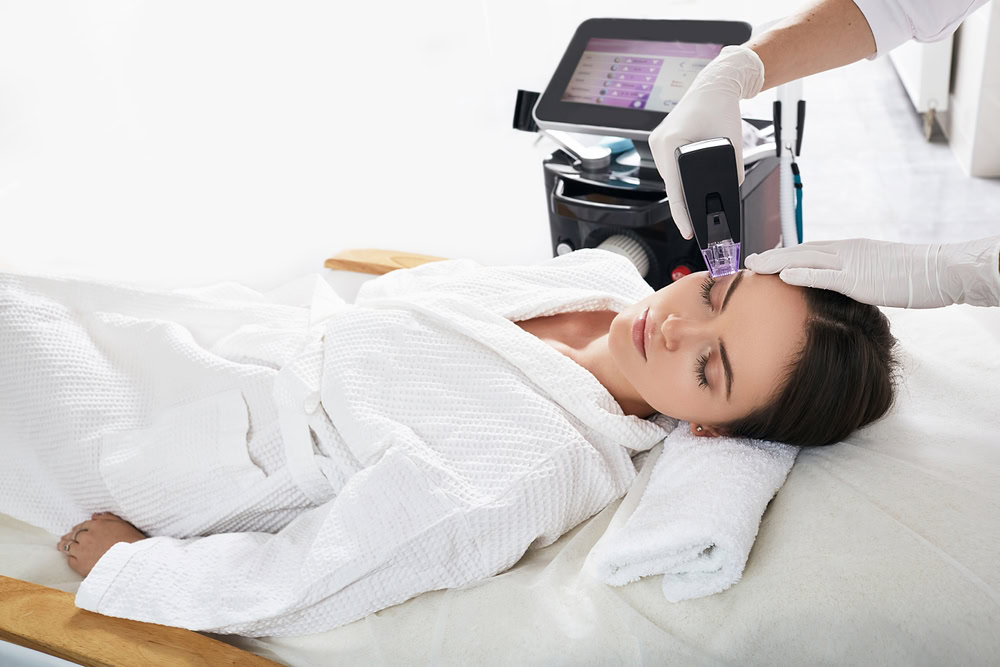
Radiofrequency microneedling is one of the most consistently recommended options for darker skin types, and the reason is straightforward: it works through an electrothermal effect rather than a photothermal one. That means it doesn’t target melanin the way lasers do. The energy goes into the deeper layers of the skin to stimulate collagen and remodeling without the melanin absorption risk that makes some laser treatments dangerous on higher Fitzpatrick types.
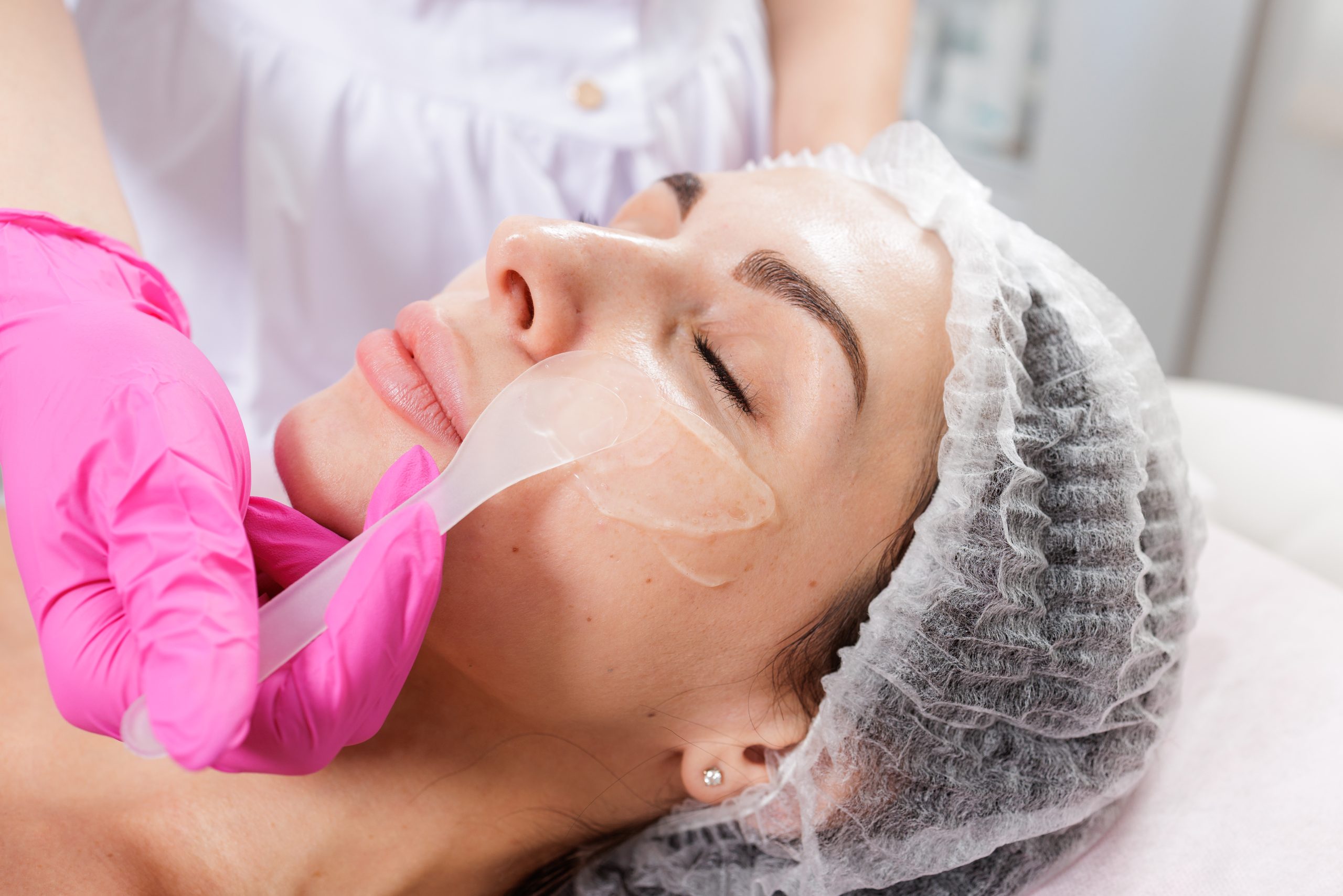
Chemical peels, when properly selected, are another effective option. The VI Peel and the ZO 3 Step Peel — both of which we offer — are medical-grade formulations that can address hyperpigmentation, uneven tone, and dullness. The key is matching the peel’s strength and formulation to your skin type. Stronger isn’t better when it comes to darker skin. A medium-strength peel applied correctly and followed with appropriate aftercare will consistently outperform an aggressive peel that leaves your skin inflamed and vulnerable to more discoloration.
HydraFacial protocols can also be adapted for pigmentation concerns. The Platinum HydraFacial, for example, incorporates targeted boosters that address discoloration while maintaining hydration — which is critical because a compromised skin barrier is one of the fastest ways to trigger more PIH.
The thread running through all of these is customization. Not “we’ll adjust the settings a little,” but genuinely building a treatment plan around your skin type, your specific pattern of pigmentation, and your lifestyle — including how much sun exposure you’re getting and what your home care routine looks like.
Why Finding the Right Provider in Wake County, NC Matters More Than the Treatment Itself
This is the part that doesn’t get said enough: the device or the peel is only part of the equation. The person using it determines whether you get results or a setback.
Wake County has no shortage of medical spas and aesthetics clinics. Many of them offer hyperpigmentation treatments. Far fewer of them have demonstrated, verifiable experience treating darker skin tones safely. That gap matters — and it’s worth being direct about when you’re doing your research.
Jacqueline Grace, who founded Wake Skincare, has won first and second place in Pigmentation Artist of the Year at The Skin Games — an international aesthetics competition where results are judged on real clients, not presentations or portfolios. She’s also been named Best Esthetician in Wake County three consecutive years, including First Place in the Wake Weekly Best of the Best 2022. And she’s one of the first 100 practitioners in the world to achieve HydraFacial Master Certification, the highest tier in a three-level credentialing program.
For Wake County residents — many of whom have skin types that have been underserved or actively harmed by generic aesthetics protocols — these credentials aren’t just impressive. They’re directly relevant to whether a provider can actually help you.
Wake County’s summers are long and the UV index runs high from May through September. That’s a real, local factor that accelerates sun-induced hyperpigmentation and makes melasma harder to manage. It also means that timing your treatments, protecting your skin between sessions, and working with someone who understands how your skin responds to UV exposure isn’t optional. It’s part of the plan.
We’re located in Wake Forest, NC and we serve clients across more than 20 cities throughout Wake County and the surrounding region. If you’ve been searching for a provider who specializes in skin of color — not as a marketing claim, but as a demonstrated practice — that’s exactly what we’ve built here.
Getting Hyperpigmentation Treatment Right Starts with the Right Assessment
If there’s one thing worth taking from this, it’s that hyperpigmentation treatment for dark skin isn’t just a matter of picking the right product or booking the most popular service. The biology of melanin-rich skin changes what’s safe, what’s effective, and what order things need to happen in. A provider who doesn’t account for that isn’t just less effective — they’re a genuine risk.
The good news is that when the approach is right, results are real and visible. Dark spots from acne, sun damage, melasma, and other triggers can be significantly reduced with the right combination of treatments and a plan that’s built around your skin specifically.
If you’re in Wake County, NC and you’re ready to stop guessing, Wake Skincare offers a free skin evaluation and consultation. No commitment, no pressure — just an honest assessment of what your skin needs and what a realistic path forward looks like.