Summary:
Most men in Wake County aren’t thinking about facials. They’re thinking about the project deadline, the commute back from RTP, or whether their skin will finally stop breaking out after they switched face washes — again. Skincare tends to fall somewhere between “I’ll deal with it later” and “that’s not really for me.”
But here’s the thing: men’s skin has specific biological characteristics that make professional treatment more useful, not less. And once you understand what’s actually going on beneath the surface, the question stops being “do I need a facial?” and starts being “why haven’t I done this sooner?”
Why Men's Skin Is Different — And Why That Matters
Men’s skin isn’t just thicker. It’s fundamentally different in ways that affect how it ages, how it reacts to shaving, and how prone it is to congestion and breakouts. Understanding those differences is the most honest case for why facials for men aren’t a luxury — they’re a logical response to what your skin is actually doing.
The biology isn’t complicated, but most skincare marketing glosses right over it. If you know what’s driving the oiliness, the clogged pores, or the persistent irritation along your jawline, you can actually do something about it.
Why Men Produce More Oil — and What That Does to Your Pores
Testosterone directly stimulates the sebaceous glands — the glands responsible for producing the oil your skin uses to stay lubricated. The result is that men can have up to four times more sebum on the skin’s surface than women, with some research putting average sebum production at roughly double. That’s not a flaw; it’s just how male skin is built. But it has real consequences.
More oil means larger, more visible pores. It means a higher tendency toward congestion — the kind that builds up slowly and quietly until you’re looking at blackheads, dull texture, or breakouts that don’t seem to have an obvious cause. Over-the-counter cleansers can remove surface oil, but they can’t extract what’s already settled deep in the pore or recalibrate how much oil your skin is producing in the first place.
This is where a professional facial does something home products genuinely cannot. Treatments like HydraFacial combine extraction, exfoliation, and targeted serum infusion in a single session — going deep enough to clear congestion and address the underlying imbalance, not just rinse the surface. For men dealing with persistent oiliness or breakouts that won’t respond to whatever’s currently in the bathroom cabinet, that depth of treatment is the difference between managing a problem and actually improving it.
Wake County’s climate doesn’t help, either. The humid summers here drive excess sebum production — heat and humidity push the skin’s oil glands into overdrive. If you spend time outdoors, whether that’s running the greenways, playing golf, or just commuting in the heat, your pores are working harder than they would in a cooler, drier climate. A professional treatment calibrated to your actual skin — not a generic formula — accounts for all of that.
What Shaving Does to Your Skin Over Time
Shaving is, technically, a form of exfoliation. The blade removes dead skin cells along with the hair, which is one reason men’s skin can tolerate stronger active ingredients than women’s. But shaving is also a form of daily micro-trauma. The friction, the pressure, and the repeated passes over the same skin create irritation, inflammation, and — for men with curly hair especially — a persistent cycle of ingrown hairs that leaves skin red, bumpy, and reactive.
The wrong technique makes it worse. Dull blades, dry shaving, and shaving against the grain all expose the sensitive underlying layer of skin to more stress than it can recover from overnight. Over time, that accumulates. You end up with chronic redness along the jawline, uneven texture, and a baseline level of irritation that no aftershave balm is going to fully resolve.
A facial designed for men addresses the aftermath of that daily habit. Deep cleansing clears the follicles that get clogged by shaving residue and dead skin buildup. Soothing treatments calm the inflammation that makes skin look and feel raw. And for men dealing with hyperpigmentation from years of shaving irritation — those dark spots or uneven patches that linger after a breakout or razor bump — targeted treatment can actually fade them over time, not just cover them up.
This is also worth knowing if you have a beard: you can still get a facial. The treatment works around facial hair and focuses on the underlying skin, which benefits from professional care regardless of whether it’s covered. The skin beneath a beard is often more congested than men realize, simply because it gets less daily attention.
What Actually Happens During a Men's Facial at Wake Skincare
The hesitation most men have about getting a facial isn’t really about whether it works — it’s about not knowing what to expect. Walking into an unfamiliar environment for a treatment you’ve never had is uncomfortable, and the spa industry doesn’t always do a great job of explaining things in plain language.
So here’s what the process actually looks like, without the marketing language.
What to Expect at Your First Men's Facial Appointment
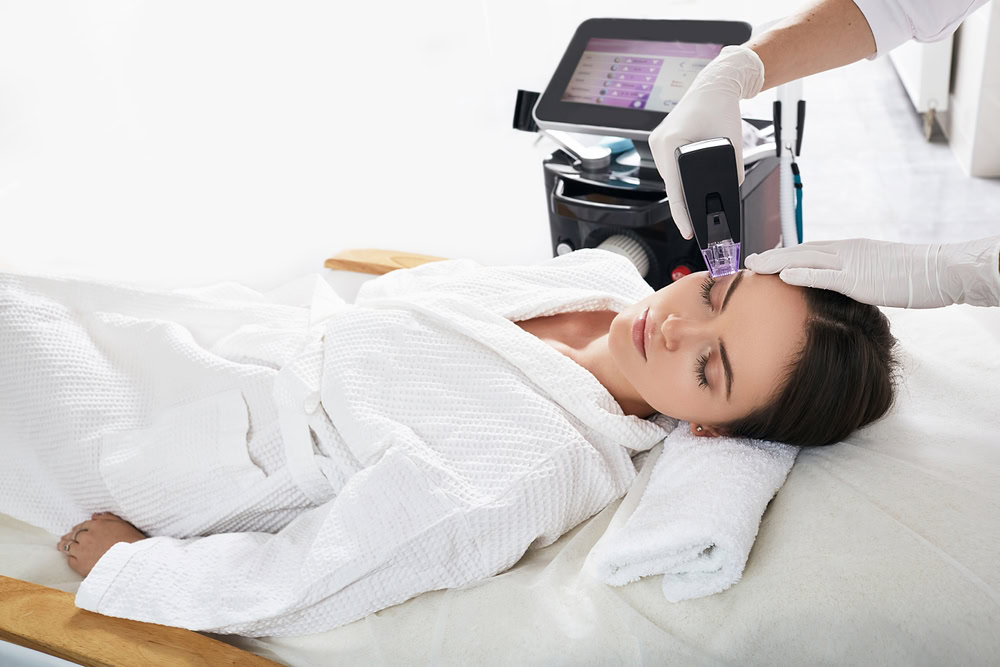
A quality facial appointment starts before any treatment begins. At Wake Skincare, we start every new client with a free skin evaluation and consultation — which means before anything touches your face, we take the time to understand what’s actually going on with your skin. We use the Lumini Beauty Kiosk, an AI-powered skin analysis tool that scans beneath the surface to identify pore congestion, sebum levels, redness, uneven tone, and other factors that aren’t visible to the naked eye. That data shapes the treatment. You’re not getting a menu item — you’re getting a plan built around what your skin actually shows.
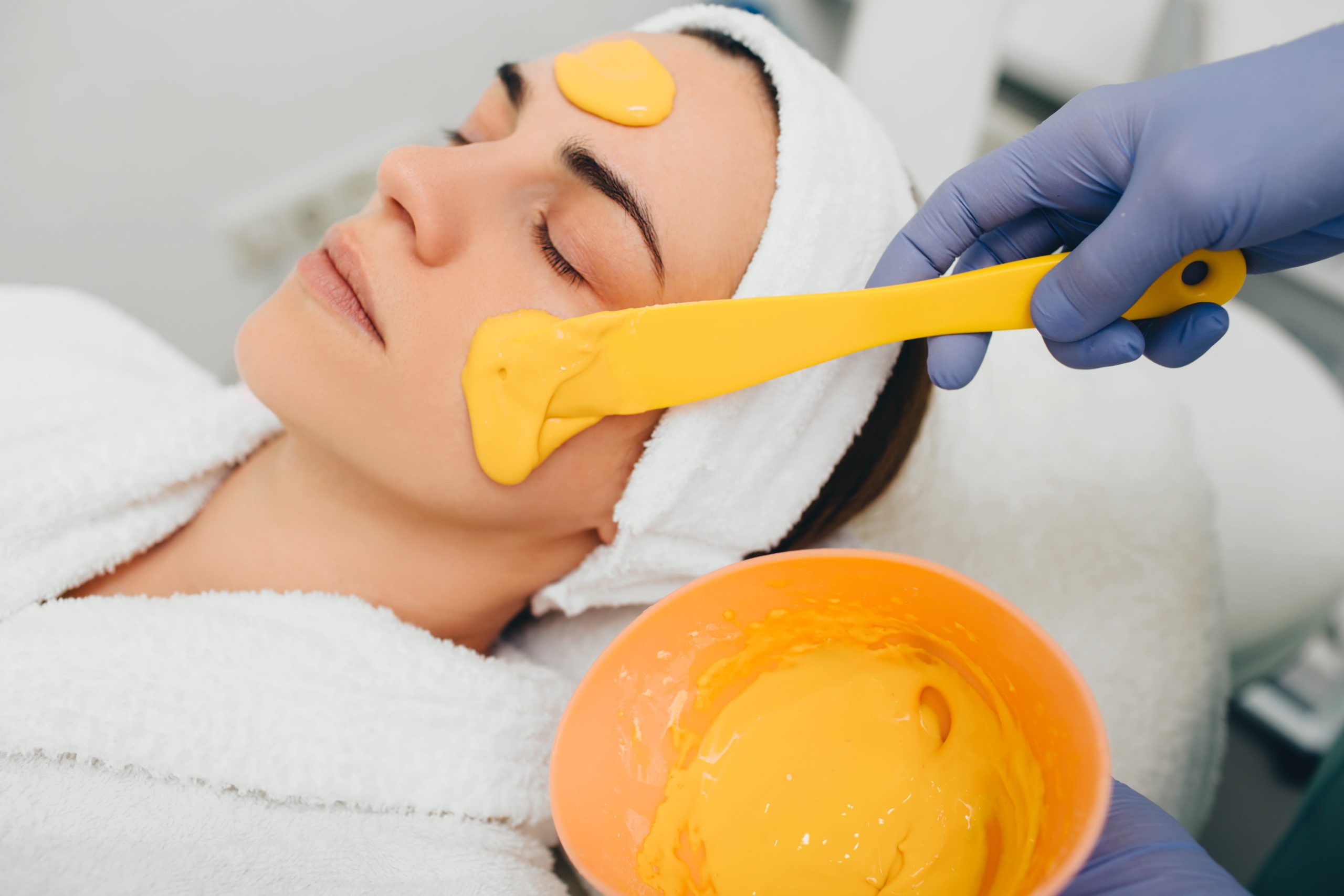
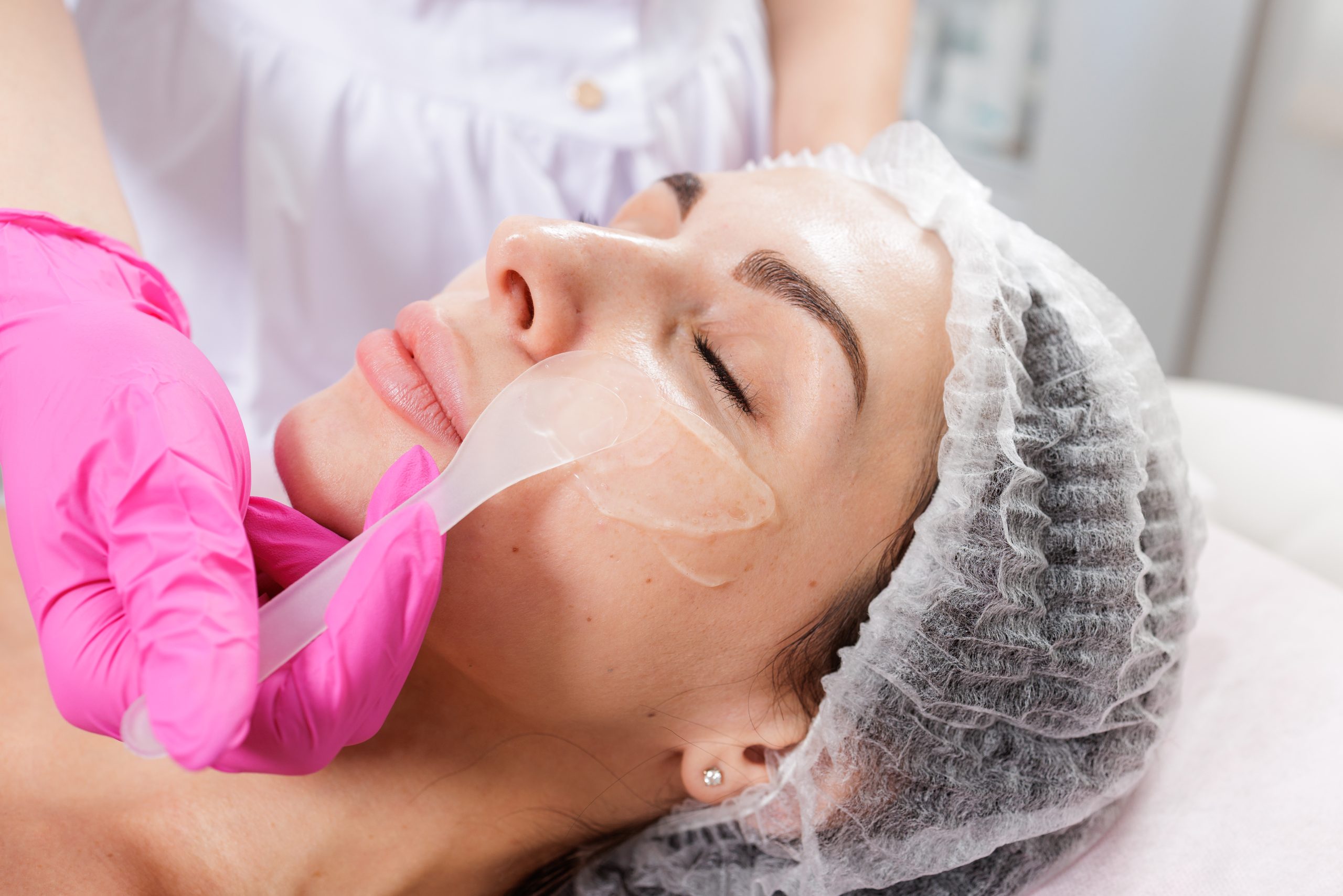
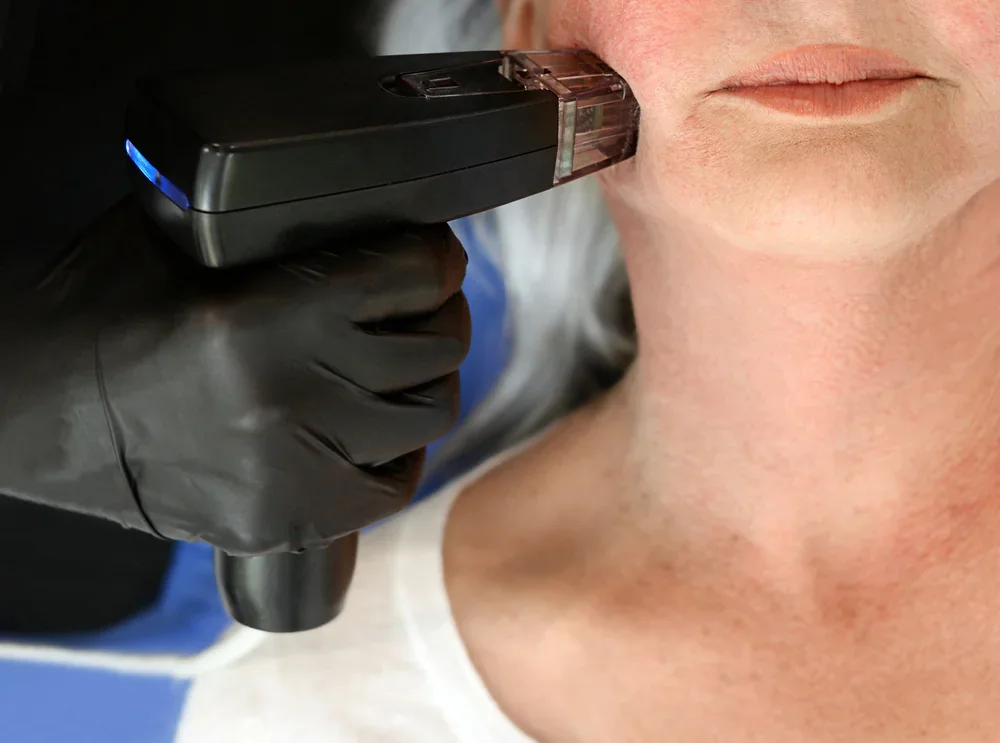
From there, a standard facial moves through a sequence: cleansing to remove surface buildup, exfoliation to clear dead skin cells, steam to open the pores, extractions to clear congestion, a targeted mask, and massage. More advanced treatments like HydraFacial compress those steps into a single device-driven process that extracts, exfoliates, and infuses the skin with medical-grade serums simultaneously — with results you can see the same day, no recovery time required.
The whole appointment is straightforward and clinical in the best sense of the word. There’s no pressure to add services, no judgment about the state of your skin, and no expectation that you’ll know the right terminology going in. If you’ve never had a professional facial before, that’s exactly what the consultation is for. We figure out what your skin needs and explain why — so you leave with a clear picture of what was done and what would help long-term.
One practical note: if you use any exfoliating products at home — retinol, salicylic acid, glycolic acid — let us know during the consultation. Some of those ingredients interact with treatment protocols, and we’ll want to account for that before we start.
How Often Should Men Get Facials in Wake County's Climate?
There’s no single right answer, but there’s a useful starting point: the change of seasons is one of the best times to get a facial, because your skin is adjusting to a shift in temperature, humidity, and UV exposure. In Wake County, that seasonal logic plays out with some local specificity.
North Carolina’s summers are hot and humid. That combination pushes sebum production higher and creates the kind of deep-pore congestion that accumulates over weeks. A post-summer facial — in September or October, as the humidity drops and the air cools — clears out what built up over the warmest months and gets your skin in better shape heading into fall. Spring is the same logic in reverse: after months of dry, heated indoor air and cold wind, a facial in March or April helps your skin reset.
Beyond the seasonal rhythm, North Carolina’s sunny climate means year-round UV exposure. Sun damage doesn’t announce itself immediately — it accumulates quietly as uneven tone, dark spots, and early aging that shows up years later. Men who spend time outdoors in Wake County, whether for work or recreation, are absorbing that exposure consistently. Regular professional treatment — even two to four times a year — makes a measurable difference in how that damage progresses.
For men dealing with active acne or specific concerns like hyperpigmentation, more frequent appointments may make sense early on, then taper as the skin improves. That’s exactly the kind of plan we build during the consultation — not a one-size recommendation, but a schedule that reflects where your skin is now and where you want it to go.
Schedule Your Free Skin Consultation at Wake Skincare
The credentials of the person treating your skin matter more than most men realize. Jacqueline Grace, who founded Wake Skincare in Wake Forest, NC, trained in New York, holds HydraFacial Master Certification — placing her among the first 100 practitioners worldwide to reach that level — and has been named Best Esthetician in Wake County for three consecutive years. She has also earned first and second place in the Pigmentation Artist of the Year category at The Skin Games, an international aesthetics competition. Those aren’t marketing claims. They’re verifiable credentials from peer-reviewed competitions and local recognition programs that Wake County residents can look up.
If you’ve been putting off dealing with your skin — the oiliness, the shaving irritation, the sun damage from years of outdoor time in NC — a free consultation is the lowest-commitment way to find out what you’re actually working with. No obligation, no pressure, just an honest assessment of what your skin needs and what would actually help.
Reach out to Wake Skincare to schedule yours.