Summary:
Your eyebrows frame your entire face. When they’re sparse, uneven, or disappearing from years of over-plucking, you know how much time goes into filling them in every single day. Microblading offers a different approach—one that gives you natural-looking, fuller brows without the morning routine. At our professional medical spa in Wake Forest, NC, we treat microblading as both an art and a science, customized to fit your unique features. Here’s what you should know before booking your consultation.
What Is Microblading and How Does It Work
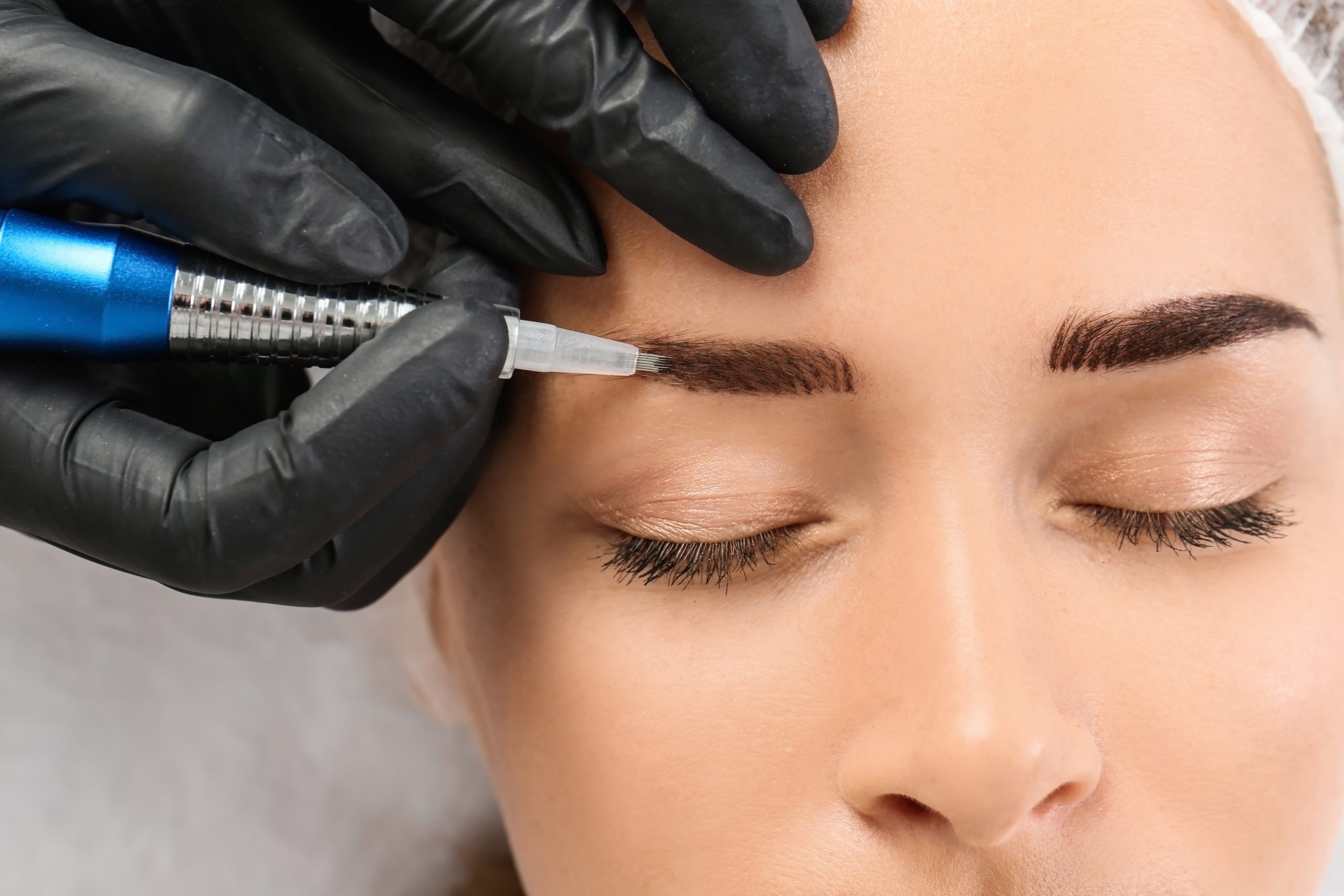
Microblading is a form of semi-permanent makeup that uses a specialized hand-held tool to create individual, hair-like strokes in your eyebrows. Think of it as cosmetic tattooing, but with a key difference: instead of depositing ink deep into the skin like traditional tattoos, microblading places pigment into the upper layers of the epidermis. This shallower placement means the color fades naturally over time rather than turning blue, green, or gray like old-school eyebrow tattoos.
The tool itself looks like a small blade with ultra-fine needles arranged in a row. We use this to etch tiny, precise lines into the skin, then apply pigment that mimics the look of real eyebrow hairs. The result is dimension and texture that blends seamlessly with your existing brows—or creates the illusion of fullness where there isn’t much hair left.
Because the pigment sits closer to the surface, microblading typically lasts between 18 and 30 months, depending on your skin type, age, and how well you follow aftercare instructions. Oily skin tends to break down pigment faster. Sun exposure, certain skincare products, and your body’s natural cell turnover all play a role in how long your results last.
Microblading vs Eyebrow Tattooing: What's the Difference
If you’ve heard the terms “microblading” and “eyebrow tattooing” used interchangeably, you’re not alone. But there are real differences that affect how your brows look—and how long they stay looking good.
Traditional eyebrow tattoos use a machine that deposits ink deep into the dermis, the same layer targeted in body tattoos. The ink is permanent, and over time, it can spread, blur, or change color. You’ve probably seen older eyebrow tattoos that look solid, blocky, or have that telltale blue-green tint. That’s because tattoo ink behaves differently than microblading pigment as your skin ages and regenerates.
Microblading, on the other hand, is done by hand. The manual technique gives us complete control over each stroke, allowing for finer, more realistic lines that actually look like individual hairs. The pigment we use is formulated specifically for facial features and is designed to fade naturally without shifting to strange hues. As your skin cycles through its normal regeneration process, the pigment gradually lightens and eventually disappears—which is why touch-ups are recommended every 12 to 18 months.
The healing process is similar for both, typically taking 4 to 6 weeks for full recovery. But microblading offers more flexibility. If your face shape changes, your style evolves, or brow trends shift, you’re not stuck with a permanent decision. You can adjust the shape, thickness, or color at your next appointment. That’s a big deal when you’re talking about something as visible as your eyebrows.
Another advantage? Microblading tends to be less painful. Most people describe the sensation as light scratching or pressure, especially after a topical numbing cream is applied. Pain levels typically fall around a 2 to 4 out of 10. There’s some tenderness afterward—think mild sunburn—but it usually subsides within 24 hours.
Who Is a Good Candidate for Microblading
Microblading works best for people with normal to dry skin. If your skin tends to be oily, the pigment may not hold as well, and you might be better suited for powder brows or a combination technique. Mature skin with significant thinning or wrinkling around the brow area may also require a gentler approach—sometimes a machine-based method is safer than manual blading on fragile skin.
You’re likely a strong candidate if you have sparse brows from over-plucking, gaps in your natural hair growth, or thinning due to aging or medical conditions. Microblading is also ideal if you’re tired of spending 15 to 30 minutes every morning trying to draw on symmetrical brows, or if you lead an active lifestyle and need brows that won’t smudge during workouts or swimming.
That said, not everyone qualifies. If you’re pregnant or nursing, we won’t perform the procedure due to the numbing agents and pigments involved. People on blood thinners, those with certain skin conditions like eczema or rosacea in the brow area, or anyone who’s been on Accutane within the past year should wait or explore other options. Diabetics and individuals with compromised immune systems may experience slower healing or higher infection risk.
Before committing, a consultation is non-negotiable. We’ll analyze your skin type, discuss your medical history, review your brow goals, and determine whether microblading is the safest and most effective choice for you. At Wake Skincare in Wake Forest, NC, we offer free consultations to ensure you’re a good fit before moving forward—because the wrong technique on the wrong skin type can lead to poor retention, scarring, or results that don’t match your expectations.
It’s also worth noting that certain medications and skincare ingredients can interfere with healing or cause pigment to fade prematurely. Retinol, glycolic acid, and other exfoliating products should be avoided in the brow area both before and after your appointment. We’ll give you a full prep list during your consultation.
The Microblading Process: What to Expect from Consultation to Healing
Microblading isn’t a walk-in, walk-out service. The process involves multiple steps, from your initial consultation to the final healed result. Understanding what happens at each stage helps you prepare—and sets realistic expectations for how your brows will look during the healing phase.
Your first appointment typically lasts 2.5 to 3 hours. We’ll start by mapping out your brow shape using measurements and facial symmetry as a guide. This isn’t about following a trend—it’s about finding the shape that complements your bone structure, eye placement, and natural features. We’ll review the proposed shape together and make adjustments before any pigment touches your skin.
Once the shape is finalized, a topical numbing cream is applied to minimize discomfort. After it takes effect, the microblading begins. You’ll feel some pressure and a scratching sensation, but most people find it tolerable. The entire process involves creating individual strokes, layering pigment, and building up the color and dimension stroke by stroke.
Microblading Healing and Aftercare: Day by Day
The first week after microblading is the most critical for healing—and the most visually dramatic. Immediately after your appointment, your brows will look bold and dark. That’s normal. The color will appear much more intense than the final result, and there may be some redness or slight swelling around the brow area.
By day 2 or 3, your brows will start to darken even more as oxidation occurs and your skin begins forming scabs. This is when people tend to panic, thinking their brows look too heavy or unnatural. Don’t. This phase is temporary. By day 5, scabbing and flaking will begin. Your brows may feel itchy, but picking or scratching will pull out pigment and can cause patchy results or scarring.
Between days 7 and 14, the scabs will flake off on their own. As they do, the color underneath will look significantly lighter—sometimes alarmingly so. This is called the “ghosting” phase, and it’s completely normal. A thin layer of new skin has formed over the pigment, making it appear faded or even invisible in some spots. Over the next few weeks, the pigment will slowly resurface as your skin continues to heal and regenerate.
Full healing takes about 4 to 6 weeks. During this time, avoid getting your brows wet for prolonged periods, skip the gym and saunas, stay out of direct sun, and don’t apply makeup or skincare products directly on the treated area. We’ll provide a detailed aftercare plan, often including a gentle cleanser and healing ointment to use sparingly. Following these instructions isn’t optional—it directly impacts how well the pigment holds and how your final results look.
Around 6 to 8 weeks after your initial session, you’ll return for a touch-up appointment. This is where we fill in any areas where pigment didn’t take, adjust the shape if needed, and perfect the overall look. Most of our initial microblading packages include this follow-up session, so confirm that before booking.
How Long Does Microblading Last and When Do You Need Touch-Ups
Microblading isn’t permanent, and that’s actually one of its biggest advantages. Depending on your skin type, lifestyle, and how well you maintain your brows, results typically last anywhere from 12 to 30 months. People with oily skin or those who use exfoliating skincare products near their brows may see fading closer to the 12-month mark. Those with normal to dry skin often enjoy results that hold for 18 months or longer.
Annual or biannual touch-ups are recommended to keep your brows looking fresh. These appointments are shorter and less expensive than the initial session—usually around $150 to $300, depending on how much fading has occurred. If you wait too long between touch-ups and the pigment fades completely, you may need to start over with a full session, which resets the cost closer to the original price.
Sun exposure is one of the biggest culprits behind premature fading. UV rays break down pigment faster, so wearing sunscreen on your brows or a hat when you’re outdoors helps extend your results. Certain skincare ingredients—retinol, alpha hydroxy acids, beta hydroxy acids—also accelerate fading and should be kept away from the brow area.
Your lifestyle plays a role too. If you’re someone who sweats heavily during workouts, swims frequently, or spends a lot of time in chlorinated or saltwater, your pigment may fade faster. That doesn’t mean you can’t do those things—it just means you might need touch-ups more often.
Think of microblading as an investment that requires maintenance. The upfront cost typically ranges from $400 to $900 depending on your location and the experience level of your esthetician. In the Triangle area of North Carolina, including Wake County, Franklin County, and Granville County, you’ll find pricing on the higher end of that range for highly trained, licensed professionals. When you factor in the time saved every morning—15 to 30 minutes, easily—and the cost of brow pencils, gels, and powders you’re no longer buying, the numbers start to make sense.
Is Microblading Right for You in Wake County, NC
Microblading offers a practical solution for anyone tired of filling in sparse, uneven, or over-plucked brows every single day. It’s not a quick fix, and it’s not for everyone—but when done by a skilled, licensed esthetician who understands facial symmetry, skin types, and proper technique, the results can be life-changing.
If you’re in Wake County, Franklin County, or Granville County and you’re considering microblading, start with a consultation. We’ll assess your skin, discuss your goals, and give you an honest answer about whether you’re a good candidate. At Wake Skincare, Jacqueline Grace brings award-winning expertise and a personalized approach to every client, ensuring your brows enhance your natural features rather than overpowering them.
Your eyebrows are one of the first things people notice. If microblading can give you back 20 minutes every morning and the confidence that comes with waking up looking put-together, it’s worth exploring. Reach out to us to schedule your free consultation and see what’s possible.