Summary:
There’s no shortage of facial treatments to choose from — and that’s exactly the problem. HydraFacial, deep cleansing facial, chemical peel, microdermabrasion, red light therapy — each one sounds promising, and most providers will tell you theirs is the best fit. So how are you supposed to know?
The honest answer is that the right facial depends entirely on your skin. Not your friend’s skin. Not the treatment that’s trending on social media. Yours. We’re here to help you understand what separates one treatment from another, what to ask before you book, and what actually makes a difference in your results.
Understanding Facial Services: Why the Difference Matters
“Facial services” is a broad umbrella. Under it, you’ll find everything from a relaxing spa facial with a warm towel and a gentle mask to clinical-grade treatments that resurface skin, treat pigmentation, or stimulate collagen production at a cellular level. These are not the same thing, and treating them as interchangeable is one of the most common mistakes people make when booking their first professional treatment.
A spa-style facial is designed primarily around relaxation and mild maintenance. It cleanses, hydrates, and gives your skin a refresh. A medical-grade facial — the kind we perform at a licensed medical aesthetic facility — uses professional-strength products, specialized devices, and clinical protocols to address specific concerns like acne, sun damage, or visible signs of aging. The results are more targeted, and in many cases, more lasting.
Understanding this distinction matters because it shapes everything: the provider you choose, the treatment you book, and the results you can realistically expect.
Deep Pore Cleansing Facial: What It Is and Who Actually Needs It
If you live in Wake County, you already know what summer feels like here. The humidity alone is enough to make your skin feel like it’s working overtime. Add in the notoriously high pollen counts — Raleigh consistently ranks among the worst cities in the country for seasonal allergies — and you have a recipe for clogged pores, congestion, and breakouts that won’t quit no matter how diligently you wash your face at home.
That’s exactly the environment a deep pore cleansing facial is designed for. This treatment goes beyond surface-level cleansing. It typically combines steam to open the pores, manual or mechanical extraction to remove buildup, exfoliation to clear dead skin cells, and targeted products to calm inflammation and tighten the skin afterward. The result isn’t just cleaner-looking skin — it’s skin that can actually breathe and function the way it’s supposed to.
People with oily or combination skin tend to benefit most from this type of treatment, but it’s not exclusively for acne-prone clients. Anyone dealing with dullness, congestion, or that persistent “rough texture” feeling can see meaningful improvement. The key is having a provider who assesses your skin before diving in.
Extraction done incorrectly — or on skin that isn’t properly prepped — can cause irritation, broken capillaries, or post-treatment breakouts. A skilled esthetician will know when to push and when to pull back. It’s completely normal to experience some mild redness or sensitivity in the 24 hours after a deep cleansing facial. This is not a sign that something went wrong. It’s a sign that your skin was actually worked on. We’ll walk you through what to expect before you leave — and what to avoid (like heavy makeup or direct sun exposure) while your skin recovers.
Red Light Skin Therapy: The Add-On That More People Should Know About
Red light therapy doesn’t get as much attention as HydraFacial or chemical peels, but it probably should. It’s one of the quieter workhorses in modern skincare — non-invasive, painless, and backed by a growing body of clinical research showing real benefits for skin health.
Here’s the basic idea: red light therapy uses specific wavelengths of low-level light to penetrate the skin and stimulate cellular activity. At the skin level, this translates to increased collagen production, reduced inflammation, and accelerated healing. It’s commonly used to address fine lines and wrinkles, redness and rosacea, post-acne healing, and general skin tone and texture. It also pairs well with other treatments — we often offer it as a complement to a facial or peel to help calm the skin and support recovery.
What makes red light therapy particularly appealing for a lot of our clients is the zero downtime. You walk in, the treatment is performed, and you walk out. There’s no peeling, no redness, no “recovery window” to plan around. For someone managing a busy schedule — which describes most people in Wake County’s professional community — that matters.
Red light therapy is not a one-session fix. Like most professional skincare treatments, it works best as part of a consistent plan. A few sessions in, most clients notice a visible improvement in skin tone and a reduction in inflammation. The full picture becomes clearer over time. If you’re curious whether it’s a good fit for your specific concerns, a consultation is the right starting point.
Hydrodermabrasion Facial: How It Differs from Traditional Microdermabrasion
Microdermabrasion has been around for decades, and for good reason — it works. But hydrodermabrasion is a newer evolution of the same concept, and for many skin types, it’s a significantly better option. Understanding the difference helps you make a smarter decision before you book.
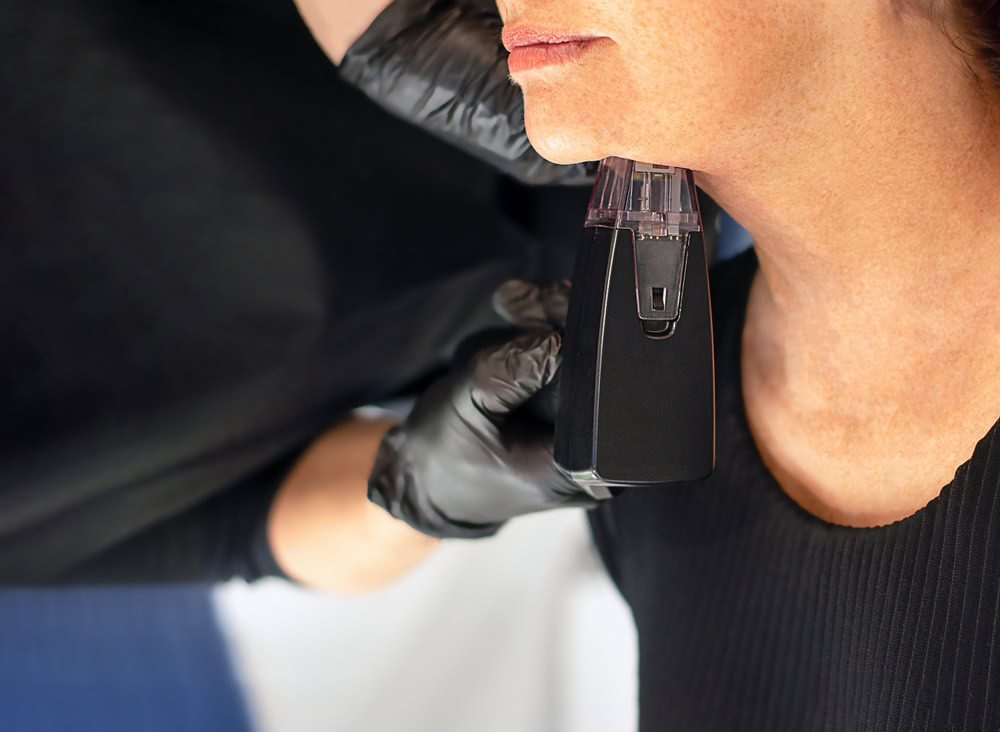
Traditional microdermabrasion uses a physical abrasive (crystals or a diamond-tipped wand) to sand away the outermost layer of dead skin cells. It’s effective for texture and mild resurfacing, but it can leave skin feeling dry, tight, or irritated — especially for clients with sensitive skin or conditions like rosacea. Hydrodermabrasion takes the exfoliation concept and adds simultaneous hydration. As the dead skin is removed, the device infuses the skin with serums, antioxidants, and hydrating agents at the same time.
The result is skin that’s been resurfaced and replenished in a single treatment, rather than stripped and left to recover. This is one of the reasons HydraFacial — which operates on a similar hydrodermabrasion principle — has become one of the most requested treatments in the country. It combines cleansing, exfoliation, extraction, and hydration in a single session, and the results are immediately visible with no downtime required.
How to Know If a Hydrodermabrasion Facial Is Right for Your Skin Type
One of the most common questions people ask before booking a hydrodermabrasion facial is whether it’s appropriate for their skin type. The short answer is that it works well across a wide range of skin types — but the specific serums and protocols used should be adjusted based on your individual concerns.
For oily or acne-prone skin, a hydrodermabrasion treatment can help clear congestion, reduce the appearance of enlarged pores, and deliver targeted ingredients that calm breakout activity. For dry or dehydrated skin, the simultaneous infusion of hydrating serums addresses the root issue rather than just treating the surface. For aging skin, the combination of gentle exfoliation and antioxidant delivery supports cell turnover and helps ingredients penetrate more effectively than they would on un-prepped skin.
Where it gets more nuanced is with melanin-rich skin. This is an area where provider experience matters enormously. Certain exfoliation techniques, when applied without the right adjustments, can trigger post-inflammatory hyperpigmentation — meaning the treatment intended to improve your skin can actually worsen existing dark spots or create new ones. This is not a risk that gets discussed enough in the general skincare conversation, and it’s one of the reasons that choosing a provider with documented expertise in skin of color is not optional — it’s essential.
Wake County’s population is genuinely diverse, and a significant number of clients seeking facial services here have melanin-rich skin that requires a different level of clinical consideration. Not every provider in the area is trained to work with that range. When you’re evaluating your options, asking specifically about a provider’s experience with your skin tone and concerns is one of the most important questions you can ask.
How to Choose a Facial Treatment Provider in Wake County, NC
Credentials matter more than most people realize when it comes to facial treatments — and not just the baseline ones. In North Carolina, a licensed esthetician must complete a state-approved program and pass the NC State Board of Cosmetic Arts examination. That’s the floor, not the ceiling. The providers who consistently deliver results have gone well beyond that minimum.
When you’re evaluating a provider, look for specific, verifiable credentials rather than generic claims. “Certified” means almost nothing without context. What are they certified in? By whom? At what level? These are fair questions, and a qualified provider will have clear answers. For example, HydraFacial certification exists at three levels — Professional, Expert, and Master. A Master-certified provider has demonstrated a level of skill and training that the vast majority of practitioners haven’t reached. That distinction is meaningful.
Competition placements are another signal worth paying attention to. Events like The Skin Games are international esthetician competitions where practitioners are judged on technical skill and real client results — not self-declared expertise. Placing first or second in a category like Pigmentation Artist of the Year, against competitors from around the world, is a different kind of credential than a certificate that came in the mail.
For medical-grade treatments — Botox, IPL, certain chemical peels — you also want to confirm that the clinic operates under the supervision of a licensed medical director. In North Carolina, this is a legal requirement for certain procedures, and it’s a meaningful safety signal for clients considering clinical treatments.
Finally, pay attention to whether the provider offers a genuine consultation before recommending a treatment. A provider who can tell you exactly what you need before they’ve looked at your skin isn’t assessing you — they’re selling you. A real consultation involves a skin evaluation, a conversation about your concerns and history, and a personalized plan built around what your skin actually needs. That’s the difference between a treatment that works and one that doesn’t.
Finding the Right Facial Treatment Starts with the Right Conversation
Choosing a facial treatment isn’t complicated once you understand what you’re actually looking for. The right treatment matches your skin type, your concerns, and your goals — not someone else’s. And the right provider is someone with the credentials, the experience, and the clinical judgment to build a plan around you specifically.
If you’re in Wake County and you’re not sure where to start, the most useful thing you can do is have a real conversation with a qualified esthetician before you book anything. Not a sales call — an actual skin evaluation where someone looks at what’s going on and tells you honestly what will and won’t help.
That’s exactly what we offer at Wake Skincare. Free consultations, no pressure, and a treatment approach built around your skin — not a menu.