Summary:
You’ve done the research. You know microneedling can help with acne scars, fine lines, enlarged pores, and those stubborn dark spots that never quite fade. Now you’re looking at four or five clinics in Wake County, and they all seem to say roughly the same things — “medical-grade,” “personalized,” “minimal downtime.” It starts to blur together.
The truth is, microneedling done well produces real, visible results. Microneedling done poorly can cause damage that’s harder to fix than the original concern. Knowing what to actually look for — not just the marketing language, but the verifiable specifics — makes all the difference.
What a Quality Microneedling Clinic Should Actually Include
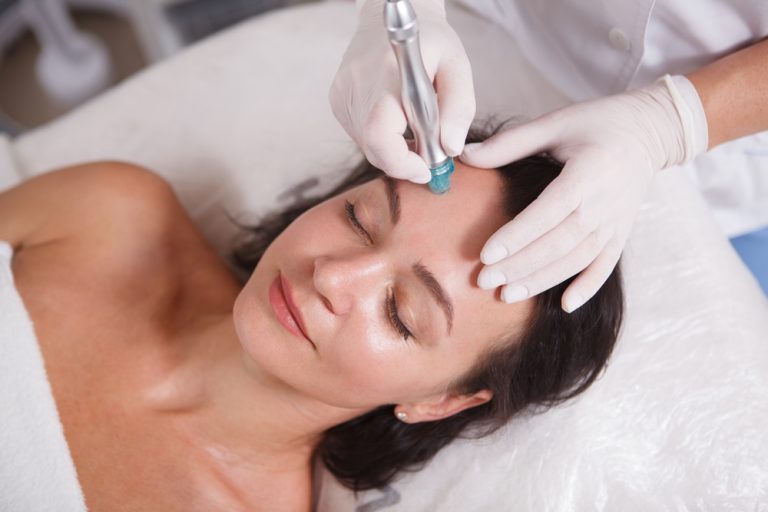
A quality microneedling clinic isn’t just pressing a device against your skin for thirty minutes. It starts with a real consultation — someone asking about your skin history, your concerns, your medications, and your goals before anything else happens. We include a treatment plan calibrated to your specific skin type, not a default setting applied to everyone who walks in.
After the session, we walk you through aftercare, recommend products suited to your skin, and give you honest expectations about timeline. You should leave knowing what to expect over the next few days and when you’ll start seeing results — not guessing.
Before Microneedling: What a Thorough Clinic Will Ask You
Before microneedling begins, a qualified provider should be asking questions, not just scheduling you. That means reviewing any medications you’re taking — some blood thinners and certain topicals can affect how your skin responds. We ask whether you have any active breakouts, open wounds, or recent sun exposure, because those are contraindications that affect both safety and outcome.
You’ll typically be advised to stop using retinoids three to five days before your appointment. If you’re on any prescription skin treatments, we need to know about them. A clinic that skips this conversation isn’t being efficient — they’re cutting a corner that matters.
This pre-treatment process also gives you a chance to evaluate the provider. Are they listening? Are they asking follow-up questions? Are they giving you realistic expectations, or are they overselling what one session can do? Most people need three to six sessions spaced four to six weeks apart for meaningful, lasting results. A provider who tells you otherwise before even seeing your skin is a red flag.
The consultation is also when the device conversation should happen. Ask what device we use and whether it’s FDA-cleared. In North Carolina, state law requires estheticians to use FDA-approved devices for microneedling — and as of the NC Board of Cosmetic Art Examiners’ 2022 ruling, only a small number of devices actually meet that requirement. If a clinic can’t name the device they use or explain why it qualifies, that’s worth knowing before you commit.
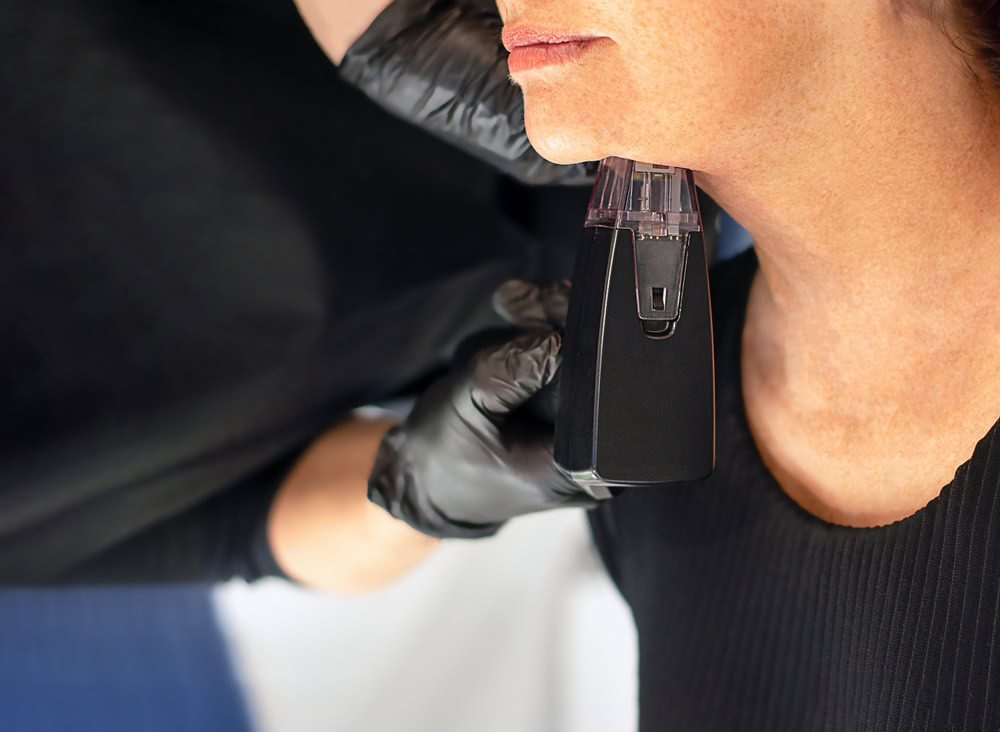
At Wake Skincare, we use SkinPen — the first and only FDA-cleared microneedling device specifically indicated for acne scars and wrinkles, classified as a Class II medical device. It’s backed by more than 90 validation studies and has been used in over three million patient treatments. That’s not a marketing claim — it’s a classification you can look up.
Why the Device Your Clinic Uses Is Not a Minor Detail
Most people shopping for microneedling don’t think to ask about the device. They assume all clinics are using something comparable. They’re not.
The FDA has cleared only a handful of microneedling devices for specific clinical indications. SkinPen, for example, holds a De Novo classification — meaning it went through a formal FDA review process and was cleared as a Class II medical device. That process requires clinical trial data, manufacturing standards, and ongoing quality controls. A device without that classification hasn’t been held to the same bar, regardless of how it’s described in a brochure.
In North Carolina, the 2022 ruling from the NC Board of Cosmetic Art Examiners established that licensed estheticians can perform microneedling — but only with FDA-approved devices, and only up to 1.0mm in depth. This matters because it draws a clear line between compliant providers and those operating outside their scope. Knowing your clinic uses a qualifying device isn’t paranoia — it’s basic due diligence.
The device also affects outcomes in practical terms. A motor-driven, precision device like SkinPen allows us to calibrate needle depth to your specific skin concern. Fine lines and enlarged pores require a different depth than deeper acne scars. A device that can’t be adjusted precisely — or a provider who doesn’t know how to adjust it — can’t deliver the same results. Clinical data on SkinPen shows 80% of patients noticed improvement in acne scars just one month after treatment, with studies documenting 50 to 75% improvement in atrophic acne scars after three to six sessions. Those numbers come from a specific device used correctly, not from microneedling as a generic concept.
The takeaway: ask your clinic what device they use. Ask if it’s FDA-cleared. If they can’t answer confidently, you have your answer.
The Provider Credentials That Actually Matter in Wake County, NC
Licensure is the floor, not the ceiling. Every esthetician performing microneedling in North Carolina should be licensed and working within the state’s defined scope of practice. But licensure alone doesn’t tell you whether someone has deep experience with your specific skin concern, whether they’ve trained beyond the minimum, or whether they have any documented track record of results.
What you’re looking for beyond the license are credentials that are verifiable and specific — awards from third-party competitions, advanced certifications from recognized bodies, and evidence that the provider has worked across diverse skin types and concerns.
What Pigmentation Expertise Has to Do With Microneedling Safety
This is the part most clinic comparison guides leave out, and it’s the most important thing for a significant portion of Wake County, NC clients to know.
Microneedling carries a specific risk for people with melanin-rich skin: post-inflammatory hyperpigmentation, or PIH. This is when the skin’s inflammatory response to the needling triggers excess melanin production, leaving dark patches that can be worse than the original concern. It’s not a rare or fringe risk — it’s a well-documented clinical reality. The good news is that with proper protocols, clinical data shows PIH rates under 5% for darker skin types. The catch is that “proper protocols” requires a provider who actually understands pigmentation at a technical level.
Wake County’s population is genuinely diverse — and growing. A large portion of clients considering microneedling in this area have Fitzpatrick IV through VI skin tones, and they deserve a provider who has demonstrated expertise in treating those skin types, not one who’s figured it out by trial and error.
Jacqueline Grace, who founded and leads Wake Skincare, won first place in Pigmentation Artist of the Year at The Skin Games — an international esthetician competition. She also placed second in the same category in a separate year. That’s not a local participation award. It means her work was evaluated against practitioners from around the world by industry peers, specifically in the area of pigmentation treatment. For anyone with hyperpigmentation, melasma, post-acne dark spots, or melanin-rich skin, that credential is directly relevant to your safety and your results.
She’s also been named Best Esthetician in Wake County three consecutive years by the Wake Weekly Best of the Best — a local publication Wake County residents know well. That combination of local recognition and international competition results is uncommon, and it matters when you’re deciding who to trust with your skin.
Why Physician Oversight Changes the Equation at a Medical Spa
There’s a meaningful difference between a day spa that offers microneedling and a medical aesthetic practice with actual physician oversight. The difference isn’t always obvious from the outside, but it affects both what services can be offered and the clinical standards applied to every treatment.
At a properly structured medical spa, a licensed physician is involved in the practice — not just nominally listed on a website, but serving as an overseeing medical director with a defined role. This matters for microneedling because the treatment is classified as a medical-grade procedure. Having a physician in that oversight capacity means clinical protocols are reviewed, safety standards are maintained, and the practice operates within a framework that a day spa simply isn’t held to.
Wake Skincare operates under the oversight of Dr. Joseph Hummel, a board-certified physician whose stated objective is delivering top-tier, personalized medical care. His name is on the practice. His role is defined. That’s different from a vague reference to “physician oversight” with no specifics attached.
This dual-layer structure — a licensed, award-winning esthetician working within a physician-supervised medical aesthetic practice — is the standard of care for treatments like microneedling. It’s also what allows us to offer a broader range of services, from SkinPen microneedling and chemical peels to Botox and laser treatments, all under one roof. When you’re evaluating clinics, ask whether there’s a named medical director and what their role actually is. The answer tells you a lot.
Jacqueline trained in New York before relocating to Wake Forest roughly six years ago — and for the large number of Triangle residents who’ve moved here from larger metros, that background signals the kind of training standard they’re used to expecting. Wake County has grown fast, and the people moving here aren’t settling for less than what they had before.
How to Choose a Microneedling Clinic You Can Actually Trust
Look for a named, verifiable credential — not just “licensed” but specifically trained and recognized. Ask about the device and confirm it’s FDA-cleared. Find out whether there’s physician oversight, and who that physician actually is. If you have melanin-rich skin or a history of hyperpigmentation, make sure your provider has documented expertise in that area specifically. And take the free consultation seriously — it’s the clearest window into how a clinic actually operates.
Microneedling done right produces results you can see, and that other people notice. Done wrong, it creates new problems. The difference almost always comes down to the provider and the process, not the price point.
If you’re in Wake County, NC and ready to have an honest conversation about what microneedling can do for your skin, we offer free consultations with no pressure and no upselling — just a real assessment of your skin and what’s actually worth pursuing.
—
**What should I look for when choosing a microneedling clinic?**
Start with the device — confirm it’s FDA-cleared, not just “medical-grade.” Then look at the provider’s credentials beyond their license: specific awards, advanced certifications, and documented experience with your skin type and concern. Ask whether the practice has physician oversight and who that physician is by name. Finally, pay attention to the consultation process. A clinic that rushes past your history and goals before treatment isn’t giving you the care the procedure requires.
**Is microneedling safe for darker skin tones?**
Yes, when performed by a provider with genuine pigmentation expertise. The main risk for melanin-rich skin is post-inflammatory hyperpigmentation — a darkening response triggered by the skin’s inflammatory reaction to needling. With proper protocols and calibrated needle depth, clinical data shows PIH rates under 5% for Fitzpatrick IV through VI skin types. In Wake County, NC, where the population is diverse, finding a provider with demonstrated experience treating darker skin tones is essential. That’s why we prioritize this expertise at Wake Skincare.
**How many microneedling sessions will I need?**
Most people need three to six sessions, spaced four to six weeks apart, to see meaningful and lasting results. You may notice some improvement within a few weeks of your first session — collagen remodeling takes time, and the full effect builds over several months. Any provider who promises dramatic results from a single session before they’ve even assessed your skin is overselling. Realistic expectations set upfront are a sign of a clinic worth trusting.
**Can I see microneedling after pics from real clients?**
Yes — before-and-after photos from actual clients are one of the most useful things to review when evaluating a clinic. When you look at microneedling after pics, pay attention to whether the results shown reflect skin concerns and tones similar to yours. Generic before-and-after galleries with limited diversity don’t tell the full story. Ask the clinic directly whether they have examples relevant to your specific concern, whether that’s acne scarring, hyperpigmentation, enlarged pores, or fine lines.
**What do I need to do before my first microneedling appointment?**
In the days leading up to your appointment, avoid retinoids and prescription exfoliants for three to five days. Skip NSAIDs and blood thinners if possible, as they can affect how your skin responds. Don’t schedule your session right after significant sun exposure, and arrive with clean skin. Your provider should walk you through all of this during the consultation — if they don’t, ask. The prep is straightforward, but skipping it can affect both your comfort during the treatment and the quality of your results.
**Does microneedling hurt?**
It’s uncomfortable for most people — that’s an honest answer. A topical numbing cream is typically applied before the session to reduce sensation, and most clients describe the feeling as a mild prickling or pressure rather than sharp pain. Sensitive areas like the forehead or around the nose tend to feel more intense. The discomfort is temporary and manageable, and it resolves quickly after the session ends. Redness and mild sensitivity in the day or two following treatment are normal and expected.