
Summary:
If your skin has been acting up every summer and you can’t figure out why, the answer might be simpler than you think: your routine wasn’t built for where you live. Wake County summers bring July highs near 90°F, humidity pushing 80%, and a UV index that peaks in June at a level where sun damage happens faster than most people realize. That’s a specific climate — and it calls for a specific approach. Whether you’ve lived here your whole life or relocated from somewhere cooler and drier, this guide will help you understand what’s going on with your skin and what to actually do about it.
Skincare Routine for Climate: What Wake County's Summer Actually Does to Your Skin
Most skincare routines are built around skin type — oily, dry, combination, sensitive. That’s a reasonable starting point, but it misses something important: climate is just as influential as genetics when it comes to how your skin behaves day to day.
In Wake County, the summer climate is classified as humid subtropical. That means extended heat, high moisture in the air, and UV exposure that doesn’t let up even on overcast days. Your skin is constantly reacting to that environment, whether your routine accounts for it or not.
The result, for a lot of people, is skin that feels oily on the surface but tight and uncomfortable underneath — a combination that doesn’t make sense until you understand what’s actually driving it.
Why Wake County Humidity Makes Your Skin Both Oily and Dehydrated at the Same Time
Here’s the part that trips most people up. When outdoor humidity is high, your sebaceous glands respond by producing more oil. That’s a natural response — your skin is trying to regulate itself. But if you’re spending most of your day inside an air-conditioned office, car, or home, you’re also cycling through dry, moisture-stripping indoor air multiple times a day. That indoor dryness pulls water out of the deeper layers of your skin even while the surface looks and feels oily.
The outcome is a skin condition that’s genuinely frustrating to manage: oily on top, dehydrated underneath. If you respond to the oiliness by over-cleansing or skipping moisturizer entirely, you make the dehydration worse. Your skin then compensates by producing even more oil. It’s a cycle that drugstore products alone rarely break.
This is one of the most common things we hear from clients in Wake Forest, Raleigh, and the surrounding Research Triangle area — especially from people who relocated here from the Northeast or Midwest and suddenly found their skin behaving completely differently. Their routine worked fine in a drier climate. Here, it backfires.
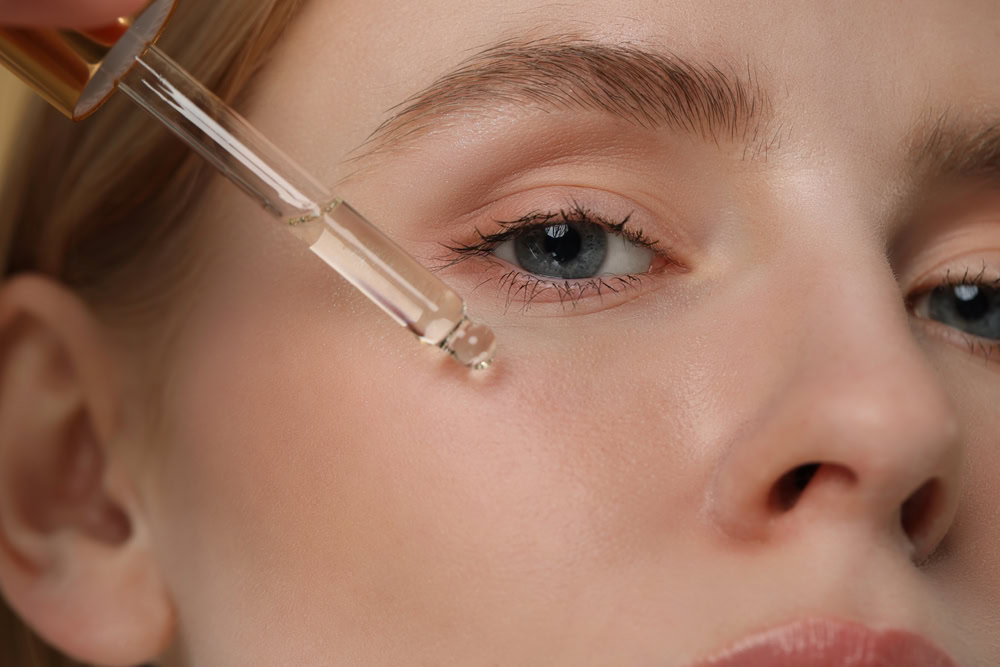
The fix isn’t complicated, but it does require understanding what’s actually happening. A lightweight, non-comedogenic moisturizer used consistently — even when your skin feels oily — helps stabilize the skin’s barrier and reduce that rebound oil production. You’re not adding grease; you’re telling your skin it doesn’t need to produce more on its own.
Swapping a heavy cleanser for a gentle, gel-based formula twice daily goes a long way too. Washing more than twice doesn’t control oil — it aggravates it. And if you’re not using an antioxidant serum in the morning, summer in Wake County is a good reason to start. The UV exposure here is year-round and significant, and antioxidants help neutralize the free radical damage that accumulates even on days you think you’re protected.
The Sunscreen Reality for Anyone Living in the Raleigh–Wake Forest Area
Wake County gets more than 200 sunny days a year. June carries the highest UV index of any month, averaging a maximum of 7 — which is classified as high and is the threshold where unprotected skin starts accumulating damage quickly. Unlike what a lot of people assume, UV radiation doesn’t disappear behind clouds. It penetrates overcast skies consistently enough that skipping sunscreen on a grey day is still a risk.
The dermatological standard is broad-spectrum SPF 30 at minimum, reapplied every two hours during outdoor activity. That’s not aggressive — it’s the baseline. In a market like Wake County, where you’re outdoors for school drop-offs, weekend activities, lunch breaks, and the general business of living in a growing suburban community, daily SPF is less of a summer habit and more of a year-round necessity.
One thing worth knowing: sunscreen residue left on the skin overnight — especially a heavier, chemical formula — can contribute to clogged pores when your skin is already producing more oil in the heat. A thorough cleanse at the end of the day matters more in summer than in any other season. Some people find that double cleansing (an oil-based cleanser followed by a gel cleanser) helps remove sunscreen and sweat buildup more completely than a single wash.
If you’ve noticed sun spots, uneven tone, or a general dullness creeping in over the past few summers, that’s photoaging — UV damage that accumulates gradually and becomes more visible over time. It doesn’t reverse on its own, and no SPF, however diligent, undoes damage that’s already there. That’s where professional treatment enters the picture, which we’ll get into shortly.
Humid Climate Skincare: When Your Home Routine Isn't Enough
A solid home routine handles maintenance. It keeps your skin stable, protects it from daily environmental stress, and slows down the accumulation of damage. What it can’t do is reverse concerns that have already taken hold — clogged pores at depth, active hyperpigmentation, sun damage, or the kind of texture and tone issues that build up over months of high-UV summers in Wake County.
That’s not a knock on home care. It’s just the honest limit of what topical products can reach on their own. Professional treatments work at a different level — and in a humid climate like ours, the right treatments at the right time make a meaningful difference.
Which Professional Treatments Actually Make Sense for a Wake County Summer
Not every professional treatment is appropriate in the middle of summer, and we’ll tell you that upfront. Deep chemical peels and aggressive resurfacing treatments are generally better scheduled for fall and winter, when UV exposure is lower and your skin has more time to recover without the risk of sun-induced complications. Summer isn’t the season to push your skin’s limits with something highly ablative.
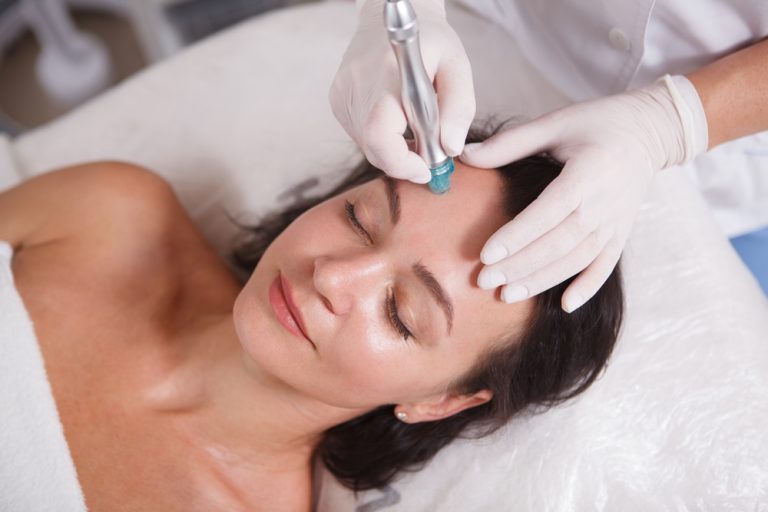
What summer is well-suited for is hydration-focused, pore-clearing treatment — and that’s exactly where HydraFacial excels. It combines deep cleansing, gentle exfoliation, extraction, and targeted hydration delivery in a single session, with no downtime. You can come in during a lunch break and return to your day without your skin looking like you just had a procedure. In a season where pores are working overtime and the skin is simultaneously oily and dehydrated, it addresses both sides of that equation in one treatment.
IPL, or intense pulsed light, is another option worth discussing for clients dealing with sun spots and uneven tone that have accumulated over previous summers. It requires a careful approach during peak UV months — consistent, diligent SPF use before and after is non-negotiable — but it’s not off the table in summer for the right candidate. Dermaplaning is another treatment we offer that pairs well with summer skincare: it removes the layer of dead skin cells and vellus hair that can trap sweat and product residue, improving both the texture of your skin and the effectiveness of everything you apply afterward.
The key is that the right treatment depends on your specific skin, your current concerns, and how much sun exposure you’re getting. That’s not something a generic protocol can determine — it requires an actual assessment.
Seasonal Skincare Routine: Adjusting Your Plan as Wake County Weather Shifts
Summer in Wake County doesn’t end cleanly. September still brings heat and humidity, and the UV index remains elevated well into fall. That transition period — late summer into early fall — is actually one of the most important windows for addressing the damage that accumulated over the previous months. Sun spots, texture irregularities, and hyperpigmentation respond better to treatment when UV exposure starts to decrease and your skin isn’t under as much environmental stress.
If you’ve been conservative with professional treatments during peak summer, fall is when more intensive options become appropriate again. Chemical peels, microneedling, and more aggressive resurfacing treatments are typically scheduled for this window — and booking ahead of the fall season, rather than waiting until you’re in it, means your skin has the best chance of recovering and responding well.
Spring carries its own considerations in the Research Triangle. The area is well known for its pollen season — particularly the heavy pine pollen that blankets everything in late March and April. For people with sensitive or reactive skin, that environmental load can leave the skin irritated and compromised heading into summer. If your skin was already in a reactive state when the heat arrived, that explains some of the breakouts and sensitivity you might have noticed early in the season.
Thinking about your skincare in seasonal terms — not just product-by-product — is how you stay ahead of these cycles rather than constantly reacting to them. A professional skin evaluation once or twice a year gives you a clear picture of where your skin actually is, what concerns are developing beneath the surface, and how to adjust your approach before problems become visible. That kind of proactive planning is what separates a routine that maintains your skin from one that genuinely improves it over time.
Where to Start With Your Summer Skincare Routine in Wake County, NC
The most important takeaway here is that your skin’s behavior in a Wake County summer isn’t random — it’s a direct response to a specific climate, and it responds to a specific kind of care. Adjusting your home routine for humidity and UV exposure goes a long way. But understanding where professional treatment fits into that picture, and when to pursue it, is what moves the needle on the concerns that topical products can’t reach on their own.
If you’re not sure where your skin actually stands — or you’ve been cycling through products without seeing real progress — a free consultation is the lowest-risk place to start. No commitment, no pressure, just a genuine assessment of your skin and an honest conversation about what would actually help.
We serve clients across Wake Forest, Raleigh, Durham, Chapel Hill, and 22+ communities throughout Wake County. If you’re ready to stop guessing and start with a plan built for where you live, we’d be glad to help.