Summary:
You’ve tried the serums. Maybe you’ve done a peel or two. The dark spots faded — and then, a few months later, there they were again. It’s one of the most frustrating cycles in skincare, and it’s more common than you’d think. The problem usually isn’t the treatment itself. It’s that most treatments address the spot you can see without touching the reason it formed in the first place. This guide explains what’s actually driving your hyperpigmentation, what the most effective treatment options look like, and why getting this right depends heavily on your skin tone and the specific triggers your skin is dealing with.
Why Dark Spots Keep Coming Back After Treatment
Hyperpigmentation isn’t a single condition — it’s a symptom. Your skin produces melanin (the pigment that gives it color) as a protective response to inflammation, UV exposure, hormonal shifts, or injury. When something triggers that response repeatedly, the spots keep coming back even after you’ve treated them.
Sun exposure is the most common ongoing trigger. If you’re treating dark spots but skipping daily sunscreen, you’re essentially refilling a bucket while leaving the tap running. But sun isn’t the only culprit. Hormonal fluctuations — from pregnancy, birth control, or natural cycles — can drive a type of pigmentation called melasma that’s notoriously stubborn. Post-inflammatory hyperpigmentation, or PIH, comes back every time the skin experiences new inflammation, whether that’s an acne breakout, a bug bite, or a minor injury.
The short version: dark spots recur when the trigger isn’t addressed alongside the treatment. That’s the piece most people — and many providers — miss.
Post-Inflammatory Hyperpigmentation From Bug Bites and Mosquito Bites in Wake County
If you live in Wake County, you know the mosquito season is no joke. From late spring through October, outdoor time in Raleigh, Wake Forest, Rolesville, Garner, and surrounding communities means real exposure — and for many people, especially those with medium to deep skin tones, a single mosquito bite can leave a dark mark that lingers for months.
This is post-inflammatory hyperpigmentation triggered by the skin’s immune response to the bite itself. The inflammation causes melanocytes — the cells responsible for pigment production — to go into overdrive. In melanin-rich skin, those cells are more reactive, which is why the same bite that leaves no trace on fair skin can leave a visible dark spot on darker skin for six months or longer without treatment.
The same mechanism applies to any skin irritation: eczema flares, allergic reactions to the Triangle’s notoriously high pollen counts, minor cuts, or burns. The skin treats all of these as injury events, and the pigment response follows.
What makes PIH from bug bites and environmental triggers different from sun damage is that the spots tend to be scattered, irregular, and tied directly to seasons and activities. People who spend time outdoors at Falls Lake, on the greenways, or at weekend sports leagues often accumulate new PIH spots faster than older ones can fade. Treating the visible spots without protecting the skin from future inflammation just restarts the cycle.
Effective PIH treatment for these kinds of triggers involves both addressing the existing pigmentation and building a protocol that reduces the inflammatory response going forward. That’s not something a single over-the-counter serum can accomplish, and it’s one of the reasons professional treatment with a provider who understands the full picture makes a meaningful difference.
Burns — even minor ones from hot water, a curling iron, or a cooking splash — can leave behind pigmentation that’s surprisingly persistent. Post-burn hyperpigmentation follows the same basic pathway as other forms of PIH: the skin’s inflammatory response triggers excess melanin production at the site of injury, and that melanin can remain long after the wound has healed.
For people with darker skin tones, this is a particularly common frustration. The same burn that heals cleanly on fair skin often leaves a lasting dark mark on melanin-rich skin, sometimes for a year or more without targeted treatment. And because the skin in the affected area has already been stressed, aggressive treatment approaches — like high-intensity lasers or strong ablative peels — can actually worsen the pigmentation rather than improve it.
The right approach to post-burn hyperpigmentation depends on how deep the original injury was, how the skin healed, and what the client’s skin tone and type look like. Microneedling is often a strong option here because it stimulates collagen and cellular turnover without introducing the heat or light energy that can trigger additional melanin production. When paired with brightening serums — ingredients like tranexamic acid, vitamin C, or kojic acid — microneedling can reach the deeper layers of pigmentation that topical products alone can’t touch.
Chemical peels can also be effective for post-burn pigmentation, particularly medium-depth options like the VI Peel, which is formulated to be safe across a wide range of skin types including darker tones. The key is matching the treatment to the specific situation — which is exactly why a thorough consultation before any treatment isn’t just a formality. It’s the foundation of a protocol that actually works.
Hyperpigmentation Treatment for Black Skin and Skin of Color
This is where the conversation gets genuinely important — and where a lot of providers fall short. Hyperpigmentation is significantly more common in people with medium to deep skin tones, and the stakes of getting treatment wrong are higher. Certain laser treatments and aggressive peels that work well on fair skin can actually trigger additional darkening in melanin-rich skin, leaving clients worse off than when they started.
Wake County’s population is diverse. A meaningful share of residents in Raleigh, Wake Forest, Garner, Knightdale, and surrounding communities have skin of color — and many have had the experience of being told a treatment “isn’t suitable” for their skin type, or worse, going through a treatment that made things worse. Specializing in skin of color isn’t a marketing phrase. It requires specific training, specific protocols, and the kind of case experience that only comes from treating a wide range of Fitzpatrick skin types over time.
Why IPL for Hyperpigmentation Isn't Always the Right Choice for Darker Skin
IPL — Intense Pulsed Light — is one of the most commonly offered treatments for hyperpigmentation, and it works well for certain clients. The light energy targets pigmented cells and breaks them up, which can produce noticeable results for sun spots, solar lentigines, and surface-level discoloration. For fair to medium skin tones with the right type of pigmentation, it can be an effective tool.
The problem is that IPL is not universally safe across all skin tones. The American Society for Dermatologic Surgery notes that IPL works best for people with lighter complexions. In darker skin, the light energy can be absorbed by the melanin in surrounding healthy skin — not just the pigmented target areas — which can cause additional darkening, uneven results, or surface burns. For someone with deeper skin who’s already dealing with frustrating hyperpigmentation, that’s a serious risk.
This doesn’t mean IPL is off the table for everyone with a medium complexion. But it does mean that the decision to use it — or not — should be made by a provider who genuinely understands how different skin tones respond to light-based treatments, not one who applies the same protocol to every client. If you’ve been told IPL is your best option and you have a deeper skin tone, it’s worth having a real conversation about whether that’s actually the case for your skin.
For many clients with skin of color, non-light-based treatments like microneedling, carefully selected chemical peels, and targeted topical protocols will deliver better results with a much lower risk of making things worse. The goal is always to reduce pigmentation — not create new problems in the process.
The short answer is: it depends on the type of pigmentation, the depth of the discoloration, and what’s causing it. But there are approaches that consistently perform well for darker skin tones when applied correctly.
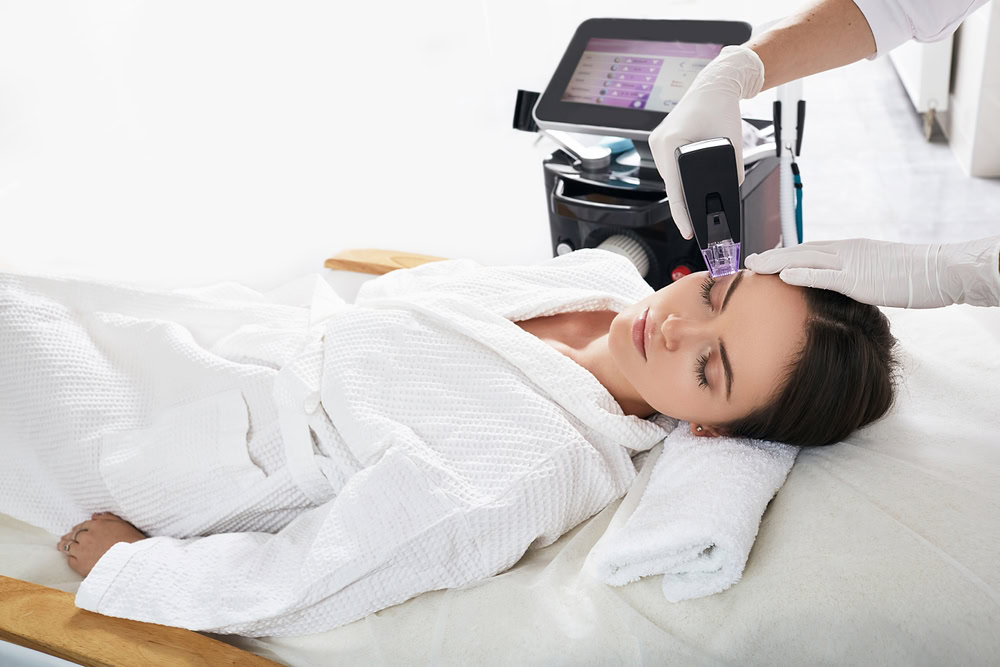
Microneedling is one of the most reliably safe options for melanin-rich skin. Because it works through controlled micro-injuries that stimulate the skin’s natural repair process — rather than heat or light — it doesn’t carry the same risk of triggering additional melanin production. When combined with brightening serums infused during the treatment, it can address both surface and deeper pigmentation in a way that topicals alone simply can’t replicate. SkinPen microneedling and Morpheus8 RF Microneedling are both options we use, and the right choice depends on what the skin needs.
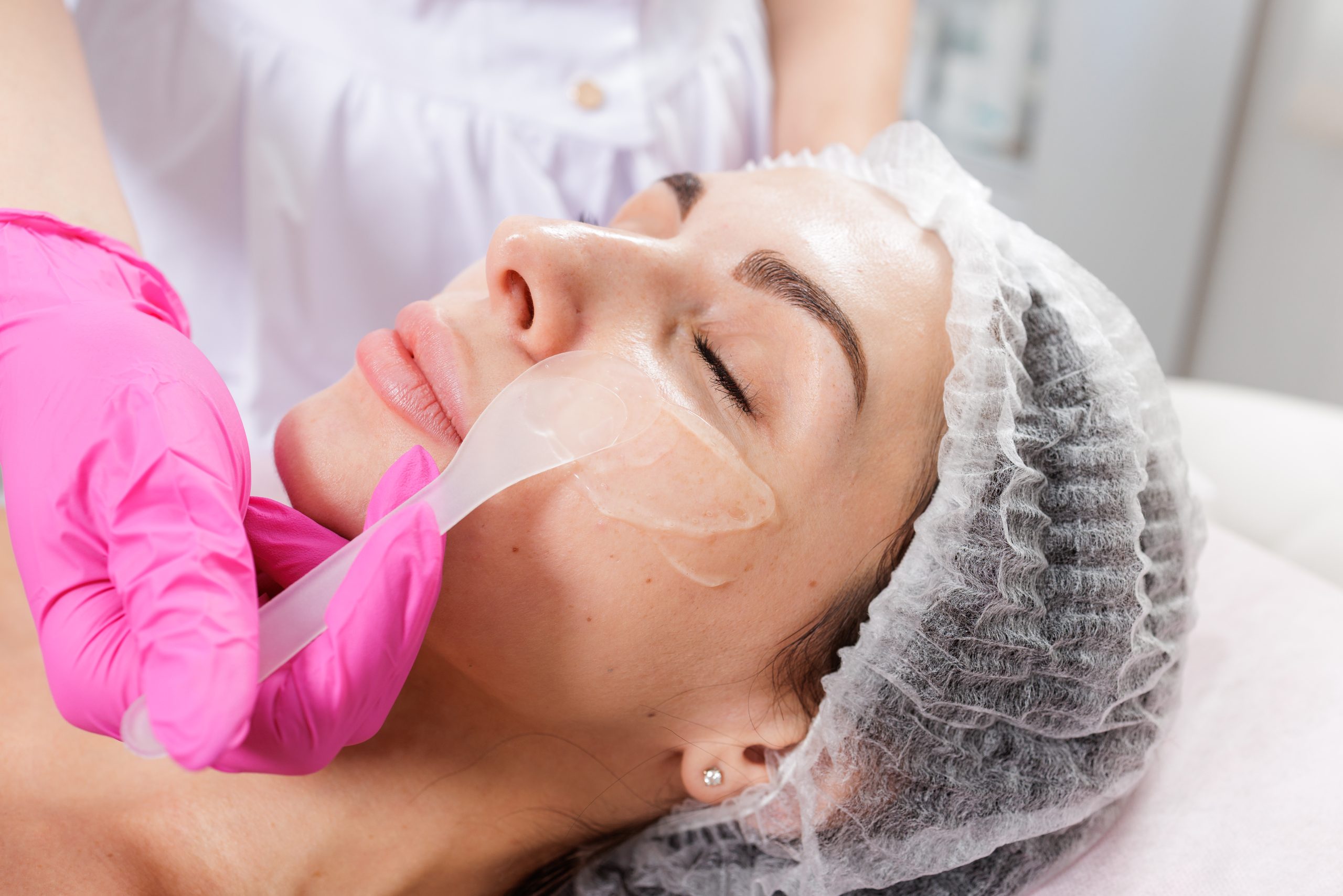
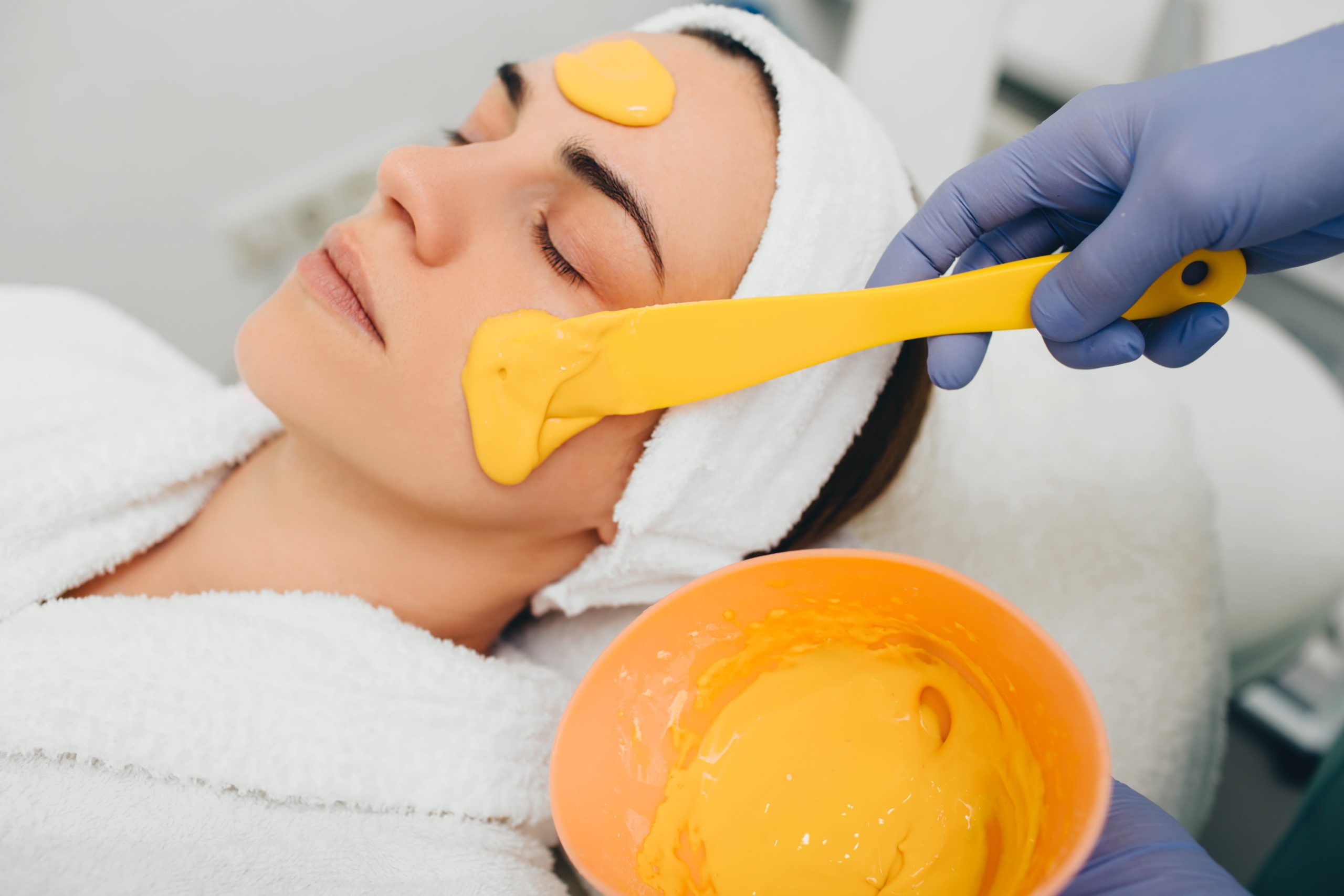
Chemical peels, when selected carefully, are also highly effective for skin of color. The VI Peel is formulated to work safely across all skin types, including deeper tones, and it can produce meaningful results for post-inflammatory hyperpigmentation, melasma, and sun damage. The key word is “carefully” — the depth of the peel, the specific formula, and the aftercare protocol all need to be matched to the individual’s skin.
For clients who are looking for natural or gentler approaches, maintaining consistent sun protection with a broad-spectrum SPF — ideally a tinted formula with iron oxides, which also blocks blue light from screens — is genuinely one of the most impactful things you can do to prevent new pigmentation and protect existing treatment results. It’s not glamorous advice, but it’s accurate. Professional treatments work better and last longer when the skin isn’t being re-exposed to the triggers that caused the problem in the first place.
What we don’t do is apply a single protocol to everyone and hope for the best. Every client who comes to us starts with a thorough skin evaluation and consultation. That’s not a formality — it’s how we figure out what your skin actually needs, which treatments are appropriate for your tone and type, and what a realistic timeline for results looks like.
Finding the Best Hyperpigmentation Treatment in Wake County, NC
If dark spots keep coming back after treatment, the treatment plan — not your skin — is likely the problem. Effective hyperpigmentation treatment means identifying the right type, matching it to your specific skin tone, and addressing the triggers that cause recurrence. That looks different for every person, which is exactly why a one-size-fits-all approach rarely holds up over time.
Jacqueline Grace placed first in Pigmentation Artist of the Year at The Skin Games — an international esthetics competition — and has been named Best Esthetician in Wake County three consecutive years. That’s not background noise. It reflects a level of case experience and specialized training in pigmentation and skin of color that’s genuinely uncommon in this market.
If you’re in Wake County and you’re tired of watching dark spots return, we offer free consultations to help you understand what’s actually happening with your skin and what a realistic treatment path looks like. No pressure, no package pitch — just a real conversation about your skin.
—
**What’s the cost of laser hyperpigmentation removal in Wake County?** Laser treatments for hyperpigmentation vary widely in cost depending on the type of laser used, the number of sessions needed, and the provider. Because we don’t publish a fixed price list — and because the right treatment for your skin may not be laser at all — the most useful first step is a free consultation where we can assess your skin and walk you through which options make sense for your specific situation. Many clients in Wake County find that microneedling or chemical peels deliver better results than laser for their skin tone, which often changes the cost equation entirely.
**Should I see a dermatologist or an esthetician for hyperpigmentation?** A dermatologist is the right call when there’s a medical condition involved — suspected skin cancer, a prescription-strength treatment requirement, or a diagnosis that needs a physician’s eye. For cosmetic hyperpigmentation — dark spots from sun exposure, acne, bug bites, hormonal changes, or injury — a highly trained esthetician operating under physician oversight can deliver results that are just as meaningful, often with a more personalized experience. We operate with a named medical director, Dr. Joseph Hummel, which means the clinical oversight is there when it matters.
**Can hyperpigmentation after a mosquito bite be treated professionally in Wake County?** Yes — and in Wake County, where mosquito season runs from roughly May through October, this is a more common concern than most people realize. Post-inflammatory hyperpigmentation from insect bites responds well to microneedling with brightening serums and, in some cases, carefully selected chemical peels. The earlier treatment begins after the bite heals, the faster the results tend to come. Waiting for it to fade on its own can mean living with the mark for a year or more, particularly for deeper skin tones. We’ve treated dozens of Wake County residents for exactly this issue.
**What’s the difference between microneedling and a chemical peel?** Microneedling uses fine needles to create controlled micro-channels in the skin, stimulating collagen production and allowing brightening serums to penetrate deeper than they could topically. It doesn’t use heat or light, making it one of the safest options across all skin tones. A chemical peel uses a solution — the strength and formula vary — to remove the outer layers of skin and encourage cell turnover. Peels tend to work faster on surface-level pigmentation, while microneedling is often better suited for deeper or more stubborn discoloration. The right choice depends on your skin type, the depth of your pigmentation, and your tolerance for downtime.
**Is microdermabrasion, microneedling, or chemical peel better for dark spots?** Microdermabrasion works at the surface level — it’s a good option for mild pigmentation and general dullness, but it doesn’t reach the depth needed for more stubborn dark spots. Microneedling and chemical peels both penetrate more deeply and tend to produce more significant results for hyperpigmentation. Between those two, the better choice depends on your skin tone and the type of pigmentation you’re dealing with. For clients with darker skin tones, microneedling is often the safer starting point. A consultation will give you a clearer answer based on what your skin actually looks like.