Summary:
You’ve done your research, read the reviews, and found a few options. But there’s still that nagging question in the back of your mind — how do you actually know if a medical spa is operating the way it’s supposed to? It’s not a paranoid question. North Carolina has specific laws governing how medical spas must be structured, who can perform what treatments, and what kind of physician oversight has to be in place. Most patients never learn any of this until something goes wrong. This guide walks you through what the law requires, what red flags look like in practice, and what it means to choose a provider in Wake County who takes compliance seriously.
Medical Spa Licensing Requirements in NC
North Carolina is one of the stricter states when it comes to how medical spas are allowed to operate. The foundation of that framework is something called the Corporate Practice of Medicine Doctrine — CPOM for short — which restricts who can legally own a medical practice in this state. Only licensed physicians (MDs or DOs) can fully own a medical spa in NC. Registered nurses cannot own one outright. Physician assistants can co-own only when a physician is part of the structure. That’s not a technicality. It’s a law that exists specifically to protect patients from profit-driven decisions being made by people without medical training.
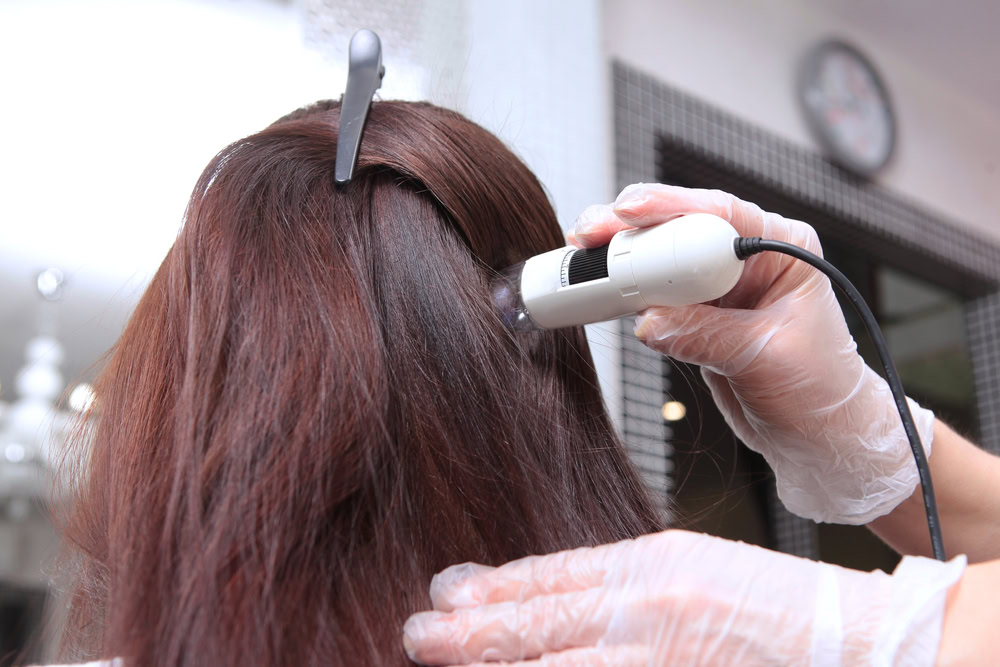
Beyond ownership, NC requires that a physical assessment be completed by a licensed physician, PA, or APRN before any cosmetic procedure is performed. That means a legitimate med spa in Wake County isn’t just handing you a form and pointing you toward a treatment room — someone with medical credentials is evaluating whether a given procedure is appropriate for you before it happens.
Medical Aesthetics Laws: Who Can Legally Perform Which Treatments in NC
This is where a lot of patient confusion lives, and it’s worth being specific. In North Carolina, the scope of practice for each type of provider is clearly defined — and the treatments they’re allowed to perform are not interchangeable.
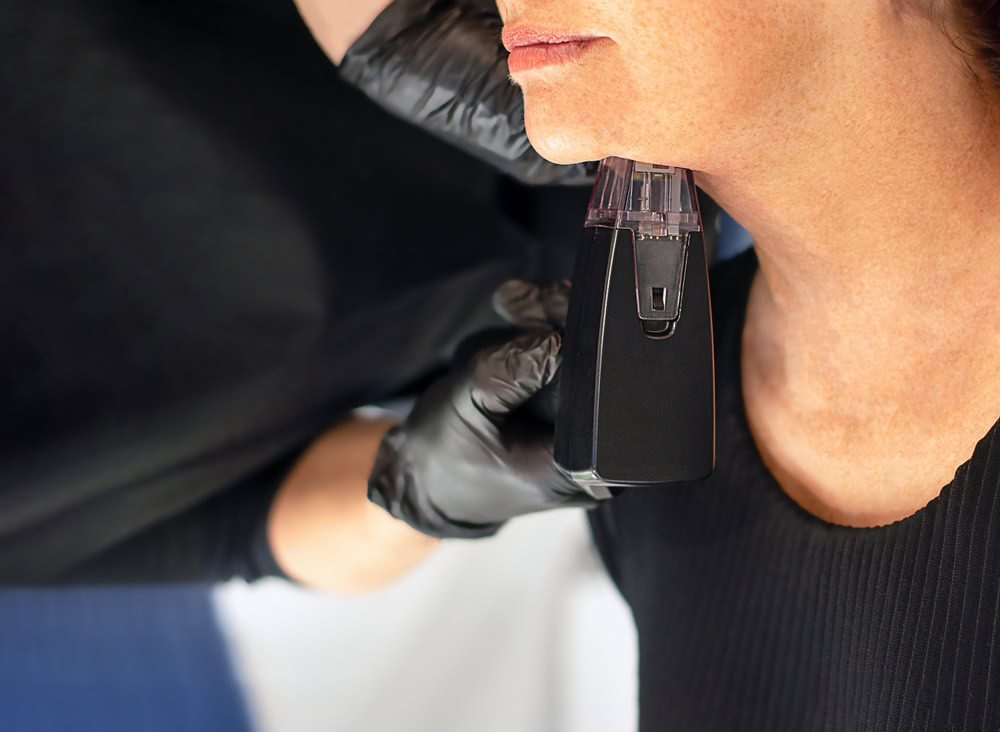
Licensed estheticians can legally perform microneedling, dermaplaning, microdermabrasion, chemical peels, and cosmetic facials. These are not “lesser” treatments — they’re the backbone of most medical aesthetics practices, and a skilled esthetician with the right training can produce genuinely impressive results. What a licensed esthetician cannot do is prescribe or administer Botox, dermal fillers, or any injectable treatment. Those services require a licensed physician, nurse practitioner, or physician assistant.
That distinction matters more than most people realize. In a compliant practice, an esthetician and a medical provider work alongside each other — the esthetician handles the treatments within their licensed scope, and the medical provider handles anything that crosses into medical territory. When that structure isn’t in place, you may be receiving a medical procedure from someone who isn’t legally authorized to perform it.
Cosmetic laser treatments are another area where the rules are specific. In NC, laser procedures must be performed by a physician or properly supervised and trained individual operating under a physician’s delegated authority. “Properly supervised” isn’t vague here — it means documented protocols, a named supervising physician, and a clear chain of accountability.
The reason these rules exist isn’t bureaucratic. Improperly administered laser treatments can cause burns and permanent pigmentation changes. Injectables administered without medical training can cause vascular occlusion — a serious complication that requires immediate medical intervention. The licensing framework is designed to make sure the person holding the device or syringe actually knows what they’re doing and has the training to handle what can go wrong.
What a Medical Director Actually Does — and Why It's Not Just a Name on a Contract
You’ll sometimes see med spas list a “medical director” without much explanation of who that person is or what they actually do. Under North Carolina law, a medical director isn’t just a compliance checkbox. They’re required to be actively involved in the practice — reviewing protocols, overseeing medical procedures, and taking genuine responsibility for patient care.
A physician whose name appears on a wall but who has no real involvement in the day-to-day operation of a med spa is a red flag, not a trust signal. NC regulatory boards have been increasing their investigations into exactly this kind of arrangement, specifically targeting practices where medical oversight exists on paper but not in practice.
What you want to see is a named, verifiable physician who is part of the ownership or operational structure — not just a contracted signature. You can verify a physician’s license through the NC Medical Board’s public lookup tool. That’s not an invasive ask. It’s a reasonable step before someone performs a medical procedure on your face.
At our practice, Dr. Joseph Hummel serves as both owner and supervising physician. That’s a meaningful distinction. His involvement isn’t nominal — it’s structural. We built our practice around proper physician oversight from the start, not retrofitted to meet a compliance requirement after the fact. For patients receiving injectables or laser treatments, that structure is exactly what NC law requires and what patient safety depends on.
Aesthetic Clinic Regulations: What Patients Should Know Before Booking
Knowing the rules is one thing. Knowing how to apply them when you’re evaluating a specific provider is another. The gap between a compliant practice and a non-compliant one isn’t always obvious from the outside — a professional website and a nice Instagram presence don’t tell you much about what’s actually happening inside the business.
There are practical things you can look for and specific questions you can ask that will tell you far more than any marketing material. A provider who takes compliance seriously will answer these questions without hesitation. One who doesn’t may get defensive or vague — and that’s information too.
How to Verify a Medical Spa's Compliance in Wake County, NC
Start with the basics. Ask who owns the practice and whether a licensed physician is part of the ownership structure. Ask for the name of the supervising physician and look them up through the NC Medical Board’s online license verification tool. This takes about two minutes and gives you independently confirmed information rather than a provider’s word for it.
Ask who will be performing your specific treatment and what their license or certification is. For injectable treatments in Wake County, you want to confirm that the person administering Botox or fillers is a licensed physician, nurse practitioner, or physician assistant — not an esthetician or an unlicensed staff member. For laser treatments, ask about the supervision protocol and who the delegating physician is.
For esthetician-performed services like microneedling, dermaplaning, or HydraFacial, you can verify the esthetician’s license through the NC State Board of Cosmetic Art Examiners. Treatment-specific certifications — like HydraFacial’s tiered certification program — are worth asking about too. There’s a meaningful difference between a provider who attended a one-day training and one who holds Master Certification, which represents the highest level of credential available through the HydraFacial program. Jacqueline Grace on our team holds that certification — it’s verifiable directly through the HydraFacial brand, not just a claim on a website.
Wake County’s medical aesthetics market has grown significantly as the region has expanded. More providers means more options, but it also means more variation in how seriously different practices take their compliance obligations. The NC Board of Nursing and NC Medical Board have both increased their investigative activity targeting med spas across the state, with most cases involving unauthorized practice of medicine or practitioners operating outside their licensed scope. That enforcement trend is active right now — and it reflects real risk for patients who don’t know what to look for.
Red Flags That a Medical Spa May Not Be Operating Within NC Regulations
Some warning signs are subtle. Others are fairly obvious once you know what you’re looking for. A practice with no named, verifiable physician in the ownership or supervisory structure is the most significant red flag — full stop. In North Carolina, that’s not optional. If no physician is involved and the practice is offering injectables or laser treatments, something is wrong with the compliance picture.
Pricing that’s dramatically below market rate is worth pausing on. Legitimate, physician-supervised practices have real overhead — malpractice insurance, physician involvement, proper equipment, and trained staff. When prices are unusually low, it often signals that corners are being cut somewhere in that chain. That doesn’t mean the most expensive option is always the best one, but it does mean that a $79 Botox session from a provider with no visible medical oversight deserves skepticism.
Vague or defensive answers to direct questions about licensing are another signal. A compliant provider can tell you exactly who holds what license, what their certification level is, and who the supervising physician is. If those answers are hard to get, or if the person you’re asking seems irritated by the question, that’s worth taking seriously.
Watch for providers who use the term “HydraFacial” to describe a treatment performed on a machine that isn’t the actual HydraFacial system. HydraFacial is a specific patented technology with its own certification program. Providers who apply that name to knock-off systems are misrepresenting their services — and if they’re willing to mislead on that, it’s reasonable to wonder what else isn’t accurate.
Finally, if a practice skips the consultation and goes straight to selling you a treatment package, that’s a problem both practically and legally. NC regulations require a physical assessment before any cosmetic procedure. A compliant practice builds that step in as standard — not as an upsell, but as the starting point for every patient relationship.
Choosing a Compliant Medical Spa in Wake County Starts With Knowing What to Ask
North Carolina’s medical spa regulations exist for a reason — and patients who understand them are in a much better position to make good decisions. The short version: physician ownership or oversight is required, practitioners must operate within their licensed scope, and a pre-treatment assessment isn’t optional. Any practice that checks those boxes and can answer your questions directly is worth your time.
Wake County is a growing market, and that growth brings both better options and more noise to sort through. The tools to verify a provider’s credentials are publicly available and genuinely useful — the NC Medical Board, the NC State Board of Cosmetic Art Examiners, and brand-specific certification programs all offer ways to confirm what a provider is telling you.
If you want to start with a provider who’s built compliance into the foundation of how we operate, we offer free consultations and skin evaluations — no pressure, no packages pushed before anyone’s looked at your skin. It’s the right first step, and it’s the legally correct one too.