Summary:
You’ve seen the price range — $75 on one end, $150 or more on the other — and you’re trying to figure out what’s actually different. That’s a fair question, and it’s the right one to ask. Dermaplaning isn’t complicated, but the results vary enormously based on who’s doing it and how. Whether you’re brand new to the treatment or you’ve tried it somewhere before and weren’t blown away, this page is here to help you understand what you’re actually paying for — and what to look for in a provider here in Wake Forest.
What Does Dermaplaning Cost in Wake Forest?
Nationally, professional dermaplaning typically runs between $75 and $150 per session as a standalone treatment. Some providers charge more — RealSelf community data puts the average around $133, with higher-end clinics reaching $250 depending on what’s included. As an add-on to another facial, you’ll often see it priced around $40 to $50.
In Wake Forest, pricing generally falls in line with those national averages. What varies isn’t just the number — it’s what’s wrapped around the treatment itself. A $75 session at one place and a $150 session somewhere else might both involve a scalpel and 30 minutes of your time, but the experience, the consultation, the post-treatment care, and the expertise behind it can be completely different.
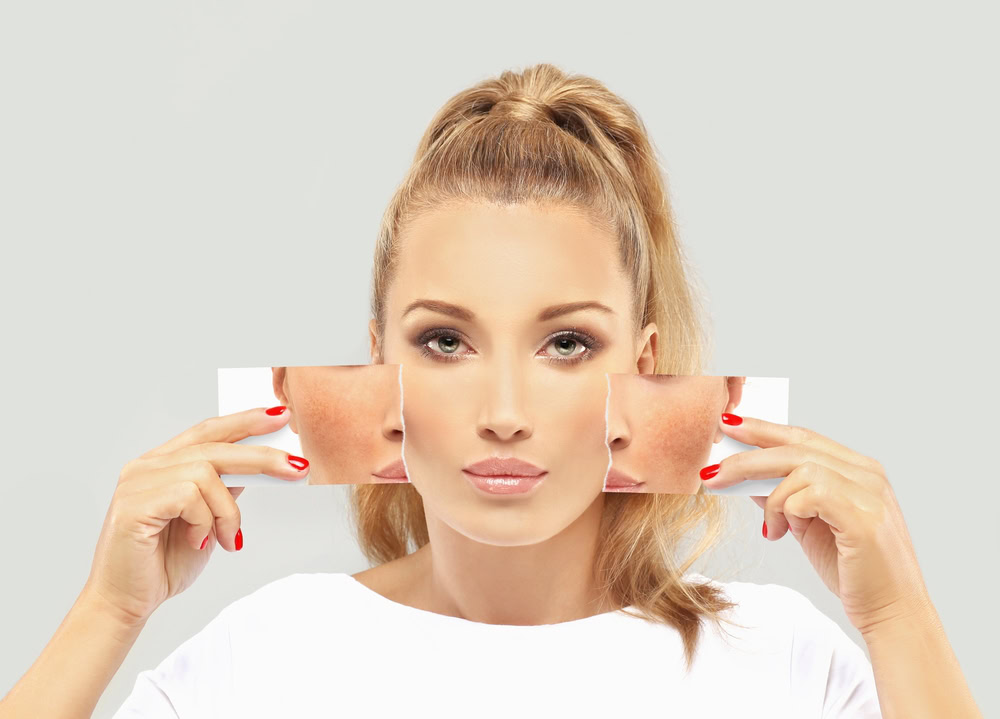
Dermaplaning Before and After: What a Quality Session Actually Includes
Here’s what most cost comparison pages skip over: the price tag is a symptom of what’s included, not an arbitrary number. When you understand what a thorough dermaplaning session covers, the range starts to make a lot more sense.
A quality session starts before the scalpel ever touches your face. It begins with a real consultation — not a quick intake form, but an actual conversation about your skin type, your concerns, and whether dermaplaning is even the right fit for you right now. Active acne breakouts, certain skin conditions, and other factors can make dermaplaning the wrong call on a given day, and a trained provider will tell you that honestly rather than just take your money.
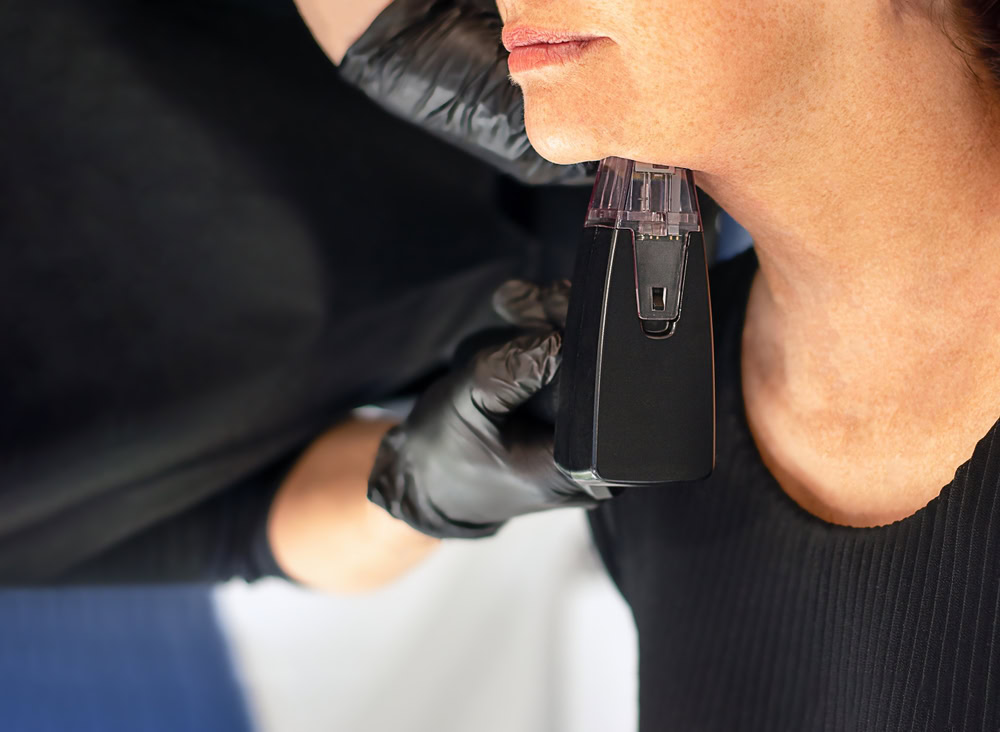
From there, a proper session includes a thorough double cleanse to prepare the skin, the dermaplaning treatment itself using a sterile single-use surgical scalpel held at the correct angle with controlled, deliberate strokes, and then post-treatment serums chosen specifically for your skin — not whatever’s sitting on the shelf. If you have hyperpigmentation, you should be getting something targeted for that. If your skin runs dry, you should be getting hydration. The aftercare matters as much as the treatment.
What you walk out with is immediate. Most clients notice a visible glow the same day. Makeup applies differently — smoother, more even, without catching on dry patches or fine hair. Skincare products you’ve been using for months start performing better because they’re no longer sitting on top of a layer of dead skin cells and vellus hair.
Results from a single session typically last around three weeks, which is why we recommend spacing appointments every three to six weeks for consistent results.
Can You Get the Same Results with an At-Home Dermaplaning Tool?
This comes up constantly, and it’s worth addressing honestly. At-home dermaplaning tools — the ones you’ll find for $10 to $20 online or in beauty stores — are essentially facial razors. They’re not the same instrument, and they’re not used with the same technique. A professional uses a surgical-grade scalpel at a precise angle with controlled pressure and short, deliberate strokes across different zones of the face. That combination of tool, angle, and technique is what produces the results people are actually after.
The DIY versions can remove some surface hair and a thin layer of dead skin, but they don’t reach the same depth or consistency. More importantly, technique errors at home — wrong angle, too much pressure, going over the same area repeatedly — can cause irritation, uneven texture, or micro-nicks that create a pathway for bacteria. If you have any active breakouts, that becomes a real problem.
There’s also the skin-type variable. What works on one complexion can cause issues on another. Clients with darker skin tones or hyperpigmentation need a provider who understands how to adjust technique and post-treatment care accordingly — that’s not something a $15 tool accounts for.
The honest answer is that at-home tools have their place for maintenance, but they’re not a substitute for a professional treatment. The cost difference between a drugstore razor and a professional session reflects a real difference in what you’re getting — not just a premium for the spa experience.
Dermaplaning Benefits: Why Wake Forest Clients Keep Coming Back
Wake Forest’s climate is genuinely hard on skin. The summers are hot and humid, which drives oil production and congestion. Winters bring cold, dry air and indoor heating that strips moisture and leaves skin looking flat. Add in the fact that the Triangle consistently ranks among the worst regions in the country for pollen, and you’ve got year-round conditions that accelerate dead cell buildup and surface dullness.
Regular professional exfoliation isn’t a luxury here — it’s maintenance. Dermaplaning is one of the most effective ways to reset the skin’s surface because it addresses both dead cell accumulation and vellus hair in a single session with zero downtime. You can book it before a work event, a wedding, or a weekend trip and walk out the same day looking noticeably different.
Dermaplaning Near Me: What to Look for in a Wake Forest Provider
Searching “dermaplaning near me” in Wake Forest will return a handful of options. The question isn’t just who’s closest — it’s who’s actually qualified to do this well on your specific skin.
In North Carolina, licensed estheticians were formally authorized to perform dermaplaning under a July 2022 ruling by the NC Board of Cosmetic Art Examiners. That ruling matters because it clarified the legal scope of practice and set a baseline for what “licensed” means in this state. NC requires 600 training hours for esthetician licensure and 8 hours of continuing education annually. That’s the floor. What separates providers is what they’ve done above that floor.
The things worth looking for: Does the provider have specific, verifiable credentials — not just a license, but competition results, advanced certifications, or recognized expertise in treating your particular skin concerns? Do they offer a real consultation before the treatment, or do they just book you and get started? Are they experienced with your skin type? For clients with darker skin tones or hyperpigmentation, this last point isn’t optional. Dermaplaning can be performed safely on most skin tones when the provider has the right training — but not every esthetician does.
At Wake Skincare in Wake Forest, Jacqueline Grace has been named Best Esthetician in Wake County for three consecutive years. She took first place in Pigmentation Artist of the Year at The Skin Games, an international aesthetics competition, and holds HydraFacial Master Certification — placing her among the first 100 practitioners in the world to reach that level. She trained in New York before establishing Wake Skincare in Wake Forest, and she specializes specifically in skin of color, acne, and hyperpigmentation. These aren’t marketing claims — they’re credentials you can look up.
Every new client at Wake Skincare starts with a complimentary skin evaluation and consultation. That first conversation is how we make sure you’re getting the right treatment for your skin, not just the treatment you asked for.
Dermaplane Facial FAQs: What Wake Forest Clients Ask Most
A few questions come up in almost every consultation, and they’re worth answering directly.
**Will the hair grow back thicker or darker?** No. Dermaplaning removes vellus hair — the fine, soft hair on the surface of the skin — at the surface level. It doesn’t affect the follicle, so the hair grows back at the same rate, the same thickness, and the same color. This myth has been around for decades and it’s simply not accurate.
**Does it hurt?** Most clients describe the sensation as a light scratching or scraping — some find it almost relaxing. When performed correctly at the right angle and pressure, there’s no discomfort. Redness is minimal and typically fades within a few hours.
**Is it safe for darker skin tones?** Yes, when the provider has the right training. Dermaplaning doesn’t involve heat or chemicals that interact with melanin the way some other treatments do. For clients in Wake Forest with darker skin tones, the key is having a provider who understands how to customize the post-treatment protocol for your skin — particularly if hyperpigmentation is a concern. This is an area where our specialization makes a real difference for the diverse communities we serve.
**What about combining dermaplaning with other treatments?** Dermaplaning is one of the most effective prep treatments for chemical peels, HydraFacials, and microneedling because removing the surface barrier allows active ingredients and treatment energy to penetrate more deeply. If you’re working toward a longer-term skin goal, dermaplaning can be an important first step in a broader plan — not just a one-off treatment.
**Is it covered by insurance?** No. Dermaplaning is a cosmetic treatment and is entirely out of pocket. That’s exactly why understanding what the investment includes matters before you book.
Is Professional Dermaplaning Worth It in Wake Forest?
For most people, yes — but the value depends almost entirely on who’s doing it. A session with a qualified, experienced provider who customizes the treatment to your skin delivers results that a $15 razor and a YouTube tutorial simply can’t match. The glow is real, the makeup application difference is immediate, and the way your skincare routine performs in the weeks following is noticeably better.
In Wake Forest, where the climate works against you year-round and the market has grown enough to have real options, the choice of provider matters. Credentials, specialization, and a genuine consultation process aren’t extras — they’re what you’re actually paying for when you invest in a professional treatment.
If you’re ready to find out what your skin actually needs, we offer a complimentary consultation for all new clients at Wake Skincare. No pressure, no commitment — just an honest conversation about your skin and what’s going to work for it.