
Summary:
You’ve tried the cleansers. The spot treatments. The serums with the long ingredient lists. Maybe you’ve cycled through three or four different routines, spent real money on products that promised a lot, and still wake up to the same skin. That’s not a willpower problem or a skincare knowledge problem. It’s a structural one. OTC products are formulated to be safe without professional supervision — which means they’re capped at concentrations that can only go so far. When acne is persistent, adult-onset, or tied to hormones, that ceiling matters. Here’s what’s actually happening, and what professional acne treatment can do that the drugstore aisle simply can’t.
Why OTC Acne Products Stop Working — and What's Missing
Acne isn’t one thing. It’s the result of several things happening at once — excess oil production, clogged follicles, bacteria, inflammation, and often hormonal fluctuations — and most OTC products are designed to address one or two of those factors at a time. Benzoyl peroxide targets bacteria. Salicylic acid helps unclog pores. Retinol speeds up cell turnover. Each of these can help at the surface level, but none of them work together in the coordinated way that a professional treatment plan does.
There’s also the concentration issue. The FDA requires that OTC acne products be formulated at concentrations safe for unsupervised use. That’s a reasonable regulatory design — but it means the active ingredients in your drugstore cleanser are present at lower levels than what’s used in a clinical setting. It’s not that the products are bad. It’s that they’re built for a different purpose than what many persistent acne sufferers actually need.
Acne Treatment for Adults: Why It's a Different Problem Entirely
Here’s something most acne content gets wrong: it’s written for teenagers. The assumption is that acne is a phase, driven by puberty-related oil production, and that it resolves on its own. For roughly 40% of adults, that’s not the reality. Adult acne is real, it’s common, and it responds to different triggers than teenage acne does.
In adults — particularly women, who make up over 62% of the U.S. acne treatment market — breakouts are frequently tied to hormonal fluctuations, stress, lifestyle factors, and environmental conditions. Wake County’s climate plays into this more than people realize. The Triangle’s hot, humid summers create the exact conditions for excess sebum production and clogged pores, and the area’s notoriously heavy pollen seasons add another layer of environmental irritation to already-stressed skin. OTC products formulated to manage a teenager’s oil production aren’t designed for this.
Adult acne also tends to cluster differently — along the jawline, chin, and neck rather than the forehead and nose — and it often appears alongside dryness or sensitivity, which makes aggressive OTC treatments actively counterproductive. Using a high-concentration benzoyl peroxide wash on already-compromised skin can strip the barrier, trigger rebound oil production, and make breakouts worse. We see this pattern regularly in clients who come in after months of frustrated self-treating.
The underlying issue isn’t that these clients didn’t try hard enough. It’s that they were using tools built for a different kind of acne. A professional consultation — one that actually looks at your skin, your history, and your triggers — is often the first time someone understands what’s actually driving their breakouts. That changes everything about how you treat it.
Hormonal Acne Treatment: What Actually Helps When Products Don't
Hormonal acne is one of the most common reasons adults end up in our chair after years of OTC cycling. It’s also one of the most misunderstood. If your breakouts follow a pattern — flaring predictably around your cycle, during periods of high stress, or after hormonal changes like stopping birth control or entering perimenopause — that’s a signal that the root cause is internal. No topical product, regardless of how well-formulated it is, can fully address something happening at the hormonal level.
That doesn’t mean professional skincare treatment can’t help. It means the approach has to be smarter. For hormonal acne, a combination strategy tends to work best: professional treatments that reduce active inflammation, clear congestion, and address the skin barrier, paired with a home-care regimen that supports rather than disrupts the skin’s natural function. This is where medical-grade products make a meaningful difference — they’re formulated at concentrations that actually reach the deeper layers of the skin, and they’re selected based on your specific skin type, not a general demographic.
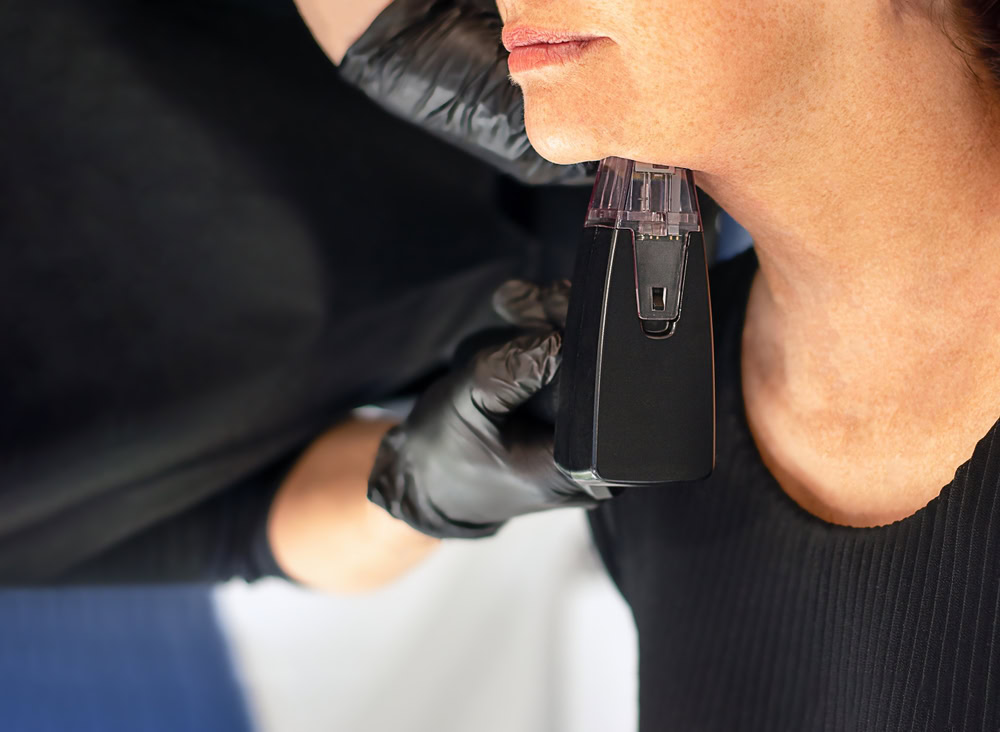
At Wake Skincare, every appointment starts with a thorough consultation. We use the Lumini Beauty Kiosk — an AI-powered skin analysis tool — to evaluate what’s happening beneath the surface: dehydration levels, pore congestion, pigmentation, and texture issues that aren’t always visible to the naked eye. This isn’t a sales step. It’s how we make sure the treatment we recommend is actually right for your skin, not a generic protocol we apply to everyone.
For hormonal acne specifically, treatments like the ZO 3-Step Peel, HydraFacial with targeted boosters, and our customized acne facial can reduce active breakouts, clear congestion, and help stabilize the skin between flare-ups — while we work with you on a home-care plan that supports the results between visits. When the situation calls for it, our medical director provides the clinical oversight needed for more advanced protocols.
What an Acne Facial and Professional Acne Treatment Actually Involve
A standard spa facial and a professional acne facial are not the same thing, and the difference matters. A relaxing facial might include some light exfoliation and a calming mask, and there’s nothing wrong with that — but it’s not designed to address the root causes of persistent acne. A medical-grade acne facial is built differently from the ground up.
Our acne facial at Wake Skincare is designed to directly target what’s driving your breakouts: eliminating the buildup and congestion that creates the environment for acne to form, reducing active inflammation, and supporting the skin’s ability to heal without scarring. Every treatment is customized based on your skin’s actual condition, not a one-size-fits-all menu item.
Acne Scar Treatment: What Professional Options Can Do That Products Can't
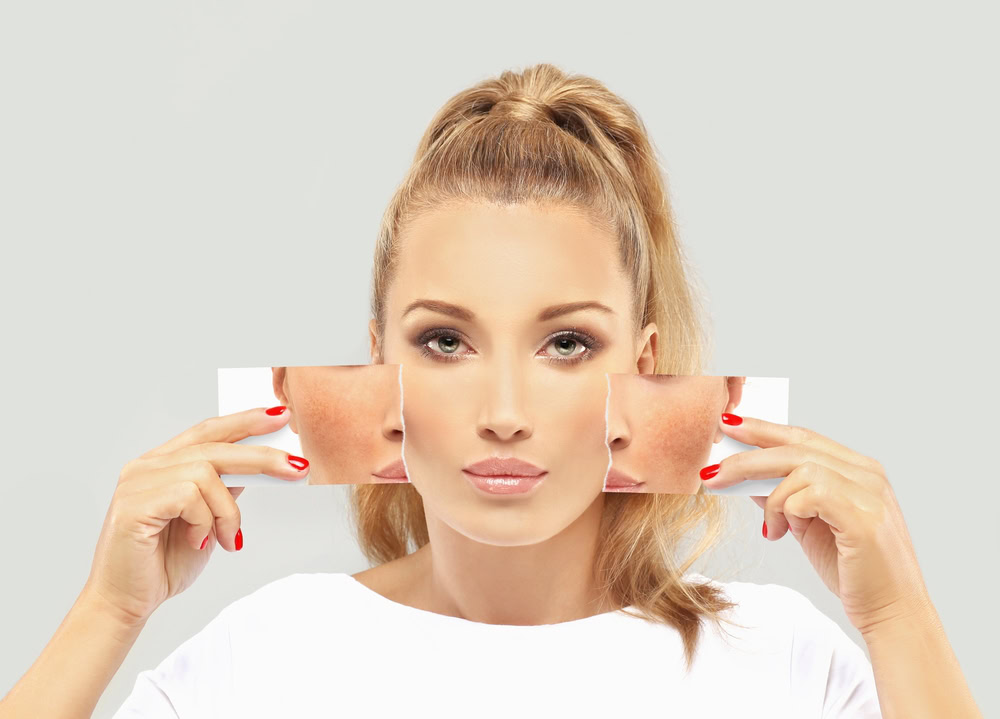
For a lot of acne sufferers, the active breakouts are only half the problem. The dark spots and textural scars left behind — what’s clinically called post-inflammatory hyperpigmentation, or PIH — can linger for months or years after the original blemish has healed. OTC products can provide some surface-level fading over time, but they cannot remodel scar tissue or correct deeper pigmentation changes. That requires professional intervention.
This is an area where Wake Skincare has specific, documented expertise. Jacqueline Grace earned both first and second place in the Pigmentation Artist of the Year category at The Skin Games — an international aesthetics competition where results are judged on real clients, not presentations. Acne and hyperpigmentation are deeply connected, and having a practitioner with that level of recognized pigmentation expertise treating your acne means the scarring that follows is being managed by someone who has proven results in exactly this area.
For acne scar treatment, we offer several clinical options depending on the type and depth of scarring. SkinPen microneedling — the first FDA-cleared microneedling device in the United States — stimulates the skin’s natural collagen production, gradually improving textural scarring and skin tone over a series of treatments. Chemical peels like the ZO 3-Step Peel and BioRePeel address both surface pigmentation and skin texture, accelerating cell turnover and fading post-acne discoloration more effectively than any OTC product can. For more significant pigmentation concerns, Lumecca IPL targets redness and dark spots at a deeper level. Morpheus8, which combines microneedling with radiofrequency energy, is another option for clients dealing with both scarring and skin laxity.
The right choice depends on your specific scarring, your skin tone, and where you are in your acne treatment journey. This is exactly the kind of decision that benefits from a professional assessment rather than guesswork — which is why our free skin consultation exists.
What to Expect When You Come to Wake Skincare in Wake Forest
We get a version of the same question from a lot of new clients: “I’ve tried facials before and they didn’t do much. Why would this be different?” It’s a fair question. The answer usually comes down to what happened before the treatment started.
At Wake Skincare in Wake Forest, NC, every new client begins with a free skin evaluation — not a quick visual once-over, but a real consultation that includes AI-powered analysis with the Lumini Beauty Kiosk. This tool evaluates your skin at a level beyond what’s visible to the naked eye, identifying dehydration, congestion, pigmentation patterns, and texture issues before we recommend anything. The goal is to understand what’s actually happening with your skin so the treatment plan we build is specific to you.
We serve clients from across Wake County — Raleigh, Rolesville, Knightdale, Zebulon, Fuquay-Varina, and beyond — and we see the same patterns in this market that the climate and demographics here create. The Triangle’s heat and humidity are genuine skin stressors. Wake County’s diverse population means we work with a wide range of skin tones, and that matters: treating hyperpigmentation and acne in skin of color requires specific expertise that not every esthetician has. Clients have come to us after having their pigmentation worsened by providers who weren’t trained in this area. It’s one of the things we take seriously.
Jacqueline Grace has been named Best Esthetician in Wake County for three consecutive years — not a self-reported title, but a recurring recognition from the local community. She holds a Master certification in HydraFacial, placing her among the first 100 practitioners in the world to reach that level. Our practice is backed by a medical director based right here in Wake Forest, NC, which means we operate with clinical oversight that a standard esthetics spa cannot offer. When you come in, you’re not getting a generic treatment from a generic spa. You’re getting a professional assessment, a plan built around your skin, and treatments that are actually designed to work.
Is Professional Acne Treatment Worth It? Here's the Honest Answer
If your acne is mild and responding to OTC products, keep doing what’s working. But if you’ve been at this for a while — cycling through products, seeing temporary improvement followed by the same breakouts, or dealing with the dark spots and scarring that follow — then you’ve likely reached the ceiling of what unsupervised treatment can do. That’s not a failure. It’s just information.
Professional acne treatment works differently because it’s designed to. Medical-grade products penetrate deeper. Clinical treatments address multiple causes at once. And a real consultation — one that looks at your actual skin, not a general skin type — changes the entire treatment equation.
If you’re in Wake County and ready to find out what’s actually driving your breakouts, Wake Skincare offers a free skin evaluation to every new client. No guesswork, no pressure — just a clear picture of what your skin needs and what it will take to get there.