Summary:
You’ve probably walked out of a day spa feeling relaxed, maybe a little glowy — and then noticed by day three that your skin looked exactly the same as before you walked in. That’s not a knock on day spas. It’s just that relaxation and skin transformation are two different things, and not every provider is equipped to deliver both.
If you’ve been trying to figure out whether you need a med spa or a day spa, you’re asking the right question. The answer depends on what your skin actually needs — and understanding the difference will help you stop guessing and start seeing results.
What Is a Medical Spa — and How Is It Different from a Day Spa?
A medical spa sits at the intersection of a traditional spa and a licensed medical clinic. We offer aesthetic treatments that go beyond what a day spa is legally or clinically equipped to provide — things like injectables, laser treatments, medical-grade chemical peels, and microneedling performed with clinical-grade devices. The defining feature isn’t the ambiance or the price point. It’s the level of oversight, the products being used, and the scope of what’s permitted.
A day spa, by contrast, is focused on relaxation and general well-being. Facials, massages, waxing, basic exfoliation — these are the core offerings. They’re genuinely valuable for maintenance and stress relief. But they operate under a different licensing framework, use different product formulations, and cannot legally offer medical procedures.
The distinction matters most when your skin concerns go deeper than surface-level. If you’re dealing with acne scarring, melasma, sun damage, or significant texture irregularities, a day spa facial simply isn’t built to address those issues at the root.
What Medical-Grade Skin Care Actually Means (and Why It Matters)
The phrase “medical grade” gets used loosely in the beauty industry, so it’s worth being specific about what it actually means. Medical-grade skincare products contain higher concentrations of active ingredients than anything available over the counter or used in a standard day spa treatment. We’re talking about formulations with prescription-strength retinoids, higher-percentage glycolic and lactic acids, and clinical-grade brightening agents that require professional oversight to use safely and effectively.
This isn’t just a marketing distinction. It’s a regulatory one. These products are only available through licensed medical or clinical channels because they’re potent enough to cause real harm if applied incorrectly — especially on sensitive skin, compromised skin barriers, or melanin-rich complexions where the margin for error is narrower.
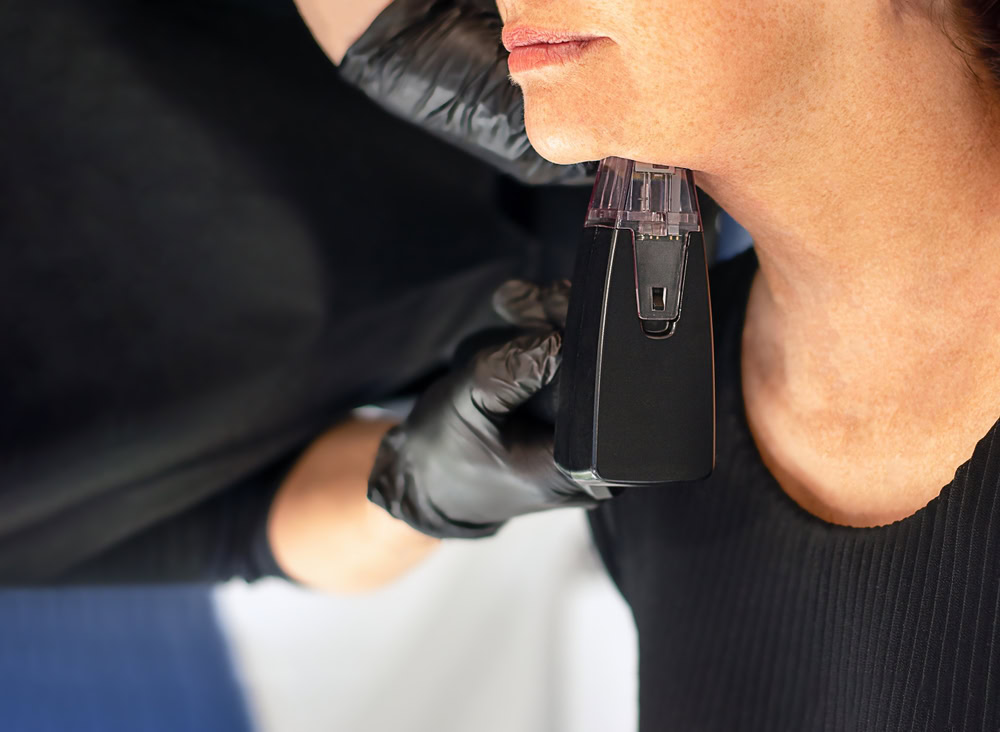
At our med spa, those products are paired with equipment that day spas don’t have access to: devices like SkinPen for microneedling, HydraFacial systems, IPL platforms, and laser technology that operates at clinical parameters. The combination of medical-grade products and clinical equipment is what makes it possible to address concerns that have resisted everything you’ve tried at home or in a traditional spa setting.
There’s also the treatment protocol itself. We don’t just select a service from a menu and apply it. We assess your skin, ask about your health history, note any contraindications, and build a plan around your specific concerns. That process — the clinical intake before the treatment — is part of what separates a med spa experience from a spa facial. In North Carolina, that physical assessment before any cosmetic procedure isn’t optional. It’s a legal requirement.
The practical result of all this is that med spa treatments tend to produce measurable, visible changes — not just a temporary glow that fades by the weekend. If you’ve been frustrated by inconsistent results from spa treatments, the difference often comes down to the depth and specificity of what’s being applied to your skin, and by whom.
Spa Facial Near Me vs. Med Spa Treatment: How to Know Which One You Actually Need
This is the question most people are really trying to answer when they search for skincare options in Wake County, NC. And the honest answer is: it depends on what you’re trying to fix.
If your goal is to decompress, maintain healthy skin between more intensive treatments, or enjoy a relaxing experience without any clinical concerns in mind, a day spa facial is a perfectly reasonable choice. There’s real value in that. Stress reduction affects your skin, and regular maintenance matters.
But if you’re dealing with something specific — acne scars that haven’t responded to topical treatments, hyperpigmentation that comes back no matter what you use, fine lines that have settled in, or sun damage from years of Wake County summers — then a day spa facial isn’t going to move the needle. It’s not designed to. The products aren’t concentrated enough, the equipment isn’t clinical, and the scope of what a day spa esthetician is licensed to do doesn’t extend to those kinds of interventions.
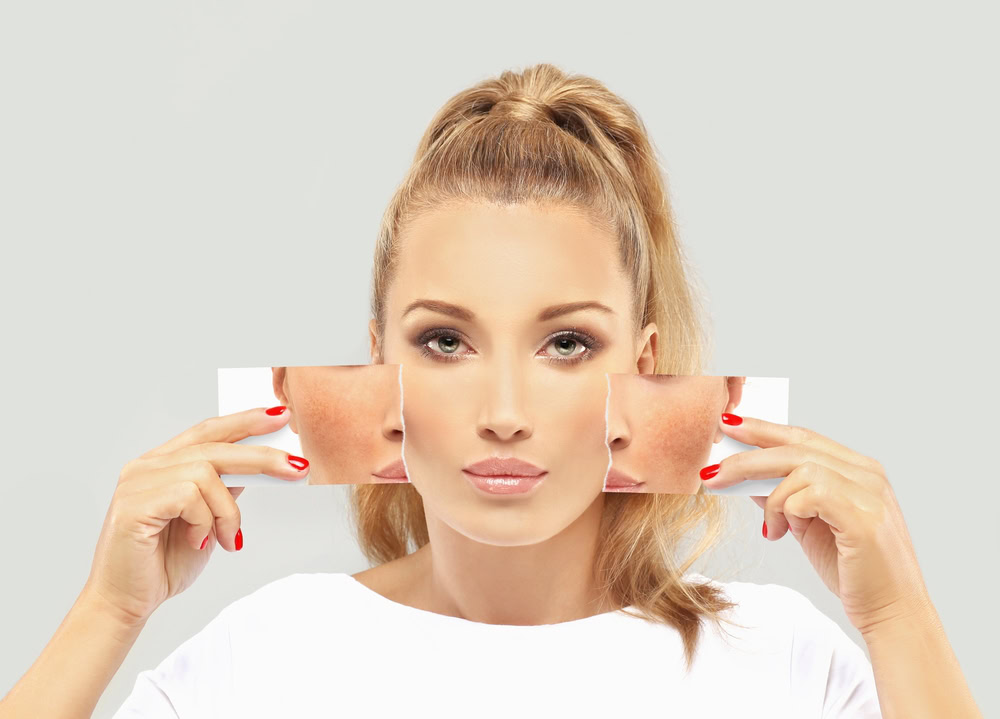
Wake County residents often come to us after spending months — sometimes years — cycling through spa facials and over-the-counter products that provided temporary improvement at best. The frustration is understandable. When you’re dealing with post-inflammatory hyperpigmentation, acne scarring, or persistent uneven texture, surface-level treatments feel like they’re addressing the symptom without touching the cause.
That’s exactly where our med spa model is built to help. Treatments like SkinPen microneedling trigger your skin’s own collagen production at a depth that topical products can’t reach. HydraFacial combines deep exfoliation, extraction, and hydration in a single session with results you can see the same day. Chemical peels at clinical concentrations resurface skin in a way that over-the-counter versions simply can’t replicate. These aren’t incremental upgrades from a spa facial — they’re a fundamentally different category of treatment.
The other thing worth knowing: you don’t have to choose between results and experience. We deliver both. You can walk out feeling genuinely relaxed and see real change in your skin. Those two things aren’t mutually exclusive.
Medical Spa Standards in Wake County, NC — What the Law Requires
North Carolina has one of the more specific regulatory frameworks for medical spas in the country, and it’s worth understanding what that means before you book anywhere. In NC, a medical spa must be owned by a licensed physician. Not just supervised by one — owned. The Corporate Practice of Medicine doctrine in this state prohibits non-licensed individuals from co-owning a medical practice, which means a legitimate med spa has a physician with skin in the game, not just a name on a form.
That physician serves as the medical director and must be actively practicing in North Carolina. They’re responsible for overseeing all medical procedures performed at the practice. And before any cosmetic procedure can be performed on a client, a thorough physical assessment is required by law — not as a courtesy, but as a clinical and legal obligation.
This matters because not every provider operating as a “med spa” in Wake County meets these requirements. Knowing what the law mandates gives you a baseline for evaluating any practice you’re considering.
What to Look for When Choosing a Med Spa in Wake County
Credentials are the first thing to verify, and specificity matters more than general claims. Anyone can say they’re experienced. What you’re looking for is third-party validation — named certifications, competition placements, and awards from recognized organizations that required demonstrated clinical skill to earn.
HydraFacial Master Certification, for example, isn’t something you receive automatically when you purchase the device. It requires advanced training, documented outcomes, and an ongoing commitment to technique. We hold Master-level certification and have earned HydraFacial Connect badges at Professional, Expert, and Master levels — placing us among the first 100 practitioners in the world to reach that tier. That’s not a marketing claim. It’s a verifiable credential with published criteria.
Competition placements are another meaningful signal. The Skin Games is an international esthetician competition judged on live skin transformation work — not a popularity contest or a regional award. Our founder Jacqueline Grace took first place in the Pigmentation Artist of the Year category, and second place in the same category in a separate year. She also placed second in Lash and Brow Artist of the Year. These aren’t honorary titles. They’re the result of clinical outcomes evaluated by industry judges against competitors from across the world.
For Wake County residents specifically, local recognition carries its own weight. Jacqueline has been named Best Esthetician in Wake County for three consecutive years, including First Place in the Wake Weekly Best of the Best 2022. That’s your community — people who actually live and work in this area — validating the quality of care.
Beyond credentials, ask about the medical director relationship. Who is the physician overseeing procedures? Are they genuinely involved in treatment protocols, or are they a name on a licensing document? Our medical director is one of the most esteemed in the Triangle — actively involved, not a formality.
Why Skin of Color Needs a Provider Who Specializes — Not Just Someone Who Offers the Service
This is a gap in most “med spa vs. day spa” conversations, and it’s one that directly affects a significant portion of Wake County’s population. The county has grown substantially over the past decade — Wake Forest alone went from just over 30,000 residents in 2010 to nearly 48,000 by 2020 — and that growth has brought real demographic diversity. A meaningful portion of the people searching for skincare services in this area have melanin-rich skin, and not every provider is equipped to treat it safely.
Certain laser treatments, aggressive chemical peels, and resurfacing procedures carry real risks for darker skin tones when performed by practitioners who don’t understand how melanin behaves under those conditions. Post-inflammatory hyperpigmentation — where the skin responds to trauma or irritation by producing excess melanin — is a common and frustrating outcome when the wrong treatment is applied to the wrong skin type. It can set your skin back months.
Treating hyperpigmentation in people of color requires a different approach than treating it in lighter complexions. The product selection, the treatment parameters, the layering of interventions over time — all of it has to account for how melanin-rich skin responds. This is a specialization, not a general competency.
Jacqueline Grace has built our practice around this expertise. Clients specifically seek her out for it — one review put it plainly: “Jacqueline understands and knows how to treat hyperpigmentation in people of color, which not all estheticians know how to do correctly.” Her first-place finish in Pigmentation Artist of the Year at The Skin Games wasn’t in a general category. It was specifically for pigmentation work, evaluated on live skin transformation outcomes.
If you have melanin-rich skin and you’re weighing your options in Wake County, NC, the question isn’t just med spa vs. day spa. It’s whether the provider you’re considering has genuine expertise in treating your skin type — not just a willingness to try.
Finding the Right Med Spa in Wake County, NC
The med spa vs. day spa question comes down to this: what does your skin actually need, and is the provider you’re considering equipped to deliver it? For maintenance, relaxation, and general upkeep, a day spa serves a real purpose. For concerns that go deeper — scarring, hyperpigmentation, texture, aging — you need a provider with clinical tools, medical oversight, and the training to use them correctly on your specific skin.
Wake County has options. What it doesn’t have in abundance is providers who combine medical-grade capability with genuine specialization in skin of color, a credentialed founder with international competition wins, and the kind of personalized approach that starts with a real conversation about your skin before anything else.
If you’re not sure where to start, that’s exactly what a free consultation is for. Reach out to Wake Skincare — no self-diagnosis required, no pressure, just an honest assessment of what your skin needs and what can realistically be done about it.