Summary:
You’ve probably heard both names more times than you can count. Maybe you’ve already tried one and weren’t sure if it did what you hoped. Maybe you’re starting from scratch and trying not to waste money on the wrong treatment.
A chemical peel facial and a HydraFacial are not interchangeable. They target different layers of the skin, work through different mechanisms, and deliver different types of results on different timelines. Understanding what sets them apart — and what each one is genuinely best suited for — is the fastest way to stop guessing and start seeing real change.
How a Chemical Peel Facial Works
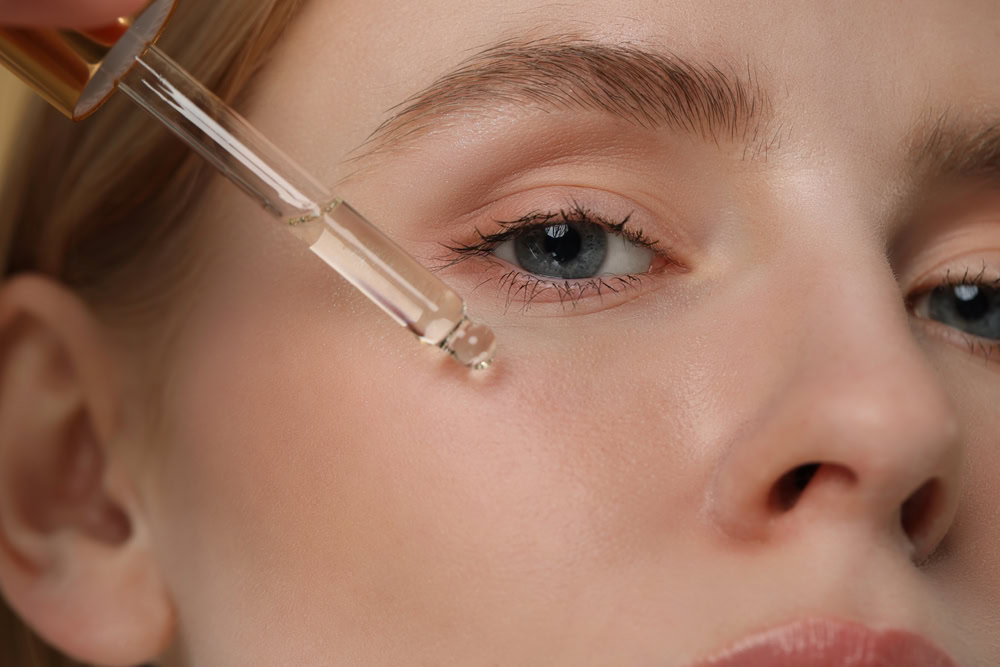
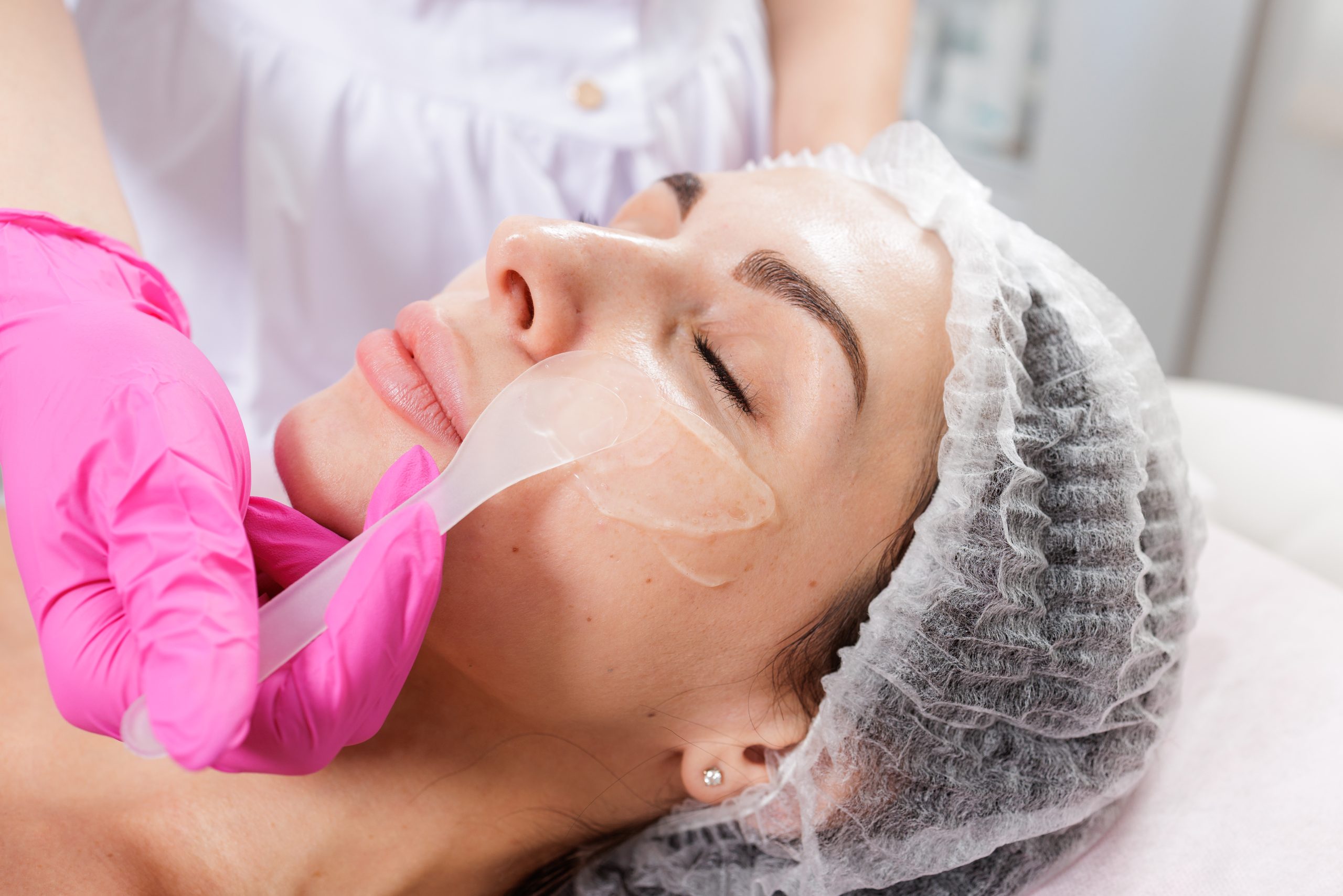
A chemical peel uses a carefully selected acid solution — glycolic acid, lactic acid, TCA, or a formulated blend like the VI Peel — to break down the bonds holding dead and damaged skin cells to the surface. Once those cells are released, newer, healthier skin is revealed underneath. Depending on the depth of the peel, the process can address surface texture and dullness all the way down to deeper concerns like melasma, post-acne marks, and sun damage.
The depth of the peel matters more than most people realize. Superficial peels, like a glycolic acid peel, work on the outermost layer of skin with little to no visible peeling and no real downtime. Medium-depth peels go further, targeting more stubborn pigmentation and texture issues, and may involve a few days of skin shedding. The right choice depends entirely on your skin type, your specific concerns, and — critically — our ability to assess both accurately.
Chemical Peels for Darker Skin Tones: Safety and Effectiveness
This is one of the most important questions to ask before booking a chemical peel treatment — and one that too few providers address directly. The short answer is yes, chemical peels can absolutely be safe and effective for darker skin tones. The longer answer is that it depends entirely on who is performing the peel and how well they understand the relationship between acid selection, skin depth, and pigmentation risk.
For people with deeper complexions — Fitzpatrick skin types IV through VI — the concern isn’t chemical peels in general. The concern is post-inflammatory hyperpigmentation, or PIH. When the wrong peel type or concentration is used on skin that’s prone to melanin overproduction, the treatment itself can trigger new dark spots. It’s a real clinical risk, and it’s why peel selection for skin of color isn’t something to leave to guesswork or a one-size-fits-all protocol.
At Wake Skincare, this isn’t an afterthought. Jacqueline Grace placed first and second in the Pigmentation Artist of the Year category at The Skin Games — an international esthetics competition — and our practice specifically focuses on treating hyperpigmentation, acne, and skin of color. That reflects years of specialized training and competitive-level expertise in exactly this area.
What that means practically is that your skin gets evaluated before any peel is chosen. Fitzpatrick type, sensitivity level, active pigmentation concerns, and your skin’s current condition all factor into the decision. The goal is a peel that moves your skin forward — not one that creates a new problem to solve.
Wake County has a genuinely diverse population, and a significant portion of our clients come to us specifically because they’ve had frustrating or even damaging experiences with providers who weren’t equipped to work with their skin tone. If that resonates with you, know that the concern is valid — and that the right provider makes a meaningful difference.
Downtime and Recovery for Chemical Peels
Downtime is the objection we hear most often, and it’s worth addressing honestly because the answer varies more than most people expect. The image many people carry — peeling, red, and hiding at home for a week — applies to medium and deeper peels. It does not apply to superficial peels, which are far more common in a clinical esthetics setting and involve little to no visible skin shedding.
A glycolic acid peel, for example, is considered a superficial peel. Most clients experience mild redness that resolves within a few hours and a subtle, gradual improvement in texture and tone over the following days. There’s no dramatic peeling event. You can return to your normal schedule the same day. The results are cumulative, meaning each session builds on the last — which is why a series of treatments typically outperforms a single session.
Medium-depth peels do involve more visible skin turnover. You might notice flaking or peeling for three to five days following the treatment, and your skin will be more photosensitive than usual. In North Carolina, where the UV index stays moderate even in the cooler months, that means being diligent about sun avoidance and following aftercare instructions carefully. This is also why fall and winter are the preferred seasons for deeper peel protocols in the Wake County area — lower UV exposure reduces the risk of post-peel sun damage and helps your results hold longer.
The right timing matters. If you have a major event, a vacation, or anything that puts you in direct sun for extended periods coming up in the next few weeks, a superficial peel or a HydraFacial might be the smarter near-term choice. We factor all of this in during your consultation so that whatever you book fits your actual life — not just your skin goals in isolation.
What a HydraFacial Does — and Where Its Limits Are
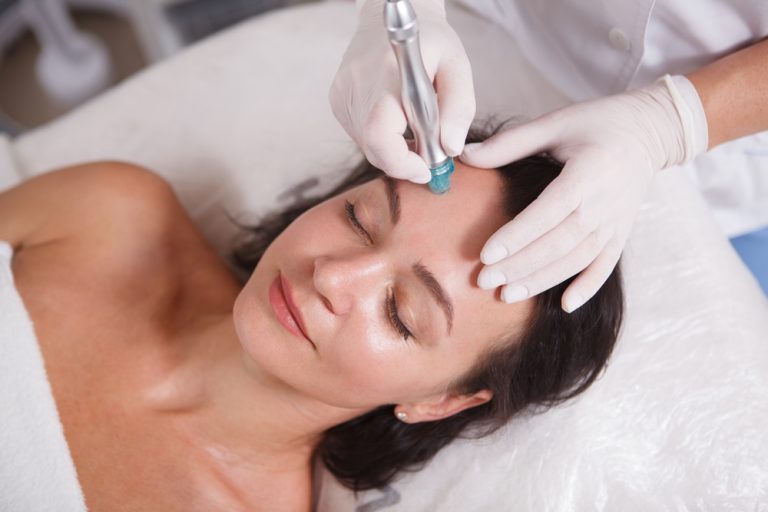
A HydraFacial is a device-based treatment that moves through multiple steps in a single session: cleansing, exfoliation, a mild chemical peel step, vortex extraction, and serum infusion. It’s comprehensive, it’s gentle, and it delivers a visible, immediate result — most clients leave looking noticeably brighter and more hydrated. It’s also appropriate year-round, with no photosensitivity concerns and no downtime whatsoever.
Where a HydraFacial excels is in maintenance, hydration, and that immediate-glow effect that makes it popular before events or as a regular monthly treatment. Where it has limits is in deep correction — if you’re dealing with established hyperpigmentation, significant sun damage, or textural scarring, a HydraFacial alone isn’t going to produce the level of change you’re looking for. That’s not a knock on the treatment. It’s just the honest answer to a question we hear constantly.
Chemical Peel vs HydraFacial for Dark Spots and Hyperpigmentation
If hyperpigmentation is your primary concern — whether that’s melasma, post-acne marks, sun spots, or uneven skin tone — a targeted chemical peel is generally going to move the needle more than a HydraFacial on its own. Chemical peels work by accelerating cell turnover and, depending on the formulation, can interrupt the melanin production cycle that drives pigmentation. A VI Peel, for example, is specifically formulated to address pigmentation concerns across a range of skin types.
That said, the most effective approach for stubborn pigmentation usually isn’t a single treatment of either kind — it’s a customized protocol that may combine both. A HydraFacial can be used to cleanse and prep the skin, removing the surface-level buildup that would otherwise interfere with how deeply a peel penetrates. Following that with a targeted chemical peel in the same session or as part of a treatment series allows the active ingredients to work on cleaner, more receptive skin. The results tend to be meaningfully better than either treatment alone.
This is an advanced technique that requires a provider who is genuinely skilled in both modalities. Jacqueline Grace holds HydraFacial Master Certification — she is among the first 100 practitioners in the world to achieve this level, certified at all three tiers: Professional, Expert, and Master. Paired with her Pigmentation Artist of the Year recognition, that combination of credentials is directly relevant when the goal is pigmentation correction.
For clients across Wake County who’ve been dealing with dark spots that haven’t responded to topical products or basic facials, this kind of multi-modality approach is often what finally produces visible, lasting change. The key is starting with a thorough skin evaluation so the protocol is built around your skin — not a template.
How to Choose the Right Facial for Pigmentation in Wake County
The honest answer is: start with a consultation, not a booking. We know that’s not the most exciting answer, but it’s the right one. The facial for pigmentation that works best for you depends on your skin type, the nature and depth of your pigmentation, your history with treatments, your lifestyle, and your timeline. None of those factors are universal, and a protocol that works well for one person can be wrong for another.
What we see frequently in Wake County are clients who’ve been getting monthly HydraFacials for a year, their skin looks good temporarily, but the hyperpigmentation hasn’t shifted. Or clients who booked a chemical peel somewhere without a proper skin analysis and ended up with more irritation than improvement. Neither of those outcomes reflects a bad treatment — they reflect a mismatch between the treatment and the person receiving it.
The free skin evaluation we offer isn’t a sales consultation. It’s a clinical assessment. Jacqueline reviews your skin type, your Fitzpatrick classification, your current concerns, and your goals before recommending anything. If a glycolic acid peel series is the right starting point, that’s what gets recommended. If a VI Peel followed by HydraFacial maintenance makes more sense for your skin, that’s the conversation you’ll have. The goal is a plan that actually works — not the most expensive option on the menu.
We’re based in Wake Forest and serve clients across more than 20 cities throughout Wake County and the surrounding area, including Raleigh, Cary, Apex, Rolesville, Wendell, and Knightdale. Jacqueline has been named Best Esthetician in Wake County three consecutive years running, including First Place — Best Esthetician at the Wake Weekly Best of the Best 2022. That recognition comes from this community, from clients who’ve seen real results and come back.
Chemical Peel Facial vs HydraFacial: How to Choose in Wake County
Both treatments are legitimate. Both can produce real results. The question was never really which one is better — it’s which one is right for your skin, your concerns, and your timing.
If you want immediate brightness and hydration with zero downtime, a HydraFacial is hard to beat. If you’re dealing with stubborn pigmentation, textural damage, or concerns that haven’t responded to surface-level treatments, a chemical peel — or a combination protocol — is likely the more appropriate path.
We offer a free skin evaluation to new clients. It’s the simplest way to stop guessing and get a clear, honest answer about what your skin actually needs. Reach out to Wake Skincare to schedule yours.