Summary:
You’ve probably heard microneedling mentioned in the same breath as glowing skin, faded scars, and smoother texture. But most of what’s out there either oversimplifies it or buries the real explanation under a pile of clinical terms. So let’s cut through that. Collagen induction therapy — the formal name for professional microneedling — works because it activates something your skin already does naturally. The treatment doesn’t add anything foreign to your body. It triggers your own repair system. Understanding that distinction changes how you think about the results, the timeline, and whether it’s worth your time.
How Collagen Induction Therapy Works: The Science Behind Microneedling
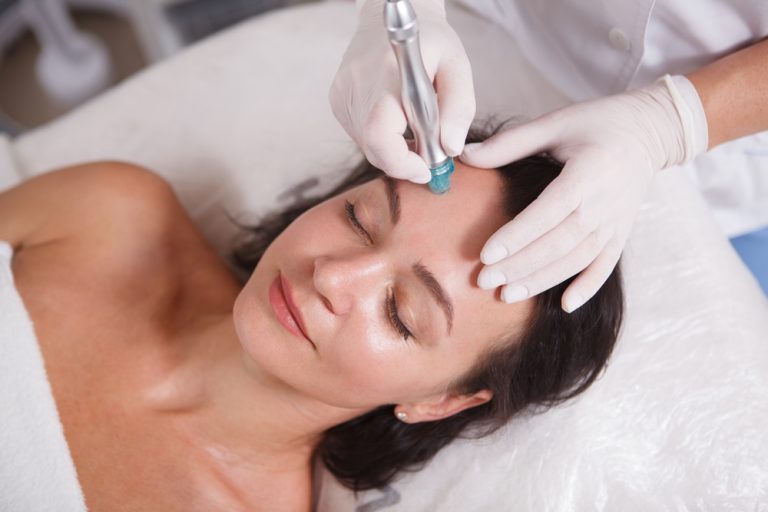
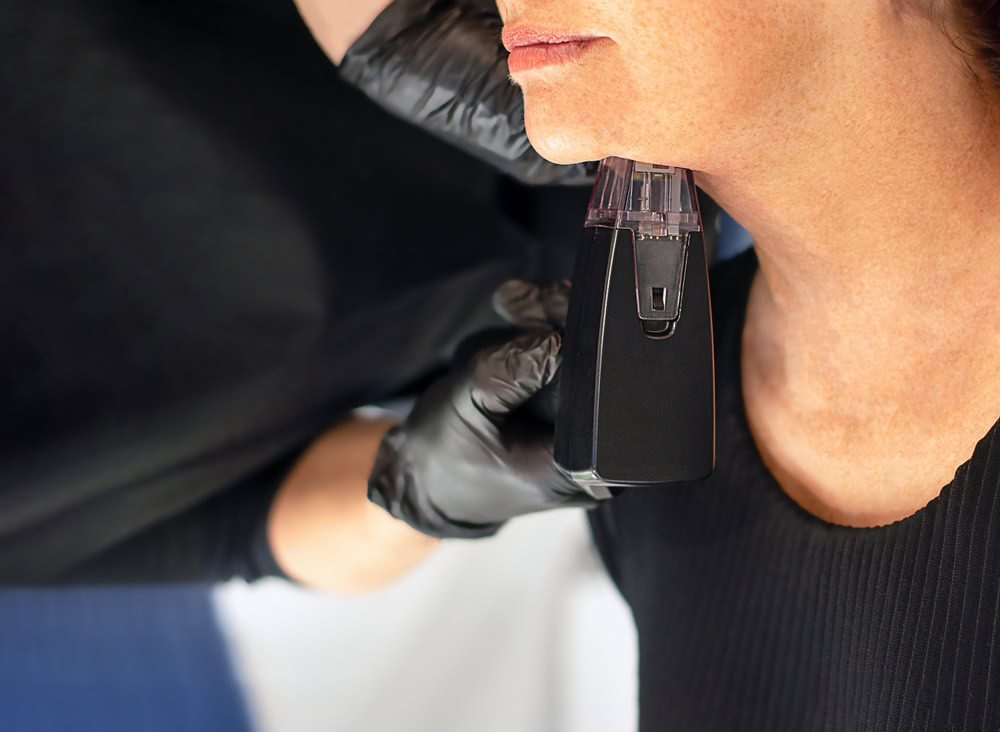
Collagen induction therapy uses a device fitted with fine, sterile needles to create tiny, controlled channels in the surface of your skin. Those micro-injuries are small enough that they don’t cause real damage — but they’re significant enough to trigger your body’s wound-healing response. That response is where all the work happens.
Your skin sends fibroblasts to the area. Fibroblasts are the cells responsible for producing collagen and elastin — the two proteins that give skin its structure, firmness, and elasticity. As those proteins rebuild, you get real, structural improvement: smoother texture, reduced scarring, tighter pores, and more even tone. It’s not a surface-level fix. It’s your skin rebuilding from the inside out.
Why Results Keep Improving Long After Your Last Session
Here’s the part most people don’t expect: the best results from collagen induction therapy don’t show up the week after your appointment. Collagen remodeling takes time — typically four to six weeks per session for the full effect to develop. That’s not a flaw in the treatment. That’s just how collagen synthesis works in human skin.
What makes this especially worth understanding is the long tail of the benefit. Clinical studies have found elevated collagen levels in treated skin for up to a year after a microneedling series. You’re not just getting a temporary improvement — you’re investing in a structural change that continues to pay off long after the sessions are done.
Collagen production naturally begins to decline in your mid-to-late twenties. That’s earlier than most people realize. For clients in their late twenties and thirties, a series of CIT treatments can function as both a corrective and a preventive measure — addressing existing concerns while slowing the pace of future changes.
Most people see meaningful results after three to four sessions spaced about a month apart. That spacing isn’t arbitrary. It gives each round of collagen remodeling time to complete before the next treatment builds on it. Trying to rush the process by booking sessions too close together doesn’t accelerate results — it just interrupts the healing cycle.
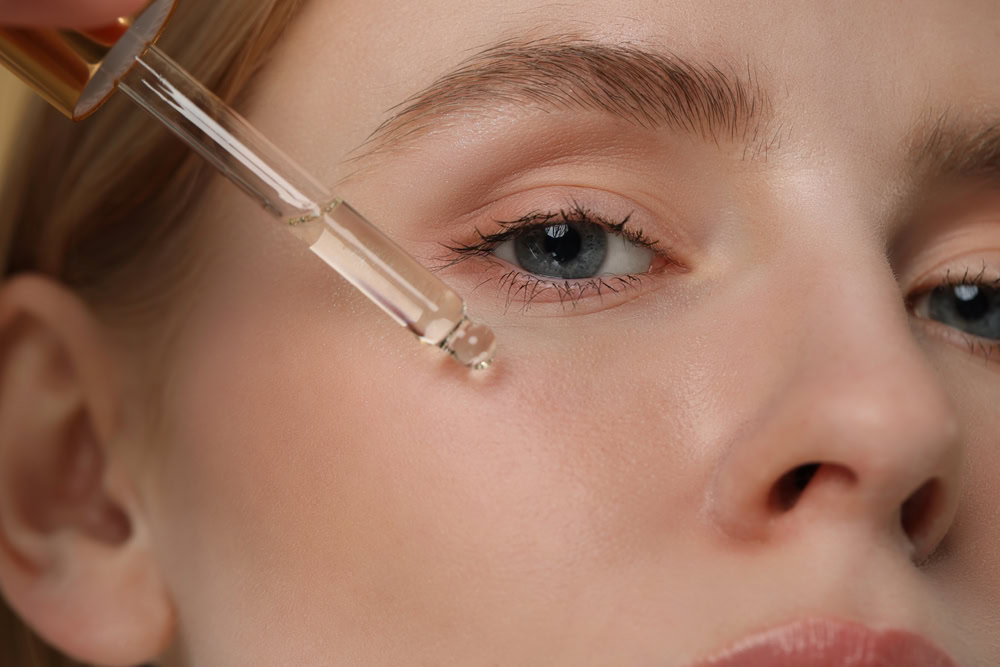
The other benefit that often surprises people: those microchannels created during treatment temporarily allow active ingredients to absorb far deeper into the skin than they normally would. That’s why post-treatment serums matter. Applied immediately after the procedure, they reach layers of the dermis that topical products simply can’t access on their own. It’s one reason professional CIT produces results that at-home rollers — which lack the depth, sterility, and post-treatment protocol of a clinical session — can’t replicate.
What Conditions Does Collagen Induction Therapy Actually Treat?
The range of concerns that respond well to CIT is broader than most people expect. Acne scarring is probably the most well-known application — and for good reason. The collagen rebuilding process can significantly improve the texture and depth of both rolling and boxcar scars over a series of treatments.
Fine lines and early wrinkles respond well because the treatment restores the collagen scaffolding that keeps skin firm. Enlarged pores shrink as the surrounding skin tightens. Uneven skin tone and hyperpigmentation — including post-inflammatory hyperpigmentation left behind by old breakouts — can fade as new, healthier skin cells replace damaged ones. Sun damage, rosacea, and general dullness are also in the treatment’s wheelhouse.
One thing worth addressing directly: CIT is frequently misrepresented as unsafe for darker skin tones. The concern comes from a real risk — post-inflammatory hyperpigmentation — but that risk is tied to technique and provider expertise, not the treatment itself. When performed correctly, at appropriate needle depths, by someone with real training in diverse skin types, CIT is safe and effective across a wide range of skin tones. The key word there is “correctly.” Not every provider has the training to calibrate treatment for deeper complexions. That’s not a small distinction — it’s the difference between results and a setback.
For clients dealing with rosacea or particularly sensitive skin, CIT can actually help reduce chronic redness over time by improving the skin’s barrier function and structural integrity. It won’t eliminate rosacea, but it can meaningfully reduce its visible impact when incorporated into a broader treatment plan.
What to Expect Before, During, and After Microneedling in Wake County
One of the most common reasons people hesitate before booking their first CIT session is the fear of pain or significant downtime. Both concerns are understandable — and both are largely overstated when the treatment is done professionally.
Before the procedure begins, a topical numbing cream is applied and given time to take effect. Most clients describe the sensation during treatment as mild pressure or warmth rather than pain. Immediately after, the skin looks flushed — similar to a moderate sunburn. That redness typically resolves within 24 to 48 hours for most people. You’re not looking at a week of hiding from the world.
How Collagen Induction Therapy Compares to Other Skin Treatments
One of the strongest advantages of microneedling is what it doesn’t require: foreign substances, aggressive chemical exposure, or extended recovery time. Laser treatments can produce strong results but carry a higher risk of post-inflammatory hyperpigmentation — particularly for clients with medium to deep skin tones — and often involve more significant downtime. Aggressive chemical peels can deliver real improvement but require careful skin preparation and a longer recovery window.
CIT sits in a different category. It works with your skin’s biology rather than overriding it. The treatment is customizable — needle depth can be adjusted based on the area being treated and the specific concern being addressed — which means it can be used on delicate areas like around the eyes and mouth where other treatments can’t safely go.
It also combines well with other treatments. A CIT session followed by a targeted serum, or paired with a VI Peel or HydraFacial as part of a broader treatment plan, can produce results that neither treatment would achieve on its own. That kind of layered approach is only possible when a provider understands how each treatment interacts with the others — and has the range of services to offer them under one roof.
The cost of professional CIT typically runs around $300 per session, with the full range for facial treatment falling between $200 and $700 depending on the provider, location, and any add-on treatments. A series of three to four sessions is the standard recommendation for moderate concerns. That’s a meaningful investment, but one backed by clinical evidence of results that last well beyond the final appointment.
Why Provider Expertise Matters in Wake County, NC
Here’s something the marketing materials rarely say plainly: several providers across Wake County use the same FDA-cleared SkinPen device. The SkinPen was the first microneedling device to receive FDA clearance in the United States, and its use signals a real commitment to safety and precision. But device parity means the differentiator isn’t the tool — it’s the person holding it.
Needle depth calibration, skin type assessment, post-treatment serum selection, and protocol decisions all require judgment that comes from training and experience, not just equipment. A provider who has spent years working specifically with hyperpigmentation, acne, and skin of color develops a level of clinical instincts that a weekend certification course doesn’t produce.
At Wake Skincare, our founder Jacqueline Grace trained in New York and has been named Best Esthetician in Wake County for three consecutive years. She also took first place internationally in the Pigmentation Artist of the Year category at The Skin Games, a competition where practitioners are judged on live skin transformation work. For clients in Wake County, NC dealing with hyperpigmentation or uneven tone, that credential is directly relevant to their specific concern.
We’re also backed by one of the most esteemed medical directors in the Triangle, which means every treatment plan carries physician-level oversight — an important layer of accountability that not every aesthetics provider in the area offers. Wake County has no shortage of options for microneedling. What’s rarer is a provider who brings competition-validated expertise in the specific concerns — pigmentation, acne scarring, diverse skin tones — that many clients in this area are actually dealing with.
Every new client starts with a free skin evaluation and consultation. No obligation, no pressure to book anything. It’s just a real conversation about your skin, what’s driving your concerns, and what a realistic treatment plan would look like for you specifically.
Is Collagen Induction Therapy Right for You?
Collagen induction therapy works because it asks your skin to do something it already knows how to do — heal. The treatment just provides the controlled stimulus that kicks that process into motion. Results build over weeks, not days, and the improvements can last well beyond the final session.
If you’re dealing with acne scars, uneven texture, hyperpigmentation, or early signs of aging and you’ve been wondering whether CIT is actually worth it — the honest answer is that it depends on your skin, your goals, and who’s doing the treatment. That last part matters more than most people realize.
If you’re in Wake County, NC and want a straight answer about whether this is the right fit for you, reach out to Wake Skincare. The consultation is free, the assessment is thorough, and you’ll leave with a clear picture of what’s possible — no guesswork, no pressure.