
Summary:
You’ve tried the serums. You’ve done the research. Maybe you’ve even splurged on a high-end skincare line a friend swore by. And yet — you look in the mirror and your skin still isn’t where you want it to be. That’s not a failure of effort. It’s a limitation of what over-the-counter products can actually do. There’s a real ceiling on DIY skincare, and once you hit it, more products won’t help. What changes things is understanding what professional skincare can deliver that no shelf item can — and whether you’ve reached the point where that investment makes sense for you.
Professional vs At-Home Skincare: When to Make the Investment
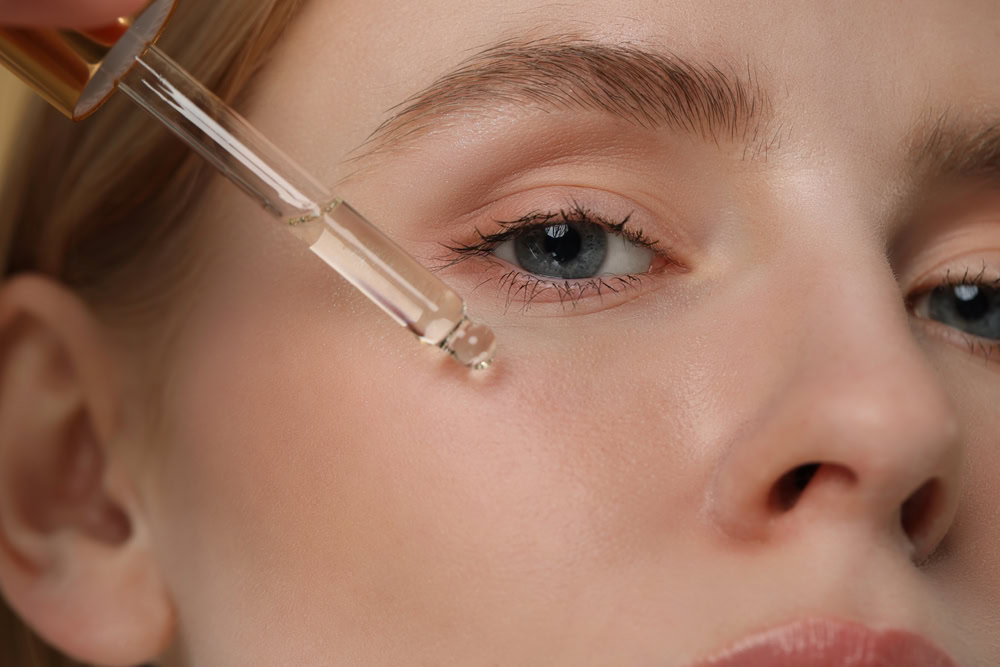
The honest answer is that at-home skincare works — up to a point. A consistent routine with the right products can maintain healthy skin, support hydration, and slow some signs of aging. But there’s a hard limit on what consumer-grade products are legally formulated to do. The active ingredients in drugstore and even premium retail skincare are diluted to concentrations that are safe for unsupervised use. That’s not a flaw in the products — it’s a regulatory reality.
Professional treatments use medical-grade formulations at concentrations that require trained hands to apply safely. The equipment is clinical-grade. The assessment behind the treatment is individualized. When you’re not seeing results at home, it’s often not because you chose the wrong product — it’s because no OTC product was ever going to get you there.
Why Expensive Products Still Don't Replace a Professional Skin Analysis
One of the most common frustrations we hear from new clients is some version of: “I’ve spent so much money on skincare and nothing works.” The products weren’t necessarily bad. The problem is that they were chosen without a real understanding of what the skin actually needs — and that’s not something a product label or an influencer recommendation can tell you.
A professional skin evaluation looks at things you can’t assess in a bathroom mirror. Hydration levels beneath the surface, barrier function, pore congestion patterns, early pigmentation that hasn’t fully surfaced yet — these require trained eyes and, in many cases, professional-grade analysis tools. When you understand what’s actually happening with your skin, you stop buying products that work for someone else’s concerns and start addressing your own.
This is also where the cost math shifts. The average person cycling through skincare products that don’t deliver results spends significantly more over time than someone who invests in a professional treatment plan built around their actual skin type and goals. A free consultation doesn’t just save you from a bad treatment — it saves you from another six months of products that weren’t going to work anyway.
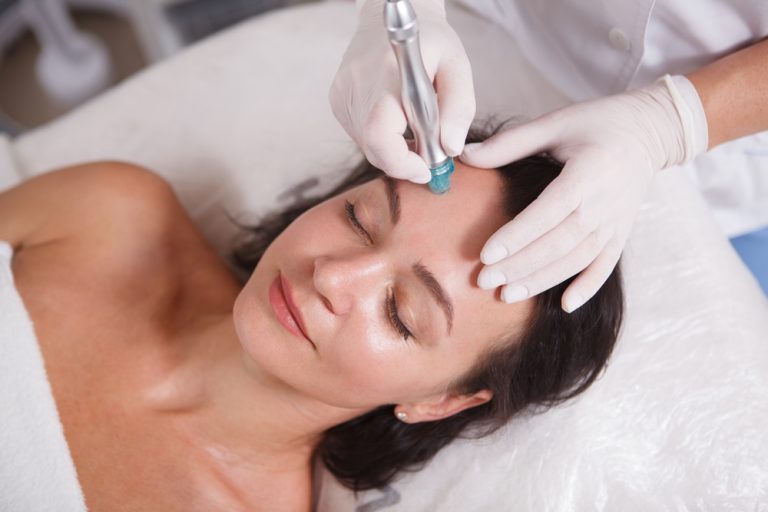
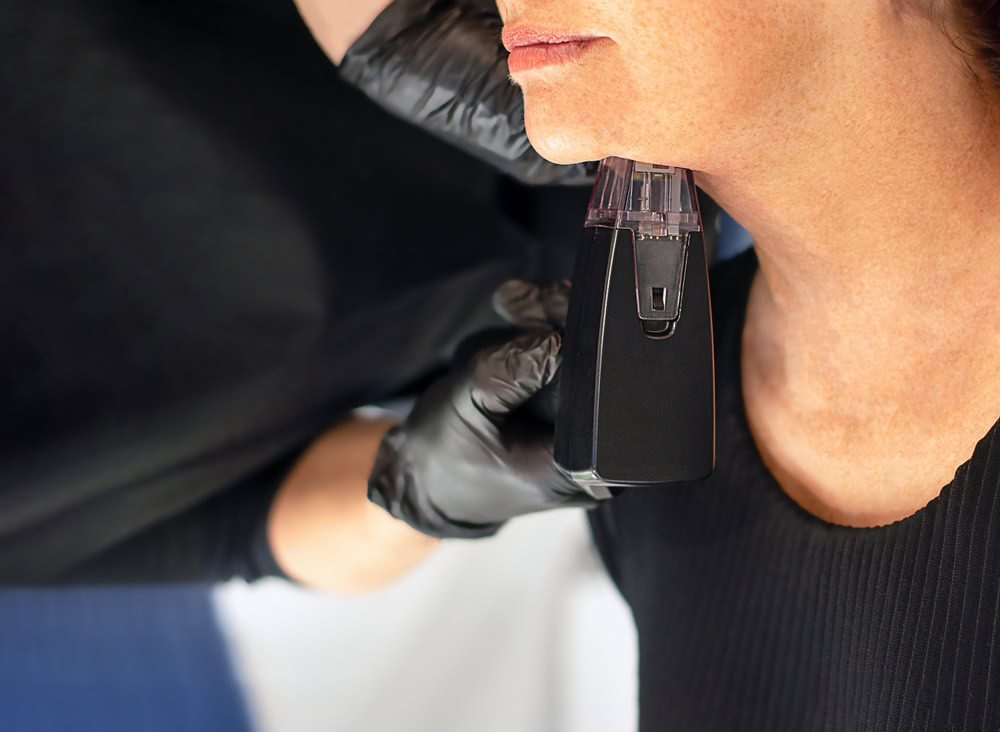
There’s also the question of what professional treatments can physically do that home routines cannot. A HydraFacial uses vortex suction technology to simultaneously cleanse, extract, and infuse serums into the skin at a depth and pressure no home device replicates. SkinPen microneedling creates controlled micro-channels in the skin to trigger collagen production — the home-use microneedling rollers you’ll find online operate at a fraction of the needle depth and lack the precision of a clinical device. IPL targets pigmentation and vascular concerns using calibrated light energy that simply doesn’t exist in consumer products. These aren’t fancier versions of what you do at home. They’re categorically different interventions.
How Wake County's Climate Makes Professional Skincare More Valuable Than You Might Think
If you live anywhere in Wake County — Wake Forest, Raleigh, Durham, Cary, or the surrounding towns — you already know the weather here is not gentle on skin. Summers are hot and humid, which sounds like it should be good for hydration but often isn’t. High humidity causes excess sebum production, congested pores, and a dull, uneven texture that a basic cleanse-and-moisturize routine struggles to keep up with. Then winter arrives and strips the skin barrier in the opposite direction.
Add to that the fact that Wake County consistently ranks among the worst areas in the country for pollen counts. Spring and fall allergy seasons don’t just affect your sinuses — they affect your skin. Pollen exposure can trigger sensitivity, redness, and barrier disruption that mimics rosacea or contact dermatitis. Without a professional assessment, it’s easy to misread what your skin is actually responding to and treat the wrong thing.
Then there’s the UV exposure. The Triangle’s outdoor culture is part of what makes it such a great place to live — the Neuse River Greenway, the American Tobacco Trail, outdoor dining year-round. But consistent sun exposure accelerates pigmentation and aging in ways that SPF alone doesn’t fully reverse. Hyperpigmentation and sun damage are among the most common concerns we see from clients across Wake County, and they’re also among the hardest to address with home products alone.
A professional treatment plan accounts for all of this. It isn’t built around a generic skin type — it’s built around your skin, in this climate, with your lifestyle and concerns. That’s the difference between a routine that maintains and a plan that actually improves.
At-Home vs Professional Facial: What the Results Actually Look Like
A home facial — whether that’s a sheet mask, a clay treatment, or a gentle exfoliant — can leave your skin looking refreshed. That’s real, and there’s nothing wrong with it. But the results are surface-level and short-lived because the treatment itself is surface-level. Professional facials work differently, not just in depth but in what they’re designed to accomplish.
The gap widens when you’re dealing with specific concerns. Acne that keeps coming back, dark spots that won’t fade, fine lines that are starting to settle in, skin that looks tired no matter how much water you drink — these aren’t problems a home facial is equipped to solve. They require clinical assessment, the right modality, and often a series of treatments that build on each other.
What a Professional Facial Actually Does Differently — and Why It Lasts Longer
The most immediate difference clients notice after a professional facial is the quality of the result — not just that their skin looks better, but that it looks better in a specific way they haven’t been able to achieve at home. That’s not marketing. It’s the outcome of using clinical-grade products at professional concentrations, applied with technique and equipment that goes beyond what any home kit offers.
Take extractions as an example. Attempting to extract congested pores at home is one of the most common ways people inadvertently damage their skin — introducing bacteria, causing inflammation, and creating post-inflammatory hyperpigmentation that takes months to fade. A professional extraction is performed with proper technique, sterile tools, and the right preparation to open the pore safely. The result is clear skin without the damage.
Or consider exfoliation. At-home chemical exfoliants like AHA toners work by loosening dead skin cells at the surface. A professional chemical peel — including medical-grade options like the VI Peel — penetrates to a controlled depth calibrated to your specific skin concerns. Dermaplaning removes both dead skin cells and vellus hair with a surgical blade, creating a surface that allows subsequent treatments and products to penetrate more effectively. These aren’t comparable to a home exfoliant in degree — they’re different in kind.
The longevity of results also differs. A home facial might leave skin glowing for a day or two. A professional treatment creates changes at the cellular level — stimulating collagen, clearing congestion, addressing pigmentation — that continue to develop and improve in the days and weeks after the appointment. Clients who follow a treatment plan see cumulative improvement over time, not just a temporary refresh.
When to See an Esthetician: Signs Your Skin Has Outgrown Your Home Routine
Most people don’t know there’s a clear tipping point — a moment when the home routine stops being the right tool for the job. They keep adjusting products, adding steps, spending more money, and wondering why nothing is changing. Here’s a cleaner way to think about it.
If you’ve been consistent with your skincare for three to six months and you’re not seeing meaningful improvement in a specific concern — acne, hyperpigmentation, fine lines, texture, dehydration — that’s a signal. Not that you’ve failed, but that the concern likely needs a professional intervention to address it at the level where it’s actually occurring.
If your skin reacts unpredictably — breaking out in areas that don’t make sense, flushing or reddening without an obvious cause, feeling tight and dry even when you’re moisturizing regularly — that’s another signal. Reactive skin often has an underlying pattern that a professional skin analysis can identify. In Wake County, where seasonal pollen, humidity swings, and UV exposure all affect the skin differently throughout the year, that kind of unpredictability is common and worth getting assessed properly.
If you’ve had a professional facial before and didn’t see lasting results, it’s worth considering whether the treatment was truly customized to your skin or whether it was a generic protocol applied to everyone who books that service. There’s a significant difference between a spa facial designed for relaxation and a medical-grade treatment designed for your specific concerns, performed by someone with the clinical training to back it up. Jacqueline Grace, who founded our practice in Wake Forest, has been named Best Esthetician in Wake County three consecutive years by Wake Weekly — not because she offers the same facial to everyone, but because she doesn’t.
The free consultation we offer exists specifically for this moment — when you’re not sure what your skin needs, or you’ve tried things that haven’t worked, or you just want someone who actually knows what they’re looking at to give you a straight answer. There’s no cost to that conversation, and no obligation to book anything.
Is Professional Skincare Worth It? Here's the Honest Answer
For people who are already seeing results at home and maintaining healthy skin, a consistent home routine is genuinely valuable. Keep doing it. But if you’ve hit a wall — if the products aren’t delivering, the concerns aren’t improving, or you’re spending more and more without a clear direction — professional skincare isn’t an upgrade. It’s a different category of care entirely.
The professional skincare benefits that matter most aren’t about luxury. They’re about clinical accuracy: knowing what your skin actually needs, using tools and formulations that can address it at the right depth, and building a plan that compounds over time instead of starting over every time a new product disappoints.
If you’re in Wake County and you’re ready to stop guessing, we offer a free consultation and skin evaluation — no pressure, no obligation, just a real look at what your skin needs and what can actually help. Reach out and we’ll take it from there.