
Summary:
Most people find microneedling after they’ve already tried everything else. The serums, the peels, the prescription creams — and their acne scars are still there. Or the fine lines are creeping in and nothing topical is making a dent. Or their skin just looks tired in a way they can’t quite explain.
Microneedling is one of the few treatments that actually works at the level where those problems live — below the surface, in the dermis, where topical products simply can’t reach. Here’s what it actually does, how it does it, and what you should realistically expect if you’re considering it in Wake County, NC.
Microneedling Facial Benefits: What's Actually Happening to Your Skin
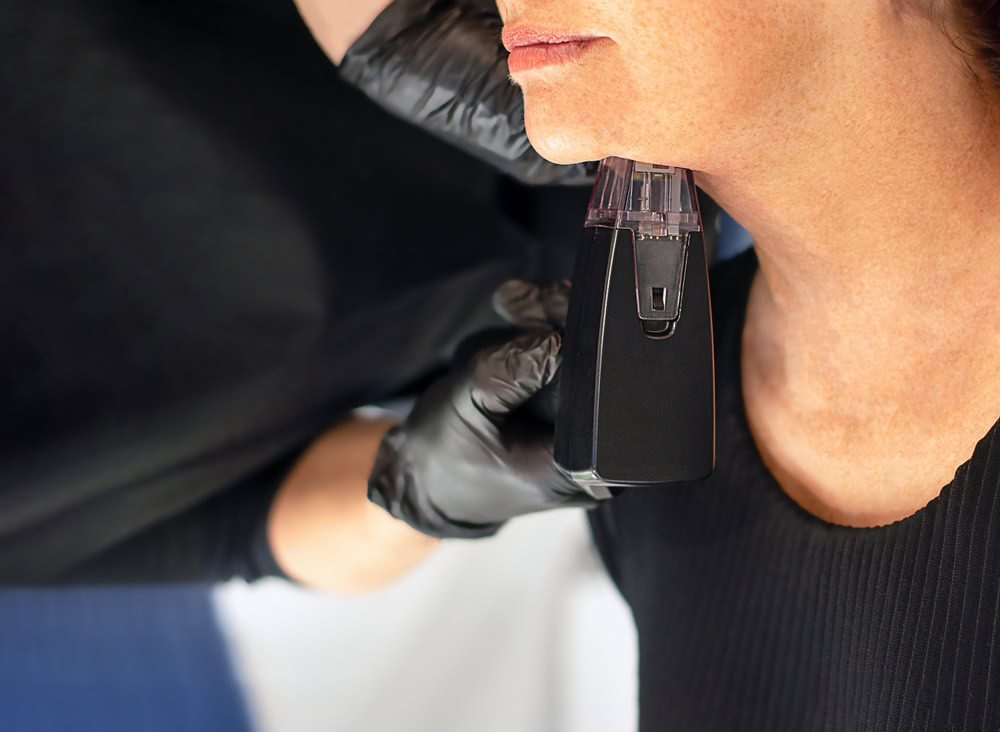
The mechanism behind microneedling is straightforward, even if the results feel almost too good to be true. A professional device — in our case, the SkinPen, which is the first FDA-cleared microneedling device in the United States — creates thousands of tiny, controlled micro-channels in your skin. Your body reads those as minor injuries and responds by producing new collagen and elastin to repair them.
That’s not a gimmick. It’s your skin’s own healing process, redirected. Because the improvement comes from genuine collagen production rather than filler or a surface-level fix, the results build over time and last. Most clients see continued improvement for weeks after each session as the healing response completes.
SkinPen Benefits: Why the Device You're Treated With Actually Matters
There’s a meaningful difference between a professional microneedling session and what you’d get from a derma roller you bought online — and it’s not just about price. Consumer-grade rollers can’t be reliably sterilized between uses, they offer no control over needle depth, and the rolling motion can actually drag and tear the skin rather than create clean, controlled channels.
The SkinPen works differently. It uses sterile, single-use cartridges for every session, and the needle depth is adjustable — from 0.5mm all the way to 2.5mm — depending on what we’re treating and where on your face we’re working. Delicate areas around the eyes need a different depth than a stubborn acne scar on your cheek. That precision is what produces consistent, predictable results.
Because the SkinPen creates clean micro-channels rather than tearing tissue, it also dramatically improves how well your skin absorbs the serums and active ingredients applied immediately after treatment. Those products penetrate far deeper than they ever could through intact skin, which means the needling and the serums work together rather than separately.
Dermapen Benefits and How It Compares to SkinPen Microneedling
If you’ve been researching microneedling, you’ve probably come across the term “Dermapen” and wondered whether it’s the same thing as SkinPen or something different. Both are motorized, pen-style microneedling devices — and both are a significant step above consumer derma rollers. The core mechanism is the same: controlled micro-injuries that trigger collagen induction.
The practical distinction that matters for you as a client is FDA clearance. SkinPen holds the distinction of being the first FDA-cleared microneedling device for acne scars in the United States. FDA clearance means the device has been evaluated for safety and efficacy through a formal regulatory process — not just marketed with before-and-after photos.
The device is only part of the equation. A skilled provider using a high-quality device will consistently outperform an unskilled provider using the same equipment. The assessment before your session — understanding your skin type, your concerns, your history with other treatments — is what shapes the entire outcome. Needle depth, pressure, pass count, and serum selection all need to be calibrated to you specifically, not applied as a generic protocol.
This is where clinical training and real expertise become genuinely relevant. When a provider has placed first internationally in pigmentation treatment, it means they understand how different skin types respond to different depths and approaches — and that knowledge shows up in your results.
Nano Needling Benefits: A Different Tool for a Different Goal
Nano needling is related to microneedling but serves a distinct purpose, and the two are often confused. Where microneedling uses needles that penetrate into the dermis to trigger collagen production, nano needling uses ultra-fine silicone tips that work at the very surface of the skin — the epidermis — without breaking through it.
The result is zero downtime. No redness. No recovery period. It’s an entirely different treatment profile, and for certain clients and certain goals, it’s the better choice. If you’re new to needling treatments, have sensitive skin, or want something you can schedule without planning around recovery, nano needling is worth understanding before you assume microneedling is the only path.
What Does Nano Needling Actually Do for Your Skin?
The primary benefit of nano needling is dramatically enhanced product absorption. The nano tips create temporary microchannels at the skin’s surface that allow serums and active ingredients to penetrate far more effectively than they would through intact skin. When those serums are selected thoughtfully — growth factors, peptides, brightening agents, hydrating compounds — the treatment delivers noticeably improved tone, texture, and radiance without any downtime.
For clients dealing with dullness, mild uneven tone, or dehydration, nano needling can produce visible improvements after a single session. It’s also an excellent maintenance treatment between deeper microneedling sessions, helping to extend and sustain results while keeping the skin in optimal condition for the next full treatment.
Nano needling isn’t a weaker version of microneedling — it’s appropriate for different goals and different points in a client’s skincare journey. Some clients use both in rotation, depending on what their skin needs at a given time. For Wake County professionals who can’t afford to look visibly flushed at a meeting the next morning, nano needling is often the right entry point.
Is Microneedling Safe for Darker Skin Tones? What Wake County Clients Should Know
This is one of the most important questions in the microneedling conversation, and it’s one that most general content glosses over. Wake County has a genuinely diverse population — across Raleigh, Wake Forest, Knightdale, Zebulon, and surrounding communities, a significant portion of residents have medium-to-deep skin tones. For those clients, the question of treatment safety isn’t abstract. It’s the reason many haven’t pursued professional skin treatments sooner.
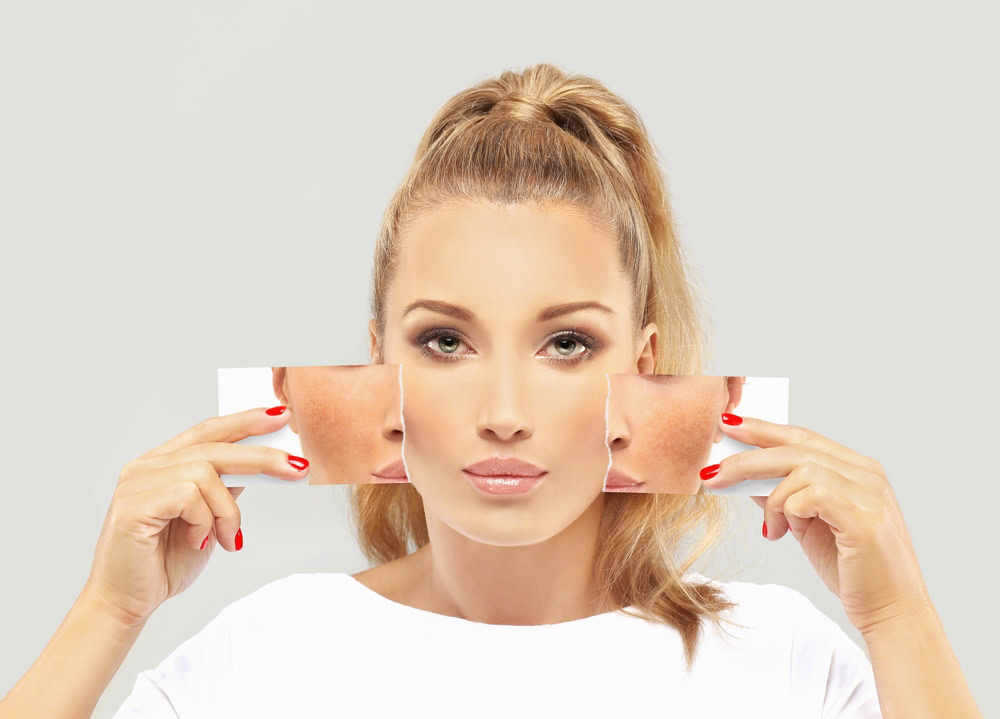
Laser treatments use heat, and heat is the problem. For deeper skin tones, heat-based treatments carry a real risk of triggering post-inflammatory hyperpigmentation — where the skin responds to thermal injury by overproducing melanin, leaving dark spots that can be worse than the original concern. That’s a well-documented clinical reality that makes many laser options genuinely inappropriate for certain skin tones.
Microneedling doesn’t use heat. The micro-channels it creates are mechanical, not thermal, which means the melanin-producing cells in the skin are not disrupted in the same way. This makes microneedling one of the most clinically appropriate options for clients with darker complexions who are dealing with acne scars, hyperpigmentation, uneven tone, or early signs of aging.
We specialize in treating skin of color at Wake Skincare — it’s not a footnote in our service menu, it’s a core part of what we do. Our expertise in exactly this area is reflected in real results for our Wake County clients. If you’ve been told that certain treatments “aren’t right for your skin tone” without being offered a real alternative, microneedling is worth a closer look.
Is Microneedling Worth It? What to Expect Before You Book
The honest answer is that microneedling works — but it works over a series of sessions, not overnight. Most providers recommend four to six sessions spaced four to six weeks apart for optimal results. A full series produces improvements that typically last eight to twelve months.
Downtime is minimal. Redness fades within about 48 hours for most clients, and the skin’s outer layer heals within 12 to 24 hours — meaning most people are back to their normal routine the same day or the next morning. For Wake County professionals who can’t disappear for a week of recovery, that matters.
If you’re considering microneedling and want to understand exactly what it would look like for your skin, your concerns, and your schedule, we offer a free skin evaluation for all new clients. No pressure, no obligation — just a real conversation about what your skin actually needs.