Summary:
You’ve tried the facials. You’ve bought the serums. You’ve followed the routines. But your skin still isn’t where you want it to be. Here’s what most people don’t realize until they’ve already spent hundreds on treatments that feel good but don’t fix anything: there’s a fundamental difference between pampering your skin and actually treating it. A day spa offers relaxation. A care skin clinic offers results. If you’re dealing with persistent acne, stubborn hyperpigmentation, visible signs of aging, or texture issues that won’t budge, you’re not looking for a massage and a mask—you’re looking for medical-grade intervention. Let’s talk about when that line gets crossed.
What Makes a Care Skin Clinic Different from a Day Spa
The confusion is understandable. Both places have treatment rooms, both offer facials, and both promise better skin. But that’s where the similarities end.
A care skin clinic operates under medical oversight. That means licensed healthcare professionals—often working alongside board-certified physicians—who can legally use prescription-strength ingredients, perform advanced procedures, and treat actual skin conditions. The focus is on measurable, clinical improvement for issues like acne, rosacea, hyperpigmentation, and premature aging.
A day spa, on the other hand, is designed for relaxation and surface-level maintenance. The estheticians are skilled at what they do, but they’re limited to gentler products and techniques. There’s nothing wrong with that if your goal is stress relief and a temporary glow. But if you’re trying to fix something—not just feel pampered while it stays broken—you need a different level of care.
Medical-Grade Products vs Over-the-Counter Formulations
Walk into most day spas and you’ll find quality skincare products on the shelf. They smell good, they feel luxurious, and they’re perfectly fine for maintaining healthy skin. But they’re formulated to work on the surface.
Medical-grade skincare products are a different category entirely. These formulations contain higher concentrations of active ingredients—retinoids, hydroquinone, glycolic acid, vitamin C—at levels that can only be dispensed through licensed professionals or under medical supervision. They penetrate deeper layers of the skin, targeting concerns at the cellular level rather than just smoothing things over temporarily.
The difference shows up in results. Over-the-counter products might reduce the appearance of fine lines. Medical-grade retinoids stimulate collagen production and actually rebuild skin structure. A brightening serum from the drugstore might fade a dark spot slightly. A prescription-strength formula addresses the melanin production causing it.
This isn’t about one being “better” in some abstract sense. It’s about what your skin actually needs. If you’re dealing with melasma, post-inflammatory hyperpigmentation from acne, or deep wrinkles, consumer-grade products aren’t going to cut through the problem. You need ingredients that are clinically proven to create change—and those live in the care skin clinic world, not the spa world.
The other piece people don’t always consider is safety. Stronger ingredients require professional guidance. A care skin clinic doesn’t just hand you a product and send you home. We assess your skin type, your concerns, your tolerance, and we build a regimen that works with your skin’s specific needs. We monitor how you respond. We adjust when necessary.
Day spas can recommend products, and many do it well. But they’re working within a much narrower range of options. If what you need falls outside that range, you’re in the wrong place.
Licensed Professionals and Medical Oversight in Skin Care Clinics
Credentials matter. Not because letters after a name make someone automatically better at their job, but because certain treatments require a level of training and accountability that goes beyond a standard esthetics license.
In North Carolina, estheticians must complete 600 hours of training and pass state board examinations to practice. That’s the baseline for working in either a spa or a clinic. But a care skin clinic typically goes further. Many operate under the supervision of a board-certified physician or dermatologist, which opens the door to treatments that require medical oversight—things like chemical peels at higher strengths, microneedling, laser treatments, and injectables like Botox.
Medical oversight isn’t just about legal permission to perform certain procedures. It’s about having someone who understands skin at a clinical level—someone who can identify when a dark spot isn’t just hyperpigmentation but could be something that needs a biopsy. Someone who knows how to manage complications if they arise. Someone who’s trained to treat skin conditions, not just offer skincare services.
At Wake Skincare, our treatments are performed by licensed estheticians working under the medical direction of Dr. Joseph Hummel, a board-certified physician. Our founder, Jacqueline Grace, holds a HydraFacial Master Certification—putting her among the top 100 practitioners worldwide—and has been named Best Esthetician in Wake County for three consecutive years. These aren’t just credentials for the sake of credentials. They represent a level of expertise and accountability that directly impacts the quality and safety of your care.
Day spas employ talented professionals. But they’re not set up to handle medical-grade treatments or diagnose skin conditions. If you walk in with cystic acne, severe sun damage, or rosacea, a spa esthetician can offer soothing treatments and product recommendations. A care skin clinic can build a clinical treatment plan, prescribe topical medications if needed, and track your progress over time.
It’s not about one being “lesser.” It’s about scope of practice. And if your skin concern falls outside the scope of what a day spa can legally or safely address, you’re not going to get results there no matter how many sessions you book.
Clinic Skin Care for Persistent Acne and Hyperpigmentation
There’s a point where acne stops being a cosmetic annoyance and starts being a medical condition. Same with hyperpigmentation. If you’ve been dealing with breakouts or dark spots for months—or years—and nothing you’ve tried has worked, that’s not a product problem. It’s a treatment problem.
Day spas can help with mild congestion, surface texture, and occasional breakouts. They can perform extractions, apply calming masks, and recommend gentle exfoliants. But persistent acne—especially cystic acne or hormonal acne—requires a different approach. You need someone who can assess what’s causing it, whether that’s bacteria, inflammation, oil production, or a combination of factors. You need access to treatments like prescription retinoids, antibiotics, or professional-strength chemical peels that actually interrupt the acne cycle.
Hyperpigmentation is similar. Post-inflammatory hyperpigmentation from old acne, melasma from hormonal changes, or sun damage that’s left your skin tone uneven—these aren’t issues that fade with a brightening facial. They require targeted treatment with ingredients like hydroquinone, kojic acid, or high-strength vitamin C, combined with procedures like microneedling or laser therapy that break up pigment deposits beneath the skin’s surface.
Why Acne Treatment Requires Medical-Grade Intervention
If your acne keeps coming back no matter what you do, there’s usually something happening beneath the surface that topical products alone can’t fix. Maybe it’s inflammation that needs to be controlled with prescription medication. Maybe it’s a bacterial overgrowth that requires targeted treatment. Maybe your pores are so congested that you need professional extractions combined with chemical exfoliation to clear them out.
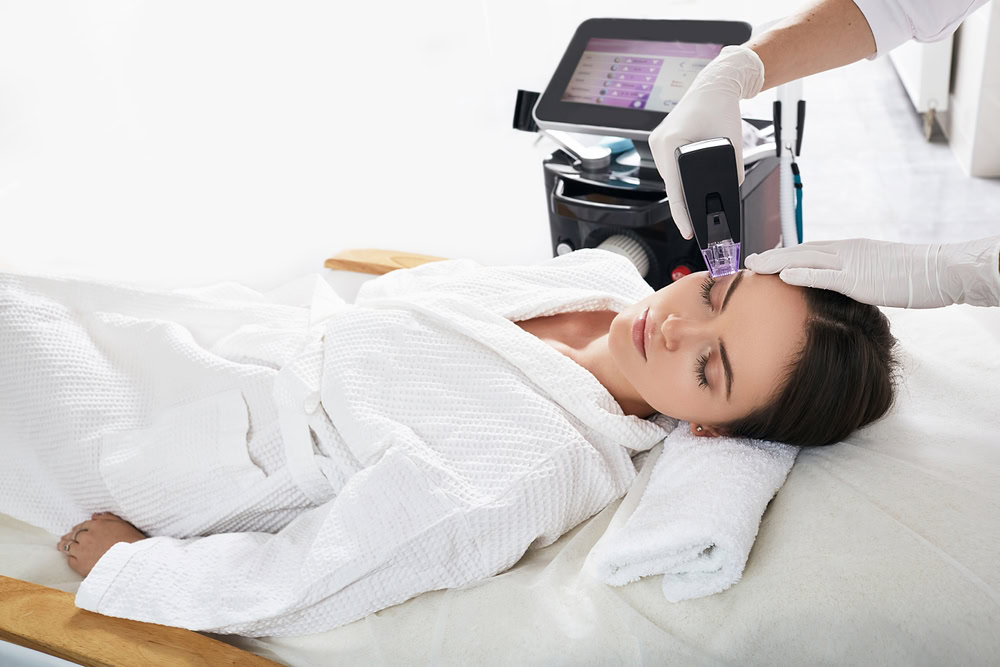
A care skin clinic can address all of that. We can perform deep-cleansing treatments with medical-grade products that penetrate further than anything you’d find at a spa. We can use tools like SkinPen microneedling to reduce acne scarring by stimulating collagen production in the deeper layers of skin. We can prescribe topical treatments or refer you to a dermatologist if your acne requires oral medication.
More importantly, we can create a comprehensive treatment plan that doesn’t just chase symptoms. Acne isn’t one-size-fits-all, and neither is the solution. What works for someone with oily, acne-prone skin in their twenties won’t work for someone dealing with hormonal breakouts in their forties. A clinic approach means customization based on your specific skin type, your triggers, and your goals.
Day spas can offer facials that feel good and temporarily calm inflammation. But if you’re still breaking out two weeks later, you haven’t solved the problem—you’ve just given your skin a break. Clinical acne treatment is about long-term control, not short-term relief.
And here’s the part that gets overlooked: waiting too long to get proper treatment can make things worse. The longer acne persists, the more likely it is to leave scars. Post-inflammatory hyperpigmentation from breakouts can take months or even years to fade without intervention. Every month you spend trying spa facials that don’t work is another month your skin isn’t healing.
That’s not to say spa treatments are useless. If you have clear skin and just want maintenance, they’re great. But if you’re struggling—if your acne is affecting your confidence, your daily life, or leaving marks behind—you need clinical care. You need a care skin clinic.
Treating Hyperpigmentation with Clinical Skincare Solutions
Hyperpigmentation is one of those issues that looks simple but isn’t. Dark spots, uneven tone, patches of discoloration—they’re all caused by excess melanin production, but the triggers vary widely. Sun damage, hormonal changes, inflammation from acne, even certain medications can all cause pigmentation issues. And each type responds to different treatments.
That’s where clinic skin care makes a difference. A trained professional can assess what type of hyperpigmentation you’re dealing with and build a treatment plan that targets it specifically. For post-inflammatory hyperpigmentation—the dark marks left behind after acne or injury—you might need a combination of chemical peels, microneedling, and prescription-strength topical treatments to break up the pigment and encourage skin turnover.
For melasma, which is often triggered by hormones and made worse by sun exposure, the approach is different. You need strict sun protection, medical-grade brightening agents, and sometimes laser treatments that target deeper pigment without causing more inflammation. This isn’t something you can DIY with a serum from the drugstore, and it’s not something a day spa facial is equipped to handle.
Our approach to hyperpigmentation is a good example of how clinical care works. We combine medical-grade products with advanced treatments like chemical peels and HydraFacial—customized to your skin’s specific needs. We track your progress over multiple sessions, adjusting the treatment plan based on how your skin responds. And because we operate under medical oversight, we have access to prescription-strength ingredients that aren’t available at traditional spas.
The results are measurable. Not “your skin looks brighter today” measurable—actually tracking the reduction of pigmentation over weeks and months. That’s the difference between a treatment that feels good and a treatment that works.
But here’s the catch: hyperpigmentation treatment requires patience and consistency. You’re not going to see dramatic results after one session. You need a series of treatments, combined with a solid at-home regimen using medical-grade products. And you need professional guidance to make sure you’re not making things worse—because aggressive treatments on the wrong skin type can actually increase pigmentation.
Day spas can offer brightening facials and recommend products. But if you’re dealing with stubborn, persistent hyperpigmentation that’s been there for months or years, you need the clinical approach. You need someone who understands the science behind pigmentation and has the tools to address it at the source.
How to Know If You Need a Care Skin Clinic in Wake County, NC
So here’s the bottom line. If your skin concerns are mild and you just want to relax while getting some light maintenance, a day spa is perfectly fine. But if you’re dealing with persistent acne, hyperpigmentation, visible signs of aging, texture issues, or anything that hasn’t improved despite your best efforts, you need clinical care.
You need medical-grade products. You need licensed professionals working under medical oversight. You need treatments that are designed to create measurable, lasting change—not just temporary relief. And you need someone who can assess your skin, identify the root cause of your concerns, and build a treatment plan that actually works.
That’s what a care skin clinic offers. In Wake County, NC, we provide exactly that kind of expertise—combining award-winning esthetician care with medical-grade treatments under the supervision of a board-certified physician. If you’re tired of wasting money on treatments that don’t deliver, it might be time to make the switch.