Summary:
You’ve probably seen the before-and-after photos. Smoother texture, faded acne scars, a more even complexion. Collagen induction therapy promises real results without surgery or extended downtime, but the process itself—tiny needles creating controlled injuries in your skin—raises legitimate questions about safety, effectiveness, and whether it actually works.
The truth is, professional collagen induction therapy can deliver significant improvements when performed correctly. But technique, equipment quality, and provider expertise make all the difference between transformative results and potential complications. Here’s what you need to know about how the treatment works, what results you can realistically expect, and why choosing the right provider matters more than you might think.
What Is Collagen Induction Therapy and How Does It Work
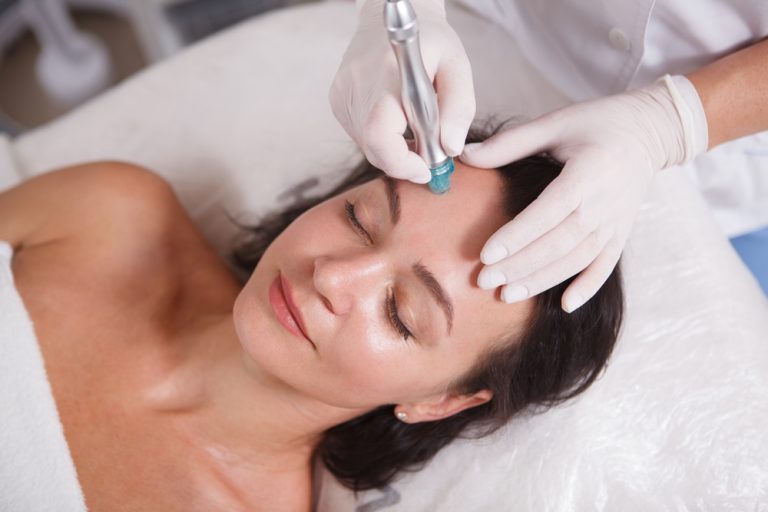
Collagen induction therapy, commonly called microneedling, uses fine sterile needles to create thousands of controlled micro-injuries in your skin’s surface. These tiny punctures trigger your body’s natural wound-healing response, flooding the treated area with collagen and elastin—the proteins responsible for firm, smooth, youthful-looking skin.
The process works below the surface. As your skin repairs these micro-channels, it doesn’t just heal—it rebuilds stronger. New collagen forms over the following weeks and months, gradually improving texture, reducing the appearance of scars, and filling in fine lines from the inside out.
Professional treatment uses medical-grade devices that penetrate to precise depths based on your specific concerns. Shallow treatments target surface texture and tone. Deeper treatments address acne scars or more significant skin damage. The controlled nature of the injury is what separates this from actual skin damage—we’re essentially telling your skin exactly where to focus its repair efforts.
Collagen Induction Therapy Cost and What You're Actually Paying For
Professional collagen induction therapy typically costs between $200 and $700 per session, depending on the treatment area, device used, and provider expertise. Most people need a series of three to six sessions spaced four to six weeks apart to achieve optimal results, bringing the total investment to roughly $600 to $4,200.
That might sound like a significant commitment, especially when you can buy at-home derma rollers for $20 to $40. But the cost difference reflects something crucial: safety, precision, and actual effectiveness. Medical-grade devices like SkinPen—the first FDA-cleared microneedling device—use sterile, single-use needle cartridges and adjustable depths that at-home tools simply cannot replicate.
The price also accounts for professional expertise. A qualified provider knows how to assess your skin type, adjust treatment depth appropriately, follow proper sterilization protocols, and recognize contraindications that could lead to complications. We’re not just operating a device—we’re applying years of training to deliver results while minimizing risks.
When comparing costs, consider what you’re actually getting. Professional treatment delivers controlled, even micro-injuries at the right depth for your concerns. At-home devices often create uneven tears by dragging across the skin rather than stamping vertically, potentially causing inflammation, irritation, or pigmentation issues. The lower upfront cost can end up costing more if you’re dealing with complications or simply not seeing results.
Many clinics offer package pricing that reduces the per-session cost when you commit to a full treatment series. Some also provide financing options to make the investment more manageable. The key is viewing this as an investment in your skin’s long-term health rather than a one-time expense.
Results from professional collagen induction therapy can last months to over a year, with maintenance treatments once or twice annually helping preserve improvements. That longevity, combined with the safety and effectiveness of professional treatment, often makes the cost worthwhile for people serious about addressing their skin concerns.
Why Clinic Skin Care Beats At-Home Microneedling Every Time
The appeal of at-home microneedling is obvious—lower cost, convenience, privacy. But the risks often outweigh those benefits, and the results rarely match what professional clinic skin care can deliver.
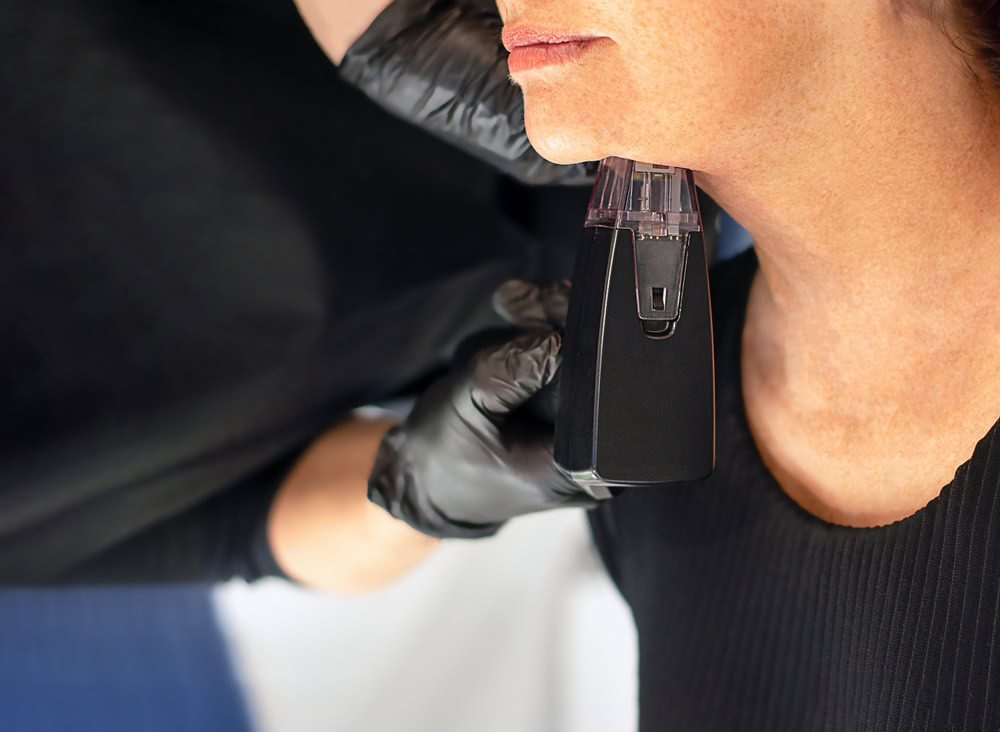
At-home derma rollers use a rolling motion that drags needles across your skin, creating micro-tears rather than clean punctures. This can lead to uneven results, increased inflammation, and a higher risk of irritation or pigmentation changes. Professional devices stamp the needles vertically into the skin, creating uniform micro-channels that heal more predictably.
Sterilization is another major concern. Most people don’t replace at-home devices as often as they should or sterilize them properly between uses. That increases infection risk significantly. In 2024, the CDC reported cases of HIV transmission linked to platelet-rich plasma microneedling performed in unregulated spa settings—a stark reminder that infection control isn’t optional.
Depth control matters too. At-home devices typically can’t penetrate deeply enough to trigger significant collagen remodeling, limiting their effectiveness to surface-level benefits like mild exfoliation. Professional devices adjust to precise depths based on what you’re treating—shallower for texture and tone, deeper for acne scars or wrinkles.
Then there’s the expertise factor. A trained provider knows how to assess your skin, identify contraindications, adjust technique for sensitive areas, and recognize when something isn’t right. We understand skin anatomy and healing processes. At home, you’re operating blind, potentially overdoing treatments or using incorrect technique without realizing it until you’re dealing with consequences.
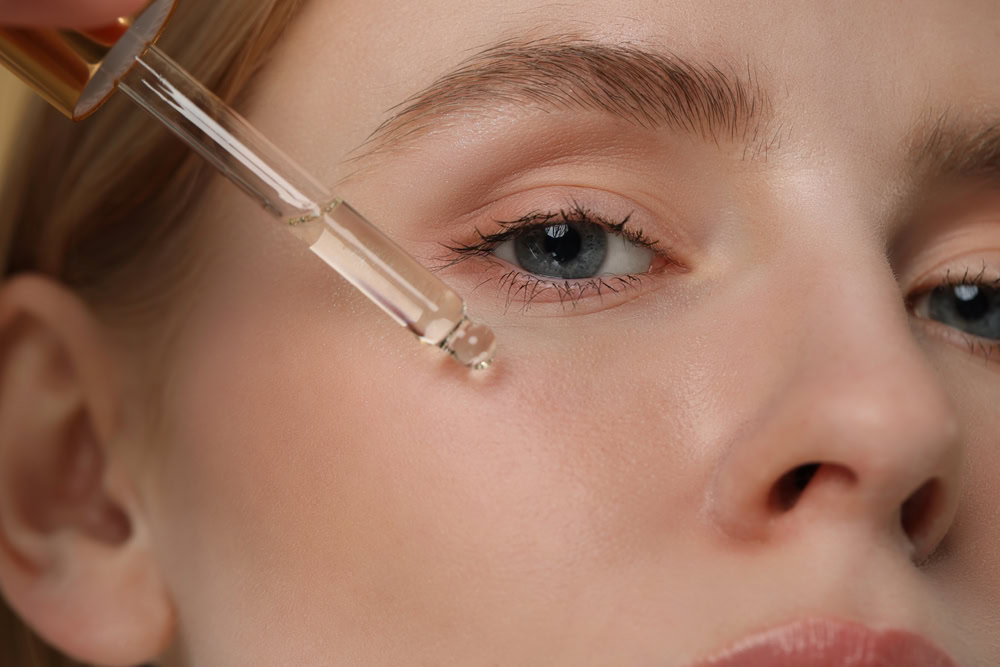
The clinic skin care environment also offers something at-home treatment can’t: medical-grade products and combination therapies. Professional treatments often incorporate specialized serums, growth factors, or PRP that enhance results. The micro-channels created during treatment allow these products to penetrate far more effectively than they would on intact skin.
If you’re considering at-home microneedling, understand what you’re actually getting. Shorter needles (0.25mm to 0.5mm) used very conservatively might offer some exfoliation benefits and improved product absorption. But for actual collagen induction and meaningful improvement in scars, texture, or wrinkles, professional treatment remains the gold standard.
The difference isn’t just about results—it’s about safety. Professional providers follow strict protocols, use FDA-cleared devices, and have the training to handle complications if they arise. That peace of mind, combined with superior outcomes, often makes clinic skin care the smarter choice for anyone serious about improving their skin.
How Effective Is Microneedling for Acne Scars and Aging Skin
Clinical studies consistently show that professional microneedling delivers measurable improvements for multiple skin concerns. Research indicates that properly performed treatment series can reduce acne scars by 50% to 70%, with patients often seeing improvement after just a few sessions.
The effectiveness comes down to collagen. As we age or experience skin damage, collagen production slows. Microneedling essentially tricks your skin into ramping up production again, triggering the same repair processes that would occur after an injury—but in a controlled, beneficial way.
For acne scars, the treatment works by breaking down fibrous scar tissue and stimulating new collagen formation that fills in depressed areas. Rolling and boxcar scars tend to respond better than deep ice-pick scars, though multiple sessions can still provide noticeable improvement even for more challenging scar types.
Fine lines and wrinkles improve as new collagen plumps the skin from within. The treatment is particularly effective for areas like around the eyes, mouth, and forehead where expression lines develop. Results appear gradually as collagen continues forming for three to six months after treatment.
How Much Is RF Microneedling and Is the Upgrade Worth It
Radiofrequency microneedling combines traditional microneedling with radiofrequency energy delivered through the needle tips, heating deeper layers of tissue to stimulate even more collagen production. This advanced treatment typically costs between $600 and $2,400 per session—significantly more than traditional microneedling.
The higher price reflects the enhanced technology and potentially more dramatic results. RF microneedling can address skin laxity and deeper wrinkles more effectively than traditional microneedling alone. The added heat energy tightens skin from within while the needles create the micro-channels that trigger collagen production.
That said, traditional collagen induction therapy delivers excellent results for many concerns without the added cost. For acne scars, texture issues, mild fine lines, and pigmentation concerns, standard professional microneedling often provides all the improvement you need. The question becomes whether the additional tightening and deeper collagen stimulation from RF justifies the extra investment for your specific goals.
Most providers recommend starting with traditional microneedling to see how your skin responds. If you’re dealing with more significant laxity or want more aggressive tightening, RF microneedling might make sense as a next step or alternative. But many people achieve their desired results with standard treatment alone, especially when combined with proper skincare and sun protection.
The decision also depends on your skin concerns and budget. If you’re primarily targeting acne scars or texture, traditional microneedling typically delivers comparable results at a lower cost. If skin tightening is a major priority and you’re willing to invest more, RF microneedling might be worth exploring.
Either way, the provider’s expertise matters more than the specific device. An experienced practitioner using traditional microneedling with proper technique and appropriate treatment depth will deliver better results than an inexperienced provider using the fanciest equipment available. Focus first on finding a qualified, skilled provider, then discuss which treatment option makes the most sense for your goals.
How Much Is a Microneedling Session and What Affects the Price
At professional skin care centers, a single microneedling session typically ranges from $200 to $700 for facial treatment. The exact price depends on several factors: your geographic location, the provider’s credentials and experience, the specific device used, and whether you’re treating just your face or adding areas like neck or chest.
Wake County, NC falls within the moderate range for pricing, with most reputable providers charging between $250 and $600 per facial session. Higher prices often reflect more experienced providers, medical-grade equipment, or practices with board-certified dermatologists or plastic surgeons on staff. Lower prices might indicate less experienced practitioners or less advanced equipment, though that’s not always the case.
The treatment area significantly impacts cost. A full face is typically the baseline price. Adding your neck might increase the cost by $100 to $200. Treating chest, hands, or other body areas for stretch marks or scarring will also add to the total.
Most providers recommend purchasing a package of three to six sessions rather than paying per treatment. Package pricing usually offers a discount—sometimes 10% to 30% off the total cost—making the overall investment more manageable. This approach also ensures you complete the full treatment series needed for optimal results rather than stopping after one or two sessions.
Some skin care centers offer combination treatments that pair microneedling with other procedures. Adding PRP (platelet-rich plasma) typically increases the cost to $500 to $1,500 per session, but many people find the enhanced results worth the investment, particularly for acne scarring or hair restoration concerns.
When evaluating pricing, look beyond the bottom line. Ask what’s included: Does the price cover a consultation? Post-treatment products? Follow-up appointments? Some providers include these elements, while others charge separately. Understanding the full cost upfront helps you compare options accurately.
Also consider the provider’s qualifications and the facility’s safety protocols. The cheapest option isn’t always the best value if you’re compromising on expertise or equipment quality. You’re trusting someone to repeatedly puncture your skin—proper training, sterile technique, and quality devices matter significantly.
Many reputable skin care centers offer financing options or payment plans to make treatment more accessible. Some accept HSA or FSA funds, though you’ll want to check with your specific plan since microneedling is typically considered cosmetic rather than medically necessary.
Finding Safe Collagen Induction Therapy in Wake County, NC
Collagen induction therapy delivers real, measurable improvements in skin texture, acne scars, fine lines, and overall skin quality—but only when performed by qualified professionals using proper equipment and safety protocols. The difference between transformative results and potential complications often comes down to provider expertise and treatment quality.
Professional treatment costs more than at-home options, but that investment buys you precision, safety, and effectiveness that DIY devices simply cannot match. Medical-grade equipment, sterile technique, proper depth control, and expert assessment of your individual skin needs all contribute to better outcomes with minimal risk.
If you’re considering collagen induction therapy in Wake County, NC, we offer award-winning expertise with personalized treatment plans designed around your specific concerns and goals. Every consultation is complimentary, giving you the opportunity to discuss your skin, understand the process, and make an informed decision about whether this treatment is right for you.