Summary:
You’ve seen the ads. Smooth skin, erased wrinkles, glowing complexions that look too good to be true. But walk into the wrong place and you’re paying premium prices for treatments that barely move the needle. The difference between a medical spa that delivers results and one that just looks nice on Instagram comes down to expertise, equipment, and whether they’re actually addressing your skin at a medical grade. If you’re tired of throwing money at products and services that don’t work, here’s what you need to know about the treatments that actually make a difference—and how to find them in Wake County, NC.
Medical Spa Services vs Traditional Spa Treatments
There’s a reason medical spa services cost more than a day spa facial, and it’s not just marketing. Traditional spas focus on relaxation and surface-level pampering. Medical spas operate under the supervision of licensed medical professionals and use clinical-grade technology that can actually change your skin’s structure.
Think of it this way: a regular facial might make your skin feel nice for a day or two. A HydraFacial at a certified medical spa is using patented technology to extract debris from your pores while infusing medical-grade serums that your skin can actually absorb. One is maintenance. The other is transformation. The catch is that not every place calling itself a “med spa” is actually delivering medical-grade care, which is why credentials matter more than the decor.
What Makes a Treatment Medical-Grade
Medical-grade doesn’t just mean “stronger.” It means the person performing your treatment has the training to assess your skin, understand contraindications, and adjust protocols based on how your skin responds. In North Carolina, medical aestheticians must be licensed, and certain treatments require supervision by a physician or nurse practitioner.
Here’s what separates medical spa aesthetics from regular spa services. Medical spas can offer treatments that penetrate deeper layers of skin, like microneedling that stimulates collagen production or chemical peels that go beyond the surface to address hyperpigmentation and scarring. These aren’t just facials with fancier names. They’re procedures that require understanding skin biology, wound healing, and how to avoid complications.
The equipment matters too. A HydraFacial machine at a certified clinic isn’t the same as a knockoff device someone bought online. Medical-grade lasers for pigmentation treatment are calibrated differently than aesthetic lasers. The difference shows up in your results and your safety. When you’re researching clinic skin care options, ask about certifications, who’s performing the treatment, and what kind of training they have. If they can’t answer clearly, that’s your signal to keep looking.
You should also know that medical spas can combine treatments in ways traditional spas can’t. Pairing a chemical peel for hyperpigmentation with a series of laser treatments can address pigment at multiple depths. Following microneedling with specific serums enhances absorption and results. These protocols require medical knowledge to execute safely, which is why the “medical” part of medical spa services isn’t just a buzzword.
How to Verify You're Getting Real Medical Oversight
You’d be surprised how many places use “medical spa” in their name without actual medical oversight. Some states barely regulate this industry, but North Carolina has specific requirements. Medical spas must have a licensed physician, nurse practitioner, or physician assistant serving as medical director. That person is responsible for protocols, training, and making sure treatments are performed safely.
Before you book anything, ask who the medical director is and verify their credentials. Check if the esthetician performing your treatment is licensed in North Carolina. Look for certifications specific to the treatments you’re considering. For example, HydraFacial offers different levels of certification, and Master Certification means the provider has completed advanced training and maintains high standards. That’s not just a nice-to-have. It’s proof they know what they’re doing.
Red flags include places that won’t tell you who their medical director is, staff who can’t explain how a treatment works, or anyone promising results that sound too good to be true. Real medical professionals will tell you what’s realistic, how many sessions you’ll likely need, and what the limitations are. They’ll also turn you away if you’re not a good candidate for a treatment, which might be disappointing in the moment but shows they’re prioritizing your safety over a sale.
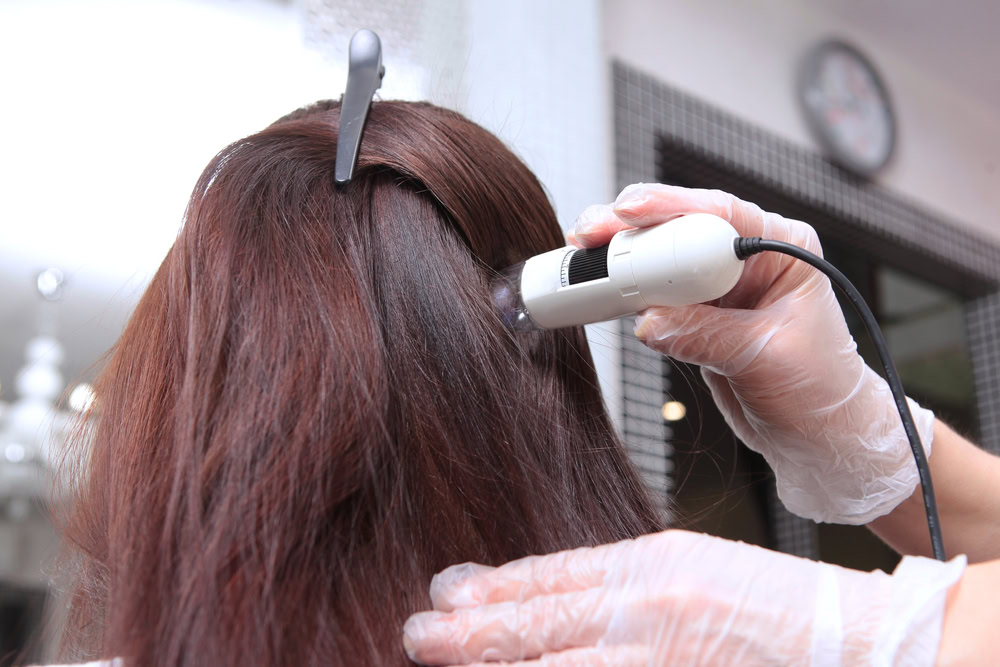
Another thing to watch for is whether they’re actually customizing your treatment. Cookie-cutter protocols are a sign you’re not getting medical-grade care. Your skin is different from the person before you, and your treatment plan should reflect that. A proper consultation includes analyzing your skin type, discussing your concerns and goals, reviewing your medical history, and creating a plan that makes sense for you specifically. If someone’s ready to book you for a treatment without asking questions, walk out.
HydraFacial and Professional Skincare Treatments
HydraFacial has become one of the most requested treatments at medical spas, and for good reason. It’s not a traditional facial. The patented Vortex-Fusion technology cleanses, exfoliates, extracts, and hydrates in one session, using medical-grade serums customized to your skin’s needs. The results are immediate, there’s zero downtime, and it works on all skin types.
What makes HydraFacial different from other facials is the technology and the serums. The spiral suction tip removes impurities while simultaneously delivering antioxidants, peptides, and hyaluronic acid deep into your skin. You’re not just getting surface hydration. You’re getting ingredients that actually penetrate and create change. Most people see brighter, clearer, more hydrated skin right after their first treatment.
Who Benefits Most from HydraFacial Treatments
HydraFacial works for almost everyone, but certain people see especially dramatic results. If your skin is dehydrated, dull, or congested, this treatment addresses all three issues in about 30 minutes. People dealing with fine lines, uneven texture, or enlarged pores also respond well because the exfoliation and hydration combo smooths and plumps the skin.
It’s also one of the best options if you have sensitive skin or conditions like rosacea. Unlike some chemical peels or laser treatments that can trigger inflammation, HydraFacial is gentle enough for reactive skin while still delivering visible improvement. You can even get one right before an event because there’s no redness or peeling afterward. Your skin just looks better immediately.
That said, HydraFacial isn’t a one-and-done solution for deeper concerns like severe acne scarring or significant hyperpigmentation. It’s excellent for maintenance and surface-level improvement, but if you’re dealing with issues that go deeper into the dermis, you’ll likely need to pair it with other treatments like microneedling or laser therapy. We’ll tell you this upfront instead of overselling what HydraFacial alone can do.
The other thing to know is that results are cumulative. One treatment gives you that immediate glow, but a series of treatments—usually once a month—creates longer-lasting change. Regular HydraFacials can actually improve your skin’s overall health over time, making it more resilient and better able to retain moisture. Think of it as a professional-grade reset for your skin that compounds with consistency.
HydraFacial Certification and What It Means
Not all HydraFacials are created equal, and certification level matters. HydraFacial offers training at different tiers, with Master Certification being the highest. Providers who achieve this level have completed extensive training, demonstrated advanced technique, and committed to maintaining the highest standards. There are only about 100 Master Certified providers worldwide, so if you’re getting treatment from one, you’re in expert hands.
Why does this matter? Because even with the same machine, technique affects results. A Master Certified provider knows how to adjust suction levels for different skin types, which serums to use for specific concerns, and how to customize the treatment so you get the most benefit. They’ve also been trained to identify when HydraFacial isn’t the right choice and what to recommend instead.
When you’re comparing medical spa services in Wake County, NC, ask about HydraFacial certification. If they can’t tell you or if they’re using a different hydradermabrasion system and calling it a HydraFacial, that’s a red flag. The real thing uses specific technology and protocols, and certified providers have invested in the training to use it correctly. That investment shows up in your skin.
You should also know that HydraFacial can be customized with boosters for specific concerns. There are options for brightening, firming, clarifying, and more. A well-trained provider will recommend the right combination based on your consultation, not just default to the same protocol for everyone. That level of personalization is what separates a good HydraFacial from a great one, and it’s only possible when the person performing it actually understands skin and how the technology works.
Microneedling for Collagen Production and Skin Renewal
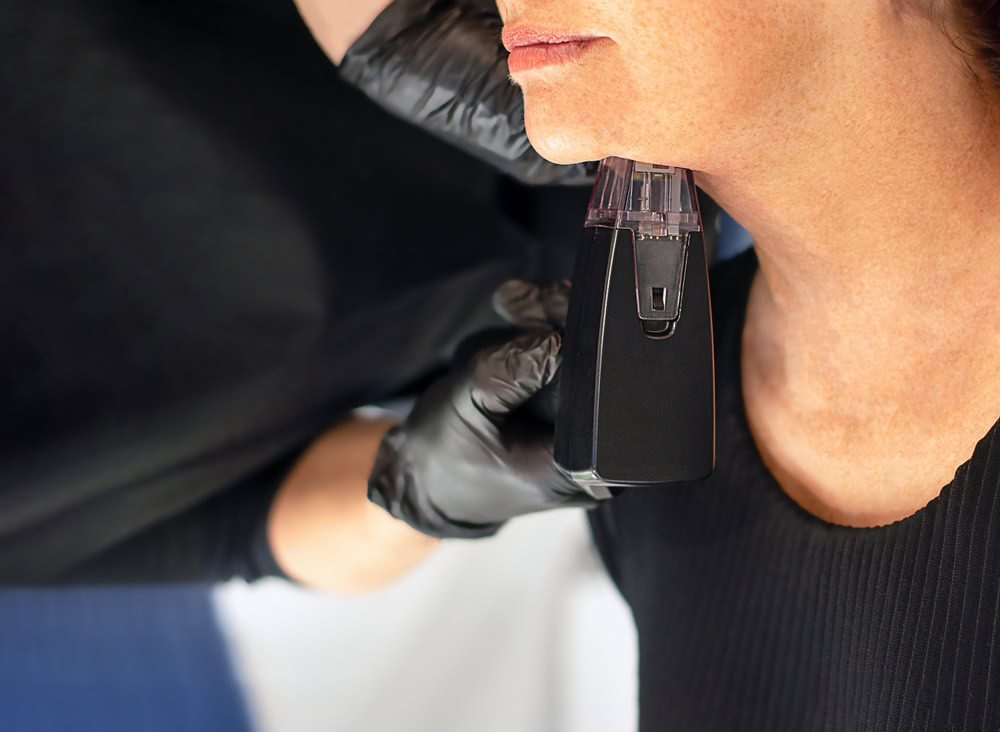
Microneedling, also called collagen induction therapy, uses fine needles to create controlled micro-injuries in your skin. That might sound counterintuitive, but those tiny punctures trigger your body’s healing response, which ramps up collagen and elastin production. The result is firmer, smoother skin with improved texture and reduced scarring over time.
This treatment is particularly effective for acne scars, large pores, fine lines, and uneven skin texture. Unlike treatments that work on the surface, microneedling reaches the dermis where collagen lives. That’s why results are more dramatic and longer-lasting than surface treatments, but it also means you need to be patient. Visible improvement usually starts around three months as new collagen forms, and most people need a series of four to six sessions spaced about a month apart.