Summary:
You fill in your brows every morning. The color fades by lunch. You’ve looked at those DIY kits online and wondered if they’re worth trying.
Here’s what actually matters: your brows frame your entire face, and the difference between professional eyebrow tinting and a home kit isn’t just about convenience. It’s about getting a color that actually matches your skin tone, an application that looks natural instead of patchy, and results that last without the guesswork or potential disasters.
Let’s talk about what professional eyebrow tinting really involves, why it works better than DIY, and what you should know before your first appointment.
What Professional Eyebrow Tint Actually Does
Eyebrow tinting is a semi-permanent coloring process that darkens your natural brow hairs using specially formulated dye. Think of it like hair color, but designed specifically for the delicate brow area with ophthalmologist-tested formulas.
The process takes about 15 to 30 minutes. A trained esthetician applies color that’s been custom-matched to your hair, skin tone, and personal preferences. The dye sits for 5 to 10 minutes, then gets removed to reveal darker, more defined brows.
Results typically last four to six weeks on the hair itself. Some formulas also stain the skin beneath for a few days, creating an even fuller effect. You wake up with color already there, no pencil or gel required.
Henna Eyebrow Tint vs Traditional Dye
You have two main options when it comes to professional eyebrow tinting in Wake County: traditional dye and henna. Each works differently and delivers distinct results.
Traditional eyebrow tint uses synthetic dyes similar to hair color. It primarily colors the brow hairs themselves, with minimal skin staining that fades within one to two days. The color on your actual hair lasts about four to six weeks. Processing time is quick, usually five to ten minutes, and you get a wide range of shades to choose from. This option works well if you have a good brow shape already and just want to enhance the color of your existing hairs.
Henna eyebrow tint comes from plant-based ingredients, specifically the henna plant. The biggest difference is that henna stains both the hair and the skin underneath. The skin stain can last one to two weeks, while the color on the hair itself holds for six to eight weeks. This makes henna ideal if you have sparse areas or gaps you want to fill in temporarily. The skin stain creates a powder-filled effect, similar to what you’d get with a brow pencil, but it’s already there when you wake up.
Henna takes a bit longer to process, usually 10 to 20 minutes, and must stay completely dry for at least 12 hours after application for maximum longevity. It’s also better at covering gray or white brow hairs because it coats the hair rather than penetrating it like traditional dye does.
The choice between the two often comes down to your brow density and how much fill you want. Sparse brows with gaps benefit more from henna’s skin-staining properties. Fuller brows that just need color enhancement do well with traditional tint. We can assess your brows during consultation and recommend which formula makes the most sense for your specific situation.
Best Eyebrow Tint Results Come from Color Matching
The best eyebrow tint isn’t the darkest or the most dramatic. It’s the one that looks like it belongs on your face.
Professional color matching takes into account three things: your natural hair color, your skin’s undertone, and what you’re actually trying to achieve. Warm undertones pair better with browns that have golden or auburn notes. Cool undertones look more natural with ash or taupe shades. Someone with black hair might actually want brows one shade lighter for a softer, more approachable look.
This is where DIY kits fall short. You’re choosing from a limited range based on a photo on a box, with no way to test or adjust. Professionals can mix shades, customize intensity, and make real-time decisions based on how the color develops on your specific hair texture and skin type.
The wrong shade doesn’t just look off. It can make your brows look drawn-on, age you, or clash with your overall coloring. A shade that’s too dark can appear harsh, especially on fair skin. A shade that’s too light won’t give you the definition you’re looking for.
During a professional consultation, your esthetician evaluates your natural brow color, asks about your goals, and often applies a small test area to see how the color takes before committing to the full application. That level of customization isn’t something you can replicate at home, no matter how many YouTube tutorials you watch.
Color matching also accounts for how your brows will look as the tint fades. A well-chosen shade fades naturally over the four to six week period, lightening gradually rather than turning an odd tone. Professionals understand how different dyes fade on different hair types and can select formulas that age gracefully.
Professional Eyebrow Tint vs DIY Kits
The appeal of DIY eyebrow tinting is obvious: it’s cheaper, you can do it on your own schedule, and you don’t have to leave your house. But the cost savings come with real trade-offs.
Professional tinting in Wake Forest typically runs $20 to $80 depending on your provider and whether you’re combining it with other services. DIY kits cost $10 to $25 and include multiple applications. On paper, that’s a significant difference. In practice, the gap narrows when you factor in what you’re actually getting.
Professional application means you’re paying for expertise, not just product. You’re getting custom color matching, precise application, safe formulas tested for facial use, and someone who knows how to fix issues if they arise.
Why Professional Application Matters More Than You Think
Application technique makes the difference between brows that look naturally fuller and brows that look like you made a mistake.
Professionals apply a barrier cream around your brows before tinting to prevent staining on the surrounding skin. They use precise brushes to coat each hair evenly, working in the direction of hair growth to ensure thorough coverage. They know how long to leave the dye on based on your hair texture, how porous your hair is, and the intensity you want. They can adjust mid-process if needed.
DIY application means you’re working in a mirror, trying to coat both brows evenly while a timer counts down. You’re guessing at processing time. You’re hoping the barrier cream you applied actually stays where you put it. And if you mess up, you’re stuck with the results for weeks.
The most common DIY problems are uneven color, accidental skin staining that won’t come off, brows that end up too dark because you left the dye on too long, and patchy results because you didn’t coat every hair. Fixing these mistakes often costs more than just getting professional tinting in the first place.
There’s also the safety factor. Professional estheticians perform patch tests to check for allergic reactions before applying dye near your eyes. They use formulas that have been tested for use around the delicate eye area. Many DIY kits use the same dyes as beard or hair color products, which aren’t always formulated with the same safety standards for facial application.
Allergic reactions to brow tint are rare, but when they happen, they can cause burning, irritation, swelling, or in severe cases, hair loss. Having a trained professional who knows what to watch for and how to respond if something goes wrong is worth more than the money you’d save doing it yourself.
Beyond safety, there’s the consultation aspect. A professional doesn’t just apply color. They assess your brow shape, discuss whether you might benefit from waxing or threading to clean up the outline, and recommend which type of tint will work best for your lifestyle and maintenance preferences. That expertise isn’t included in a box.
What to Expect During Professional Eyebrow Tinting
Knowing what happens during your appointment helps you show up prepared and confident.
You’ll start with a consultation. Your esthetician will ask about your brow goals, examine your natural brow color and skin tone, and discuss whether traditional tint or henna makes more sense for you. This is when you’ll choose your shade. Don’t be afraid to speak up if you want something more natural versus more dramatic. This is also the time to mention any skin sensitivities or allergies.
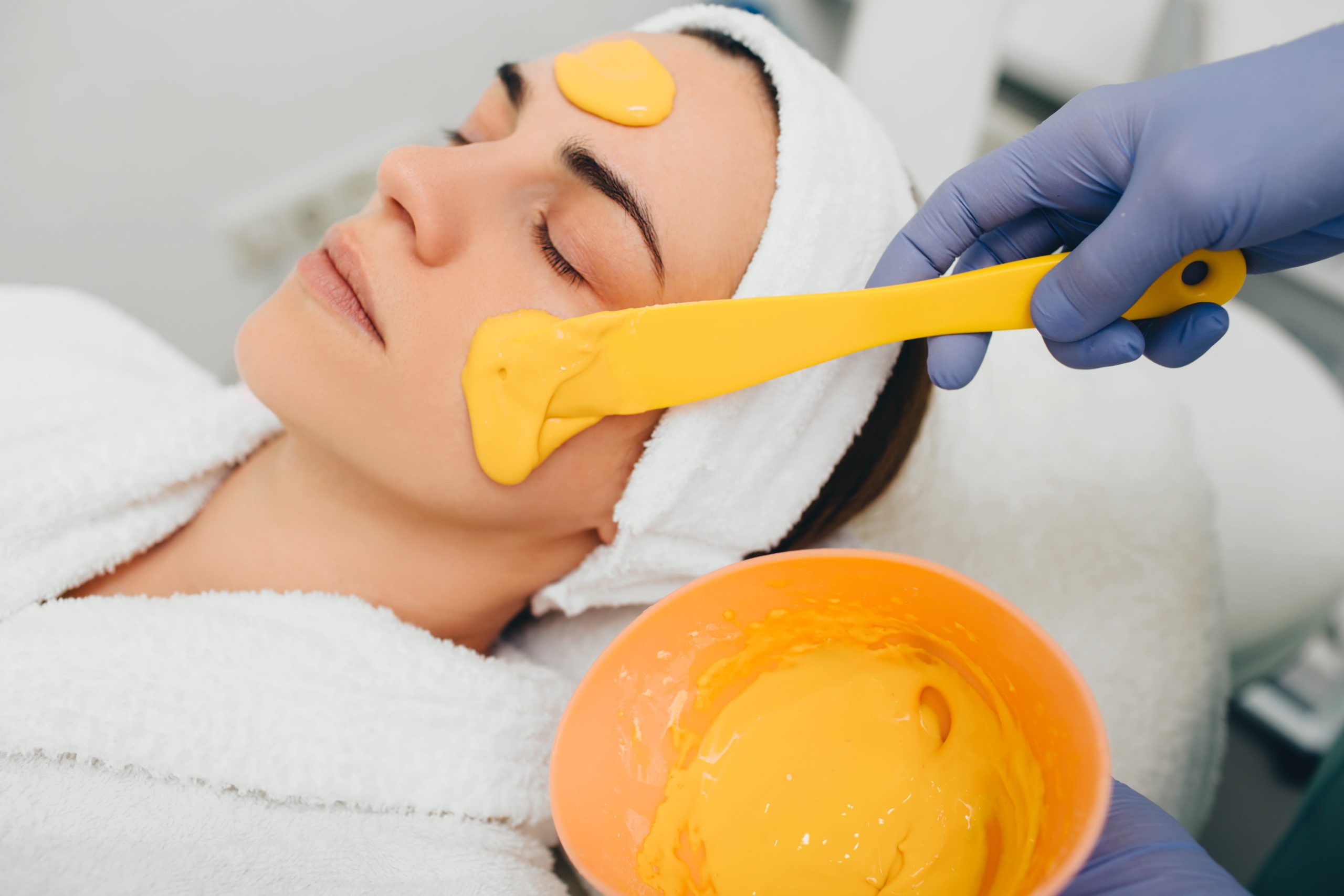
Next comes prep. Your esthetician will cleanse your brow area to remove any makeup, oil, or product buildup. Clean skin and hair allow the dye to adhere properly. They’ll apply a protective barrier cream around the edges of your brows to prevent staining on your forehead and eyelids.
Then the actual tinting begins. Using a small brush or applicator, your esthetician carefully applies the dye to each brow hair, making sure every hair is coated. The dye sits for five to ten minutes for traditional tint, or 10 to 20 minutes for henna, depending on the desired intensity.
While the dye processes, you’ll just relax. Some people close their eyes, some scroll on their phone. It’s a low-key part of the appointment.
When time’s up, your esthetician removes the dye with a damp cloth or cotton pad, using gentle pressure to wipe away all the product. You’ll see the results immediately. Your brows will look darker and more defined right away.
The whole process takes 15 to 30 minutes from start to finish. If you’re combining tinting with brow shaping, waxing, or threading, expect closer to 45 minutes total.
After your appointment, you’ll get aftercare instructions. The main one is keeping your brows dry for the first 12 to 24 hours. No washing your face with heavy cleansers over the brow area, no swimming, no sweaty workouts. Water can strip the dye before it’s fully set. After that first day, you can resume your normal routine.
Your tint will be darkest for the first week, then gradually lighten over the next several weeks. Most people come back for touch-ups every four to six weeks to maintain consistent color. Some prefer to let it fade completely and only tint before special events or during certain seasons.
Getting Eyebrow Tinting Done Right in Wake County
Professional eyebrow tinting gives you weeks of fuller-looking, defined brows without the daily maintenance. The difference between professional application and DIY comes down to expertise, safety, and results that actually look natural instead of like a home experiment gone wrong.
When you’re choosing where to get your brows tinted in Wake County, look for licensed estheticians with training in color theory and facial aesthetics. Ask about the formulas they use and whether they’re ophthalmologist-tested. Pay attention to whether they offer real consultation before applying anything to your face, not just a quick color choice.
At Wake Skincare in Wake Forest, we combine award-winning expertise with personalized color matching and medical-grade standards for every treatment. You’re not just getting a service. You’re getting someone who understands pigmentation, has won international competitions for color work, and approaches your brows the same way we approach any aesthetic treatment—with precision, care, and results that actually enhance what you already have.