
Summary:
You’ve done the research. You’ve seen the before-and-afters. You’re ready to stop spending twenty minutes every morning filling in your brows and finally do something about it. The problem isn’t finding a microblading artist in Wake County — there are plenty. The problem is figuring out which ones actually know what they’re doing, and which ones you’ll be quietly regretting six weeks from now when your brows heal into something you didn’t sign off on.
This guide is for you. We’ll walk you through how the process works, what to look for in a provider, and what Wake County residents specifically need to know before booking.
What Are Permanent Eyebrows — and Is Microblading the Right Technique for You?
“Permanent eyebrows” is a broad term that covers several different semi-permanent brow techniques, and microblading is just one of them. Traditional microblading uses a fine blade to deposit pigment in hair-like strokes that mimic natural brow hairs. It tends to work beautifully for people with normal-to-dry skin who want a soft, natural result. But it’s not the only option — and for some clients, it’s not even the best one.
Nano brows use a machine with an ultra-fine needle instead of a blade, which creates less trauma to the skin and tends to hold better for clients with oily skin. Powder brows produce a soft, filled-in look — think brow powder, not individual hairs — and are ideal if you want more definition or a slightly more polished finish.
The technique that’s right for you depends on your skin type, your lifestyle, and what you actually want to see in the mirror every morning.
How Does the Microblading Process Actually Work?
Here’s what a real microblading appointment looks like from start to finish — because most people have no idea what they’re walking into, and that uncertainty is usually what holds them back from booking.
It starts with a consultation. We ask about your skin type, any medications you’re taking, your lifestyle, and what you’re hoping to achieve. This isn’t small talk — it’s how we figure out which technique is right for you and whether there are any contraindications to address first. If a provider skips this step or rushes through it, that’s worth noting.
Next comes brow mapping. This is where your artist measures your facial proportions and bone structure to design a brow shape that actually fits your face. You’ll see the design — usually drawn on with a pencil or marker — before anything permanent happens. You have full approval before the procedure begins. If an artist doesn’t offer this step, or uses a one-size-fits-all stencil, the result will show it.
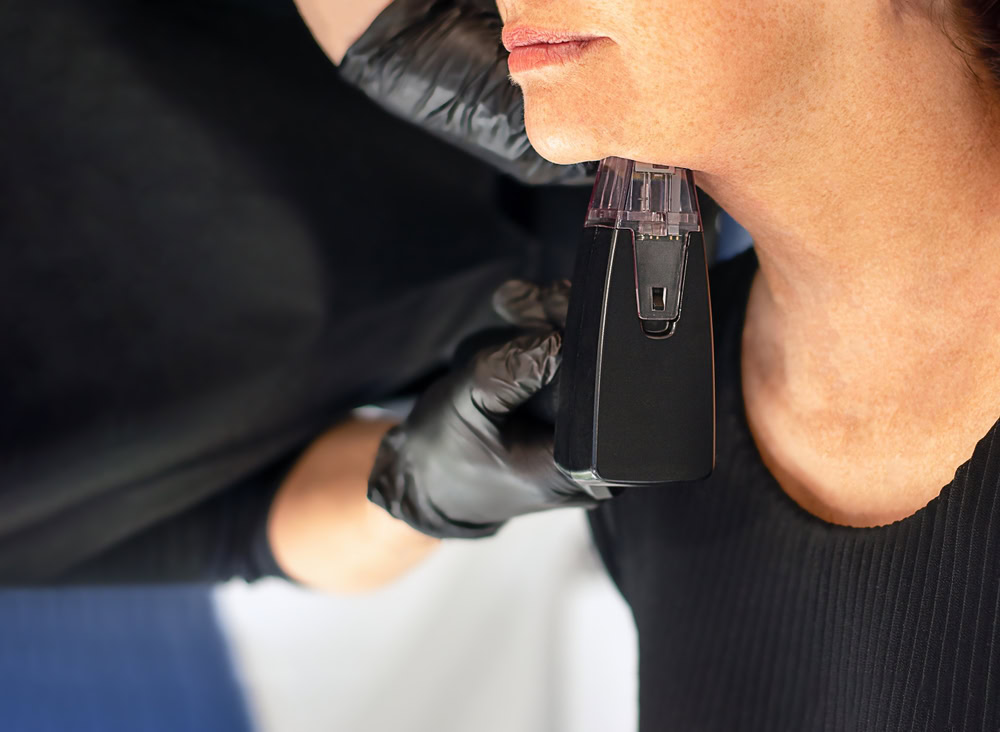
Once you’ve approved the shape, numbing cream is applied and left to work for a period of time before the procedure starts. Most clients describe the sensation during microblading as a light scratching — noticeable, but manageable. The actual stroke work typically takes 30 to 45 minutes, though the full appointment — mapping, numbing, procedure, and aftercare review — can run up to two hours.
After the procedure, there’s a healing period of about four to six weeks. The brows will look darker and more defined immediately after, then appear to fade significantly as the skin heals. This is normal. A follow-up touch-up appointment, usually scheduled around the six-week mark, is where the artist fills in any areas that didn’t retain pigment as expected and makes any final adjustments. That touch-up isn’t optional — it’s where the result is actually completed.
What Does Microblading Cost in Wake County, NC?
Pricing in Wake County generally runs between $250 and $850, depending on the artist’s experience level and the complexity of your brows. Nationally, first sessions typically fall in the $400 to $900 range, so Wake County sits in line with broader market pricing — though you’ll find outliers on both ends.
Here’s the thing about pricing in this category: the lower end of the range should raise questions, not excitement. Microblading is a semi-invasive procedure that affects the center of your face for one to two years. The pigment is deposited under the surface of the skin. A poorly executed result — whether that’s an unnatural shape, the wrong color, or inconsistent retention — isn’t something you can wash off. Correction work is possible, but it’s time-consuming, expensive, and not always complete.
That doesn’t mean the most expensive artist is automatically the best. What it means is that price alone is a bad filter. The better filters are verifiable credentials, a portfolio of healed results (not just fresh-off-the-table photos), and a clear explanation of what’s included — specifically whether the touch-up appointment is part of the service or a separate charge. Some providers include it; some don’t. Ask before you book.
One more thing specific to Wake County: microblading is not regulated by the North Carolina Board of Cosmetic Art Examiners. The state cosmetology board explicitly notes that microblading falls outside their scope of practice. In Wake County, it’s regulated at the county level by the Environmental Health Department, and practitioners are required to hold a tattoo license — not an esthetician license. Most clients don’t know this. Most provider pages don’t mention it. Asking a prospective artist about their licensing in Wake County is a completely reasonable question, and a legitimate provider will answer it without hesitation.
How to Choose a Brow Microblading Artist in Wake County, NC
Wake County has grown fast. The Raleigh-Cary metro added more than 10% to its population since 2020, and a significant portion of that growth came from people relocating from other states. If you’re new to the area, you don’t have years of local word-of-mouth to rely on. You’re starting from scratch, and you need a faster way to filter for quality.
The good news is that there are clear, objective markers that separate skilled artists from those who are still figuring it out. Credentials from verifiable external sources — named awards, competition placements, recognized certifications — carry far more weight than self-applied descriptions like “experienced” or “trained professional.” Anyone can write that. Not everyone can point to a first-place finish at an international aesthetics competition.
What to Look for When Choosing a Microblading Artist
Start with the portfolio — but look specifically for healed results. Fresh microblading almost always looks clean and defined. Healed results, photographed four to six weeks after the procedure, are where an artist’s true skill shows. Pigment retention, color accuracy, stroke definition, and shape consistency all look very different once the skin has fully healed. An artist who only shows you fresh photos is showing you the easy part.
After the portfolio, look at credentials. Are they specific and verifiable? A named certification body, a competition with published results, a local award from a recognizable publication — these are things you can look up. Vague claims about training or experience are harder to evaluate.
Ask about our approach to your specific skin type. If you have oily skin, ask directly whether we’d recommend traditional microblading or an alternative technique. If you have a darker skin tone or any history of hyperpigmentation, ask whether we have experience working with clients like you. Not all artists do. Pigment behaves differently across skin types and tones, and an artist who hasn’t worked extensively with diverse complexions may not be the right fit — regardless of how good their portfolio looks on lighter skin.
Finally, ask what’s included. Does the touch-up appointment come with the service, or is it a separate booking and separate charge? Is there a consultation before you commit? A free consultation isn’t just a nice perk — it’s a chance to evaluate the artist’s communication, ask your questions without pressure, and see whether their approach actually matches what you’re looking for. If a provider pushes you toward a deposit before you’ve had a real conversation about your skin history and goals, slow down.
Are Brow Microblading and the Best Eyelash Extensions a Good Combination?
A lot of clients come in asking about microblading and end up asking about lashes in the same conversation. That makes sense. The two services are complementary — both are about waking up looking put-together without the daily effort, and both sit in the same part of your face. If you’re already investing in your brows, it’s worth thinking about whether lashes belong in the picture too.
The short answer is yes, they tend to pair well — but timing matters. You’ll want to let your brows fully heal before adding lash services into the mix, both to avoid any cross-contamination during the healing phase and to see your brows in their settled, healed state before deciding what kind of lash look complements them. We’ll walk you through the sequencing.
When you’re evaluating a provider for lash work, apply the same filters you’d use for brow microblading. Look for a portfolio, ask about technique options, and check whether the artist has any formal recognition in lash artistry specifically. Generic “lash extensions” offered as an afterthought at a multi-service salon is a different thing than a provider who has competed — and placed — in a lash and brow category at a recognized international competition.
At Wake Skincare, Jacqueline Grace placed second in Lash and Brow Artist of the Year at The Skin Games — an international aesthetics competition — in addition to her first-place finish in Pigmentation Artist of the Year. She’s also been named Best Esthetician in Wake County by Wake Weekly’s Best of the Best three years running, including first place in 2022. Those aren’t self-applied titles. They’re external, verifiable recognitions from a local publication Wake County residents actually know and from a competition with published results. If you’re looking for someone who can handle both brows and lashes at a high level — and who has the credentials to prove it — that combination is harder to find than you’d expect in this market.
Finding the Right Brow Artist in Wake County Comes Down to This
The Wake County brow market has a lot of options. Some are excellent. Some are not. The difference between a result you’ll love for the next two years and one you’ll spend that same time trying to correct usually comes down to a few things: an artist who maps your brows to your face, not a stencil; a portfolio of healed results you can actually evaluate; credentials you can verify; and a clear, honest conversation before anything permanent happens.
If you’re somewhere along I-540, US-1, or NC-98 and you’ve been looking for a provider in the northern Wake County area worth the drive, we’d encourage you to start with a consultation. No pressure, no deposit required — just a real conversation about your brows, your skin type, and what you’re actually hoping to achieve.
Wake Skincare offers free consultations for exactly this reason. Reach out, ask your questions, and see if we’re the right fit for what you’re looking for.