
Summary:
You’ve tried the serums. The vitamin C. The niacinamide. Maybe even a peel from a drugstore kit. And the dark spots are still there. At that point, it’s fair to start wondering whether a professional treatment — HydraFacial, laser, IPL — is actually worth the investment, and which one is right for your skin.
The honest answer is that it depends on what’s causing your hyperpigmentation and what your skin can safely handle. This guide walks you through both options, what they actually do, what they cost in Wake County, and what to watch out for — so you can make a decision you feel good about.
Laser Hyperpigmentation Removal Cost: What You're Actually Paying For
Laser and IPL treatments for hyperpigmentation typically range from $300 to $600 per session nationally. In Wake County and the surrounding Triangle area, pricing from established providers runs closer to $450 to $640 per session, with some clinics offering multi-session packages — Duke Health, for example, lists a package of three IPL sessions at $1,200.
Most people need between three and six sessions to see meaningful, lasting improvement. Sessions are usually spaced four to six weeks apart, which means you’re looking at a multi-month commitment. That’s not a limitation of the treatment — it’s just the honest reality of how pigmentation correction works at a cellular level.
What Makes Hyperpigmentation Laser Treatment Cost Go Up or Down?
The price per session isn’t arbitrary. A few real factors move it in either direction, and understanding them helps you evaluate quotes more clearly.
The size of the treatment area matters. A small patch of post-acne marks on your cheek costs less to treat than full-face, neck, and chest coverage. The technology being used matters too — a standard IPL machine and a non-ablative fractional laser like Clear & Brilliant are different tools with different price points and different applications. Clear & Brilliant tends to be gentler and is often better suited for clients with medium to deeper skin tones, while standard IPL is more commonly used for sun damage and age spots on lighter skin.
Provider expertise is probably the biggest variable, and it’s the one people underestimate most. A session at a national chain offering a $150 IPL deal and a session with a credentialed specialist who has placed first internationally in pigmentation correction are not the same thing — even if both involve a light-based device. The machine doesn’t treat your skin. The person calibrating it does.
For clients with Fitzpatrick skin types III through VI, this distinction isn’t just about results. It’s about safety. Improperly calibrated laser treatments carry a real risk of post-inflammatory hyperpigmentation — meaning the treatment itself can make dark spots worse if the settings aren’t dialed in for your skin tone. This is well-documented in dermatology literature, and it’s one of the most common concerns we hear from clients who’ve had a bad experience elsewhere.
Choosing a provider who understands how to adjust protocols for skin of color isn’t a luxury. It’s the baseline. Geographic location plays a role as well. Wake County sits in one of the fastest-growing metros in the Southeast, and the concentration of med spas and aesthetic clinics here is dense. That’s good for competition, but it also means the range of provider quality is wide. Price alone won’t tell you which end of that range you’re dealing with.
IPL Photofacial Cost vs. Other Laser Options: Is There a Meaningful Difference?
Intense Pulsed Light — is often grouped with laser treatments, but it’s technically different. Lasers emit a single focused wavelength of light; IPL uses a broad spectrum. Both can target melanin to break up pigmentation, but they’re not interchangeable, and the right choice depends on your skin tone and the type of hyperpigmentation you’re dealing with.
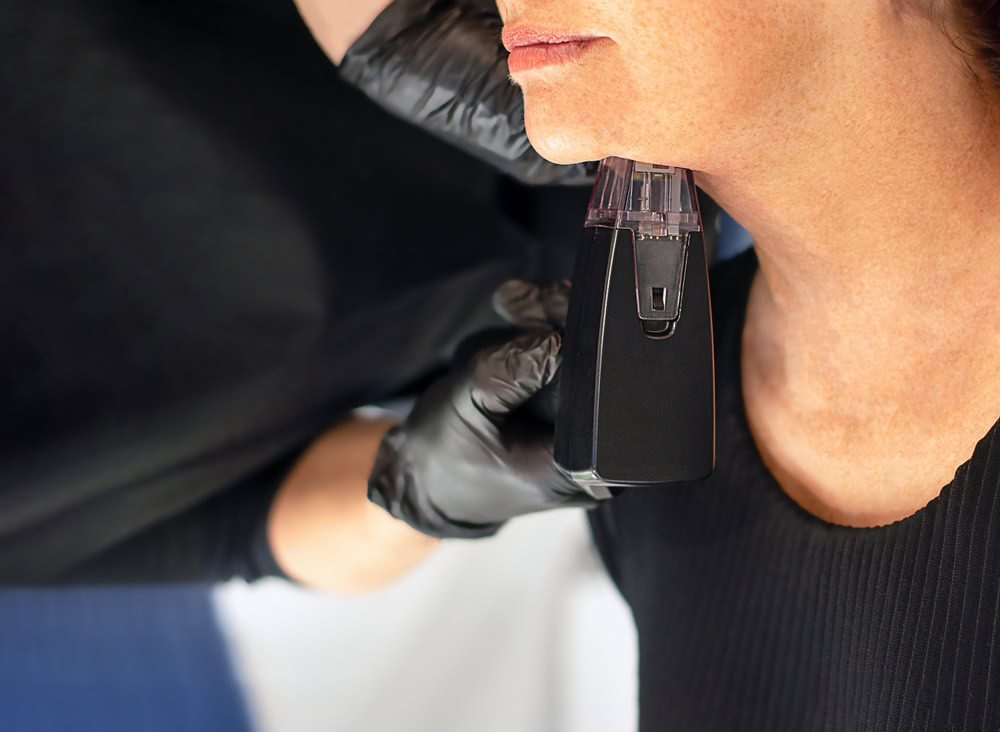
For sun spots and age spots on lighter skin, IPL photofacial cost tends to be on the lower end of the laser spectrum — often in the $300 to $500 range per session — and it can be highly effective. For clients with darker complexions, or for hyperpigmentation rooted in inflammation rather than sun damage, a non-ablative fractional laser like Clear & Brilliant is often the safer and more targeted option. The cost per session may be comparable, but the clinical reasoning behind the recommendation is different.
Melasma is another case where the laser conversation gets more nuanced. Certain laser types and settings can actually trigger melasma flares rather than improve them. We assess whether your pigmentation is sun-induced, hormonally driven, or post-inflammatory before recommending any light-based treatment — because the root cause changes the right answer entirely.
This is why the consultation step matters so much. Not as a formality, but as a genuine diagnostic moment. At Wake Skincare, every client starts with a complimentary one-on-one skin evaluation that includes AI-powered analysis — not to upsell, but to make sure the treatment plan actually fits your skin before anything else happens.
HydraFacial for Hyperpigmentation: How It Compares
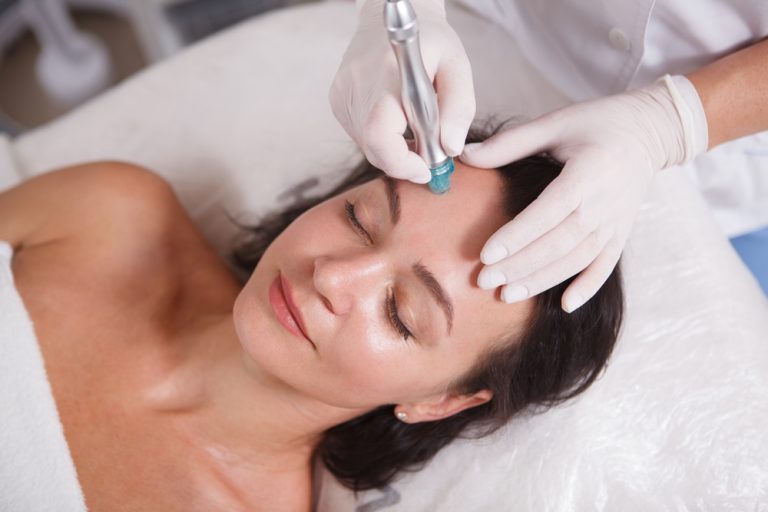
HydraFacial works differently than laser. Instead of targeting pigment with light energy, it uses a multi-step process to cleanse, extract, exfoliate, and infuse the skin with targeted serums — all in a single session, typically under an hour. For hyperpigmentation specifically, the treatment can be paired with brightening boosters like Britenol, which is formulated to address dark spots and uneven tone.
The results from a single HydraFacial are real, but surface-level hyperpigmentation responds better to a series of treatments over time. It’s not a one-and-done fix. What it is, though, is a gentler entry point — particularly for clients who aren’t sure their skin is ready for laser, or who want to improve overall skin health before layering in more intensive treatments.
HydraFacial vs Laser for Dark Spots: Which One Should You Start With?
This is probably the most common question we get, and the honest answer is: it depends on your skin, not on which treatment sounds more impressive.
HydraFacial is a strong starting point if your hyperpigmentation is mild to moderate, if your skin is reactive or sensitive, if you’ve never had a professional treatment before, or if you want zero downtime. It addresses the surface layer, improves skin texture and tone, and creates a healthier baseline for whatever comes next. For clients who are newer to professional skincare or who want to see how their skin responds before committing to a laser series, it’s a smart first step.
Laser treatment — whether IPL or a non-ablative fractional option like Clear & Brilliant — is better suited for deeper, more stubborn pigmentation that hasn’t responded to surface-level treatments. It works at a different depth and can produce more dramatic improvement in fewer sessions for the right candidate. But “right candidate” is doing a lot of work in that sentence. Skin tone, pigmentation type, medication history, and sun exposure habits all factor into whether laser is appropriate and which protocol is safe.
Here’s what most people don’t realize: these treatments aren’t competing. They’re often sequenced. A client might start with a HydraFacial series to build skin health and address surface pigmentation, then move into a Clear & Brilliant laser series to target what’s deeper. Or they might do both in a treatment plan designed around a specific timeline — a wedding, a milestone, a season. The goal isn’t to pick the more advanced-sounding option. The goal is to pick the right sequence for your skin and your timeline.
We’ve seen this approach deliver results that neither treatment would have achieved alone. One client described Clear & Brilliant as “a game changer” after just one session, following a foundation of consistent HydraFacial treatments that had already improved her skin’s baseline health. That kind of outcome doesn’t happen by accident — it happens because the plan was built around her skin specifically.
Best Hyperpigmentation Treatment for Black Skin: What Wake County Residents Should Know
This question deserves a direct answer, because the stakes are higher than most provider pages acknowledge.
According to the Skin of Color Society, more than 65% of African American people experience hyperpigmentation symptoms from skin damage or irritation. And yet people of color are also the group most at risk from poorly executed laser treatments — because post-inflammatory hyperpigmentation is significantly more frequent and more severe in darker skin tones. The wrong laser, the wrong settings, or a provider who doesn’t understand the Fitzpatrick scale can leave your skin worse than it was before treatment.
This isn’t a reason to avoid laser entirely. It’s a reason to be selective about who performs it. Non-ablative fractional lasers — including Clear & Brilliant — are among the options most commonly cited as safer for deeper skin tones when used by a provider who understands the protocols. The key phrase is “a provider who understands the protocols.” The device matters less than the person calibrating it.
Wake County’s population is genuinely diverse, and that diversity is growing. Wake Forest, Raleigh, Cary, Apex, and the surrounding communities include large and growing Black, Hispanic, and South Asian populations — all of whom are disproportionately affected by hyperpigmentation and disproportionately underserved by providers who don’t specialize in skin of color. Finding someone local who actually knows what they’re doing with your specific skin tone isn’t always easy.
Jacqueline Grace, the founder of Wake Skincare, has been recognized specifically for this expertise. A client with hyperpigmentation in skin of color put it plainly: “Jacqueline understands and knows how to treat hyperpigmentation in people of color, which not all estheticians know how to do correctly.” That’s not marketing language — that’s a real person describing a real experience. Jacqueline also placed first internationally in the Pigmentation Artist of the Year category at The Skin Games, a peer-judged competition in the aesthetics industry. That credential is verifiable, and it’s specific to pigmentation outcomes — not general skincare.
If you have a deeper skin tone and you’ve been hesitant about laser treatment because you’ve heard it can go wrong, that hesitation is valid. The answer isn’t to avoid it — it’s to find someone in Wake County who has actually earned the right to perform it on your skin.
How to Choose the Right Hyperpigmentation Treatment in Wake County
HydraFacial and laser treatments aren’t an either/or decision. They work on different layers of the skin, serve different purposes, and often deliver the best results when they’re part of a real, sequenced plan — not a one-size-fits-all protocol someone handed you at the front desk.
The cost of hyperpigmentation laser treatment in Wake County ranges from $450 to $640 per session at established providers, with most people needing three to six sessions. But the more important question isn’t what it costs per session. It’s whether the provider you choose has the expertise to get it right for your skin — and to avoid making things worse in the process.
If you’re in Wake County and you’re ready to stop guessing, we offer a complimentary skin evaluation that includes AI-powered analysis and a one-on-one consultation. No pressure, no generic recommendations — just an honest look at your skin and a plan that actually fits it.