Summary:
You’ve tried the serums. You’ve been consistent with SPF. And those dark spots are still there, staring back at you every morning. That’s usually the point where people start researching professional treatments — and quickly find themselves stuck between two options: IPL or a chemical peel.
Both come up constantly. Both have strong results. And most of what you’ll find online either oversimplifies the comparison or reads like it was written for a different kind of skin entirely. We want to give you something more useful than that — a straight look at how these two treatments work, what they’re each best for, and how we approach pigmentation here in Wake County.
IPL vs Chemical Peel: Which Treats Pigmentation Better?
The honest answer is that neither treatment is universally better — they just work differently. IPL uses broad-spectrum light energy to target pigment beneath the skin’s surface, breaking up melanin deposits without disturbing the top layer of skin. A chemical peel works from the outside in, using acid to accelerate cell turnover and shed the discolored surface skin over several days.
IPL tends to be the stronger choice when the pigmentation is concentrated — discrete sun spots, age spots, or broken capillaries that have a clear, defined appearance. Chemical peels are often more effective when the concern is diffuse: overall dullness, uneven tone, post-acne marks, or a combination of texture and discoloration that lives closer to the surface.
The reason this question doesn’t have a simple answer is that pigmentation itself isn’t one thing. What’s going on in your skin — how deep the pigment sits, what caused it, and what your skin tone is — changes the equation entirely.
How Does IPL Actually Work on Dark Spots and Sun Damage?
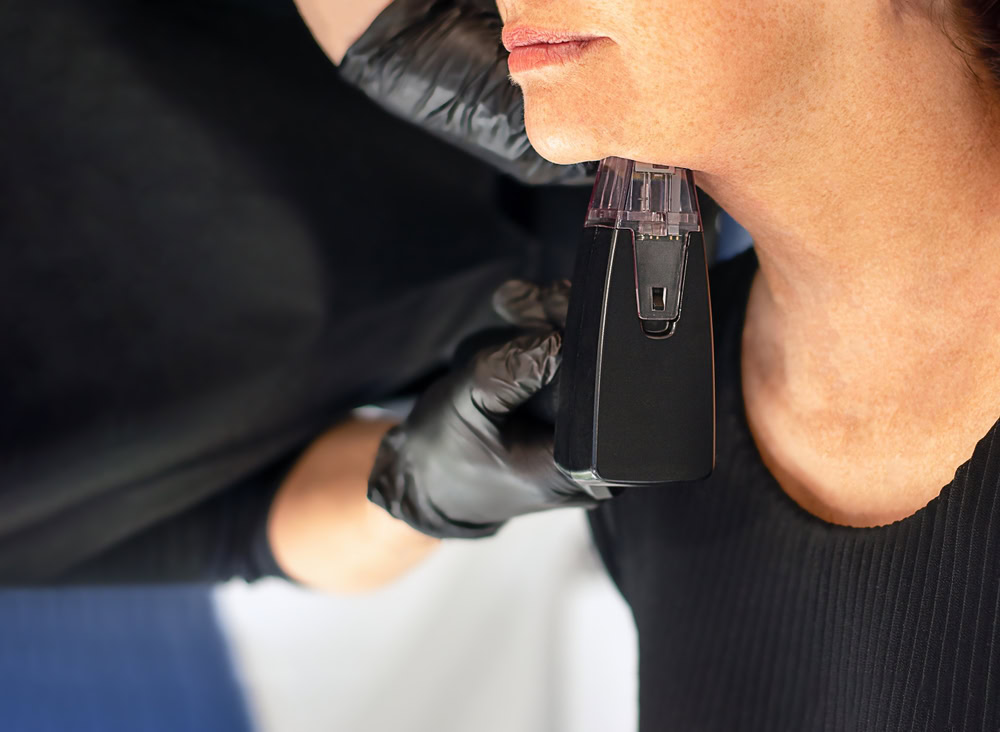
IPL stands for Intense Pulsed Light. During treatment, a handheld device delivers pulses of broad-spectrum light into the skin. That light is absorbed by melanin — the pigment responsible for dark spots — and converts to heat, which breaks the pigment apart. Over the following one to two weeks, those broken-up spots rise to the surface and flake away naturally. It’s a process that clients sometimes describe as their spots looking darker before they disappear, which is normal and actually a sign the treatment is working.
One of the things that makes IPL useful is its versatility. In a single session, we can address sun spots, redness, rosacea, and broken capillaries at the same time. We offer IPL for the face, neck, and chest — which matters, because sun damage doesn’t stop at the jawline. The décolletage is one of the most visibly damaged areas on the body, and treating it alongside the face produces results that look complete rather than patchy.
For most people, IPL works best on Fitzpatrick skin types I through III — fair to light-medium complexions. That’s not a hard rule, but it’s an important one. Darker skin tones absorb more light energy, which means the settings have to be carefully calibrated to avoid triggering more pigmentation rather than clearing it. This is where provider expertise genuinely matters. We’ve worked with clients across a wide range of skin tones, and our approach always starts with a thorough assessment before any device gets near your skin.
Most clients need between three and five sessions to see full results, spaced about a month apart. You can expect some redness and mild swelling immediately after, but most people are back to their normal routine the same day or the next morning.
What Can a Chemical Peel Do That IPL Can't?
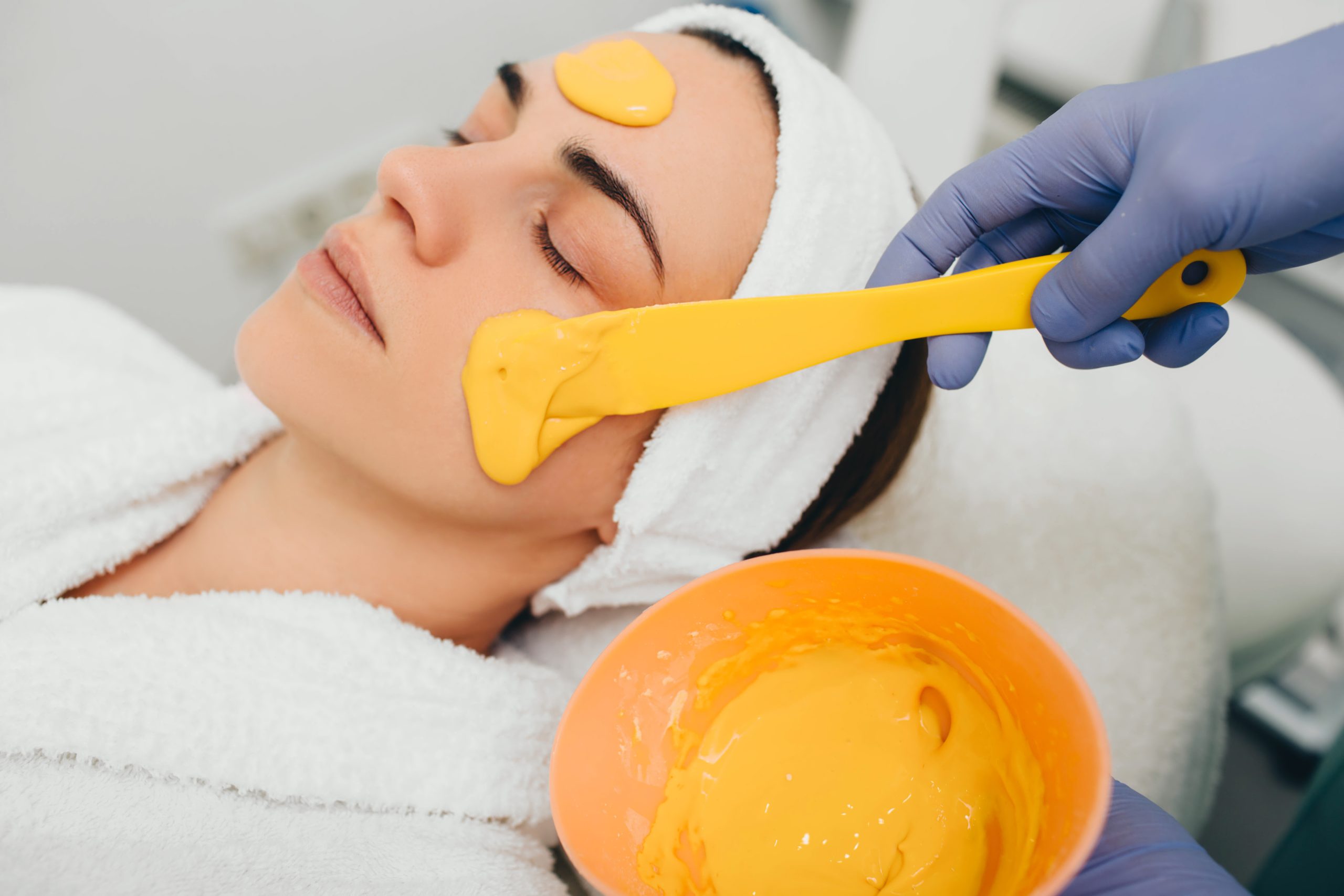
A chemical peel removes the outermost layers of skin by applying an acid solution — glycolic, salicylic, TCA, or a formulated blend like the VI Peel — that causes controlled exfoliation. As that damaged surface skin sheds, fresher, more evenly toned skin comes through underneath. The result is a cleaner, brighter complexion with less visible discoloration, smoother texture, and in many cases, a noticeable reduction in fine lines.
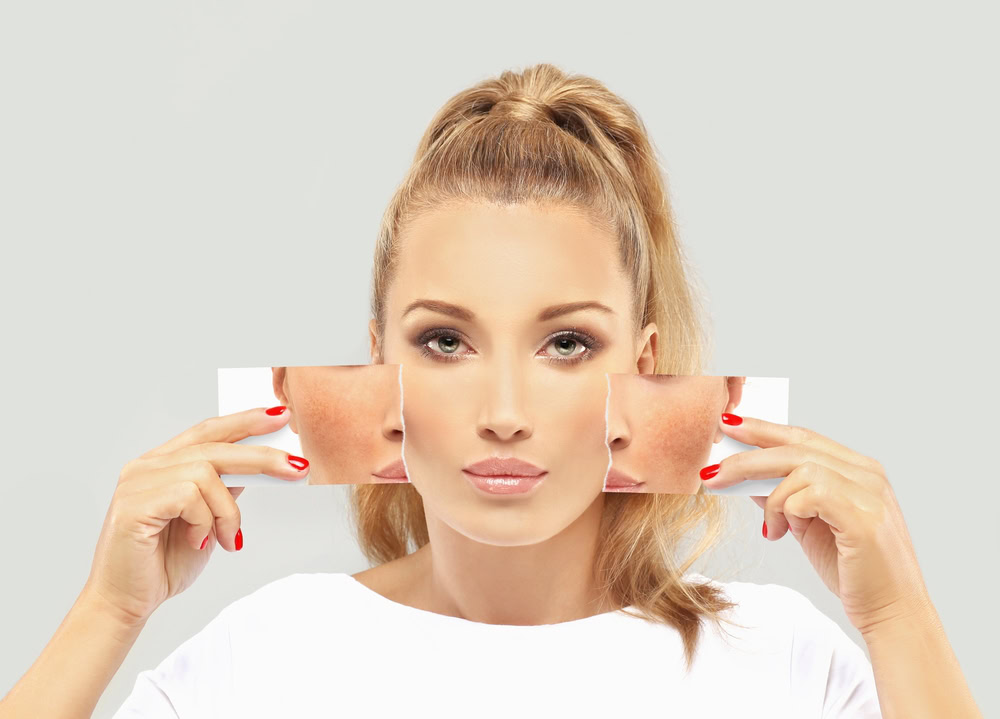
Where chemical peels have a real advantage is in treating diffuse pigmentation — the kind that doesn’t show up as isolated spots but rather as a general unevenness across the face. Post-inflammatory hyperpigmentation from acne is a good example. So is melasma, which tends to be more complex and often responds better to a layered approach that includes both a peel and a melanin-suppressing protocol.
Peels are also more customizable by depth. A superficial glycolic or salicylic peel has minimal downtime — some redness for a few hours, maybe a day — and works well for mild surface discoloration and maintenance. A medium-depth TCA peel or a VI Peel goes deeper, producing more significant results but also more visible peeling over three to seven days. The right choice depends on what your skin needs and what your schedule allows.
One thing worth knowing: the peeling you see in the days after treatment isn’t your skin being damaged — it’s your skin doing exactly what it’s supposed to do. The old, pigmented cells are shedding to make room for new ones. That said, the urge to pick or peel manually is real, and resisting it is one of the most important parts of aftercare.
We customize every peel we do based on the client’s skin type, concern, and tolerance. Nobody here is applying the same formula to every face that walks through the door.
IPL or Chemical Peel: How to Choose the Right Treatment for Your Skin
Wake County summers are long and the UV exposure is real. Whether you spend time at Falls Lake, Jordan Lake, or just commuting and running errands from April through October, your skin accumulates sun damage at a rate that most topical products can’t keep up with. By the time fall rolls around, a lot of people are looking at spots and uneven tone that weren’t there a few years ago — and wondering what it’s actually going to take to address them.
That’s the most common starting point we see. And the answer usually comes down to two questions: what kind of pigmentation is it, and what does your skin look like up close?
IPL vs Peel for Sun Spots: Results, Recovery, and What to Expect
If you’re dealing specifically with sun spots — discrete, flat, brown or tan marks that showed up after years of sun exposure — IPL is often the more direct route. The light energy targets those concentrated deposits of melanin precisely, and the results are visible within a couple of weeks. Most clients see significant clearing after two to three sessions, though the full series typically runs three to five treatments depending on how much accumulated damage is present.
The recovery from IPL is relatively straightforward. Immediately after treatment, the skin looks flushed and the spots may appear darker, which can be startling if you’re not expecting it. That darkening is the pigment rising to the surface before it flakes away — it’s the process working, not something going wrong. Most clients are comfortable going about their normal day within 24 hours, though we always recommend avoiding heat, heavy sweating, and direct sun exposure for at least a week post-treatment.
Chemical peels can also address sun spots effectively, especially when the damage is more widespread rather than isolated. A medium-depth peel will resurface a larger area of skin and can produce dramatic improvement in overall tone alongside the spot reduction. The tradeoff is visible peeling for several days — which some people are completely fine with, and others need to plan around.
Fall is genuinely the best time to pursue either treatment across Wake County. The UV intensity drops significantly after Labor Day, which reduces the risk of post-treatment sun exposure and gives your skin the recovery window it needs. If you’ve been putting this off through the summer, September through November is the window.
When Combining IPL and a Chemical Peel Produces Better Results Than Either Alone
For clients with more complex pigmentation — melasma, significant sun damage, or a mix of surface discoloration and deeper spots — a combination approach often produces the most meaningful results. IPL and chemical peels work on different layers of the skin and through different mechanisms, which means they can complement each other in ways that neither can achieve alone.
The way this typically works: IPL addresses the existing pigment deposits beneath the surface, breaking them up so the body can clear them. A chemical peel then accelerates cell turnover at the surface level, removing the discolored skin faster and suppressing melanin production in the process. Together, they cover more ground — and the results tend to come faster and last longer than either treatment on its own.
This is something we do regularly, and it’s part of why we think about treatment in terms of protocols rather than individual sessions. The goal isn’t to sell you a series of the same thing — it’s to build a plan that actually gets your skin where you want it to be.
It’s worth mentioning that combination treatment requires careful sequencing. You don’t do IPL and a peel on the same day without a clear clinical reason and the right setup. Spacing, skin preparation, and aftercare all matter. That’s exactly why a consultation before committing to anything is the right first step — it lets us look at what’s actually happening with your skin before recommending a path forward.
Jacqueline Grace, who founded Wake Skincare and leads every treatment here, has placed first and second in the Pigmentation Artist of the Year category at The Skin Games — an international aesthetics competition. That’s not a local recognition or a participation award. It’s a competitive result in the exact specialty this page is about. She’s also been named Best Esthetician in Wake County three years running by Wake Weekly’s Best of the Best. Those credentials exist because pigmentation is genuinely what we do, and we do it well.
Still Not Sure Which Pigmentation Treatment Is Right for Your Skin?
That’s a completely reasonable place to be. IPL and chemical peels are both effective — but the right choice depends on your skin type, the nature of your pigmentation, and what your life actually allows for in terms of downtime and follow-up. There’s no universal answer, and anyone who tells you otherwise isn’t giving your skin the attention it deserves.
What we can tell you is that the clearest path forward is a real conversation with someone who can look at your skin and give you an honest assessment. Not a quiz, not a generic recommendation — an actual evaluation.
We offer free consultations and free skin evaluations to every new client, with no pressure and no sales pitch. If you’re in Wake Forest, Raleigh, Cary, or anywhere across Wake County and you’re ready to stop guessing, reach out to Wake Skincare and let’s figure out what your skin actually needs.