Summary:
You’ve noticed it. The jawline isn’t quite as defined as it used to be. The skin along your neck feels softer. You’ve tried the serums, the creams, the “firming” moisturizers—and they’ve done exactly nothing, because they were never going to. Real skin tightening happens below the surface, and no jar gets there.
So now you’re looking at actual treatments—Morpheus8, RF microneedling, IPL, laser—and the options feel overwhelming. That’s what this page is for. We’ll break down how non-surgical skin tightening works, what to look for in a provider, and why the treatment you choose is only half the decision.
What Is Skin Tightening and How Does It Actually Work?
Skin loses firmness for one main reason: collagen and elastin production slows down as we age. After 30, the body loses roughly 1% of its collagen per year. That’s not dramatic on its own, but over a decade or two, the cumulative effect shows up in the mirror—looser skin along the jawline, crepey texture on the neck, less definition overall.
Non-surgical skin tightening treatments work by delivering controlled energy—radiofrequency, ultrasound, or laser—into the deeper layers of the skin. That energy creates a controlled thermal response, which signals the body to produce new collagen and remodel existing tissue. The surface stays intact. The work happens underneath.
Results aren’t overnight. Collagen rebuilds gradually, which means most people see the full effect of a treatment over two to six months. Understanding this timeline before you start matters, because real providers will tell you this upfront rather than promise dramatic instant results.
Non-Invasive Skin Tightening: What's the Difference Between RF, Ultrasound, and Laser?
The three main energy types used in non-invasive skin tightening are radiofrequency (RF), focused ultrasound, and laser. They’re not interchangeable—each penetrates to a different depth, works through a different mechanism, and suits different skin concerns and laxity levels.
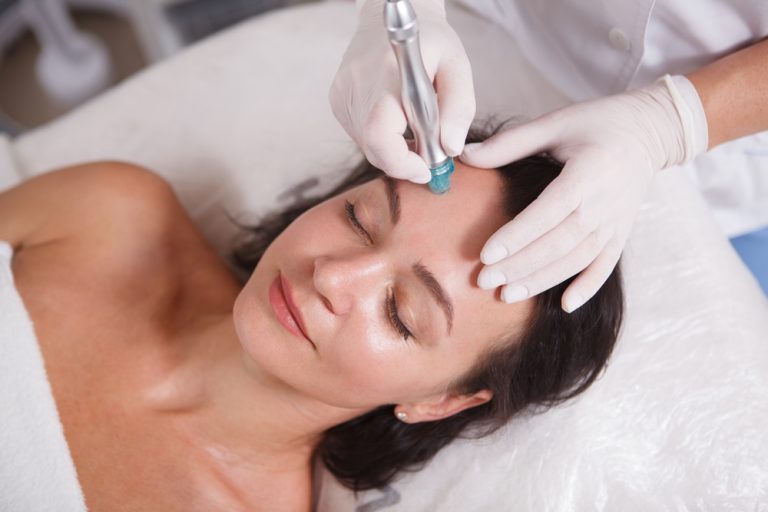
Radiofrequency is the most widely used. It heats the dermis and stimulates collagen production without disrupting the skin’s surface. RF microneedling—like Morpheus8, which we offer at Wake Skincare—takes this further by combining fine needles with RF energy, delivering heat directly into the dermis and subdermal layers. The mechanical stimulation from the needles adds a second layer of collagen response on top of the thermal one. That’s why RF microneedling consistently outperforms surface-only RF for moderate skin laxity.
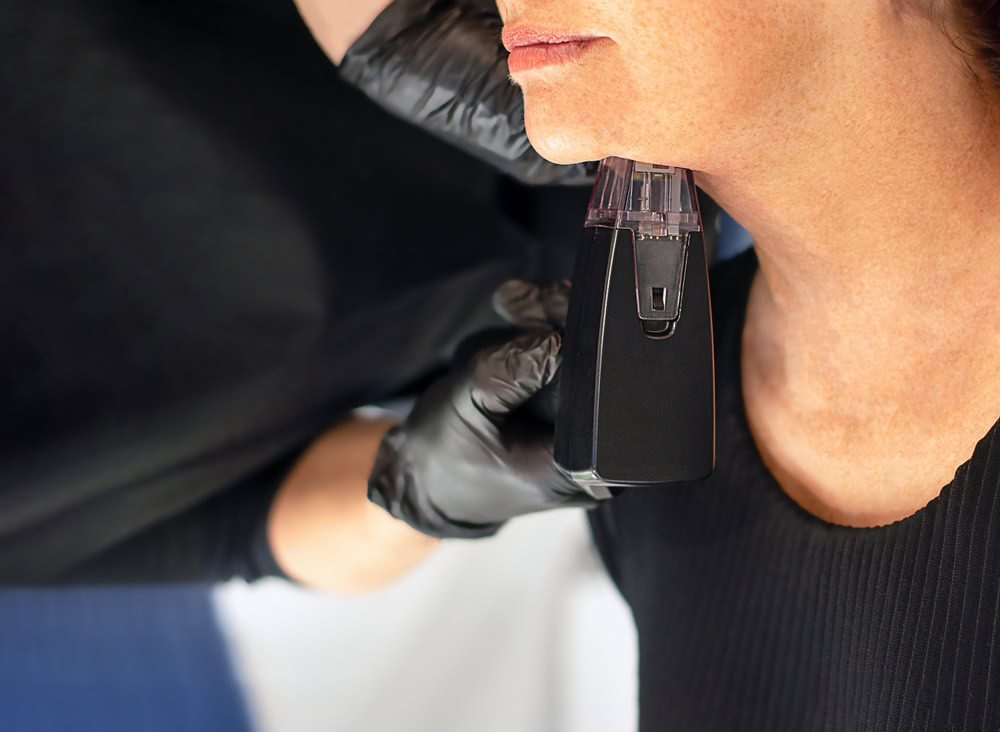
Focused ultrasound, often associated with brand names like Ultherapy, targets even deeper tissue—including the SMAS layer, which is the same layer addressed in surgical facelifts. It’s a strong option for lifting the brow, jawline, and neck, and it’s FDA-cleared for those specific indications. The tradeoff is that it can be uncomfortable during treatment and results vary more widely depending on your starting point.
Laser-based skin tightening, including treatments like Clear & Brilliant and Lumecca IPL, works differently again. IPL isn’t strictly a tightening treatment—it’s primarily a photofacial that targets pigmentation and redness—but the collagen stimulation it triggers does contribute to improved skin texture and tone over time. For patients dealing with both laxity and sun damage, combining IPL with RF microneedling often delivers better results than either treatment alone.
The best outcome for your skin probably isn’t one treatment. It’s a protocol—a sequence of treatments chosen based on what your skin actually needs, not what happens to be on the menu. That requires a provider who can assess your skin and prescribe accordingly, not just operate a device.
Skin Tightening Procedures for Darker Skin Tones: What Most Providers Don't Tell You
Here’s something most skin tightening content glosses over: energy-based treatments are not one-size-fits-all when it comes to skin tone. For patients with melanin-rich skin, the stakes are higher. RF microneedling and IPL settings that work well for lighter skin can trigger post-inflammatory hyperpigmentation in darker skin tones—meaning the treatment meant to improve your skin can actually worsen the very condition you came in to address.
This isn’t a reason to avoid these treatments. It’s a reason to be selective about who performs them.
Properly calibrated settings, appropriate device selection, and genuine clinical experience with skin of color are non-negotiable. The problem is that most providers don’t advertise whether they actually have that experience—they just advertise the device. “We have Morpheus8” tells you nothing about whether the person operating it understands how to adjust energy levels, pulse duration, and tip selection for your specific skin type.
At Wake Skincare, we treat skin of color with the same precision and expertise we bring to every patient. Jacqueline Grace placed first and second in Pigmentation Artist of the Year at The Skin Games—an international aesthetics competition where results are judged independently. That’s not a marketing claim. It’s a documented, judged outcome in one of the most technically demanding categories in the industry. For Wake County residents with darker skin tones who’ve been hesitant about energy-based treatments, that track record is worth knowing about.
Wake County’s population is genuinely diverse, and a significant portion of residents seeking skin tightening treatments have skin of color. The fact that so few local providers explicitly address this—or demonstrate verifiable expertise in it—is a real gap. We take that seriously.
How to Find the Best Skin Tightening Treatment for Your Skin
Most people approach this question backwards. They research treatments first—Morpheus8 vs. Ultherapy, RF vs. laser—and then look for a provider who offers whatever they’ve already decided on. That process makes sense on paper, but it skips the most important variable: your skin.
The right treatment depends on your skin type, your degree of laxity, your history with sun exposure, whether you have active hyperpigmentation, and what your goals actually are. No comparison chart can answer that for you. A qualified provider can.
That’s why the first step isn’t choosing a treatment. It’s finding someone who can honestly assess your skin and tell you what it needs—including the option that your skin might not be a good candidate for a particular treatment right now.
What to Look for in a Non-Surgical Skin Tightening Provider
Credentials matter in this space, and “licensed” is a floor, not a ceiling. The question isn’t whether a provider is licensed—it’s whether they have device-specific training, clinical experience with your skin type, and the oversight structure to handle advanced energy-based treatments safely.
For non-invasive skin tightening, a licensed aesthetician with proper training can perform most treatments. For treatments that go deeper—RF microneedling that penetrates subdermal layers, for example—physician oversight becomes a meaningful safety layer. At Wake Skincare, our treatments are backed by one of the most esteemed medical directors in the Triangle. That structure matters, particularly for patients with complex skin concerns or those seeking more advanced protocols.
Beyond licensing, look for credentials that are specific and verifiable. Jacqueline Grace holds a HydraFacial Master Certification—a designation earned by fewer than 1% of providers worldwide, and one she achieved among the first 100 practitioners globally to reach that level. She’s also been named Best Esthetician in Wake County three consecutive years running. Three consecutive years isn’t a lucky vote. It reflects consistent, documented results over time.
Ask about the provider’s experience with your specific skin concern. Ask which device they use and why—not just what it’s called. Ask whether they’ve treated patients with your skin tone before, and what adjustments they make. A provider who can answer those questions specifically and confidently is a provider worth trusting. One who deflects or responds with vague reassurances probably isn’t.
The aesthetics market in the Raleigh metro has grown fast alongside Wake County’s population boom. That growth has brought excellent providers—and it’s also brought a lot of medspas that invested more in equipment than in training. Knowing how to tell the difference is worth your time before you let anyone point a device at your face.
When Is the Right Time to Start Skin Tightening Treatments in Wake County, NC?
Timing matters more than most people realize, and in North Carolina specifically, the calendar is part of the conversation.
Wake County sits in a humid subtropical climate with a high UV index from roughly April through October. That extended sun exposure season accelerates the photoaging that skin tightening treatments are designed to address—fine lines, loss of elasticity, hyperpigmentation from cumulative sun damage. It also affects when certain treatments are best performed.
IPL and some laser treatments increase photosensitivity during the healing window. Scheduling these in fall or winter—when UV exposure is lower and easier to manage—reduces the risk of complications and allows results to develop over the two-to-six-month collagen-building timeline. That means fall treatments often produce their best visible results right around spring, which is exactly when most people want their skin looking its best heading into warmer months.
RF microneedling is generally more seasonally flexible, though sun protection is always part of the post-treatment protocol. If you’re spending weekends at Falls Lake or Jordan Lake—or just commuting through a North Carolina summer—your provider should factor that into your treatment plan.
The other timing question is age. A common assumption is that skin tightening is for people in their 50s and 60s. That’s not accurate anymore. Millennials are increasingly using these treatments preventatively—stimulating collagen before significant laxity develops rather than trying to reverse it after the fact. Prevention is genuinely easier than correction, and starting earlier means maintaining results with less intensive treatment over time.
Whether you’re in your 30s noticing early changes or in your 50s looking for meaningful improvement, a consultation will give you a clearer picture of where your skin is and what it actually needs. That’s always the right starting point.
Ready to Find the Right Skin Tightening Option for Your Skin?
Non-surgical skin tightening works. The technology is real, the clinical evidence is solid, and the results—when the right treatment is matched to the right skin—are genuinely meaningful. But the treatment is only part of the equation. The provider, their credentials, their experience with your skin type, and their ability to build a protocol around your actual goals are what determine whether you get a real outcome or a disappointing one.
If you’re in Wake County and you’re ready to stop guessing, start with a conversation. We offer free skin evaluations and consultations for new clients—not a sales pitch, but an honest assessment of your skin and what it needs. Come in, ask your questions, and find out what a personalized treatment plan actually looks like for you.