Summary:
You cleared the breakout. You did everything right. And yet the dark spot is still there — sometimes weeks later, sometimes months. That’s post-inflammatory hyperpigmentation, and it’s one of the most common skin concerns we see at Wake Skincare.
It’s also one of the most misunderstood, especially when it comes to what’s actually slowing down your progress. If you live in Wake County, NC, part of the answer might be right outside your window. The heat, the humidity, and the UV levels here create conditions that can quietly work against even the most consistent skincare routine — and most people have no idea.
What Is Post-Inflammatory Hyperpigmentation and Why Does It Happen?
PIH shows up after your skin experiences some kind of inflammation — a pimple, a rash, a bug bite, even an aggressive facial treatment. As the skin heals, it sometimes overproduces melanin in that area, leaving behind a flat, discolored mark that can range from light tan to deep brown or even blue-grey, depending on your skin tone and how deep the pigment sits.
It’s not a scar. There’s no texture change, no permanent damage. But without the right approach, it can take anywhere from a few months to two years or more to fade on its own. That timeline is what pushes most people toward professional treatment — and rightfully so.
Post-Inflammatory Erythema Treatment: Why Red Marks Are a Different Problem
Before diving into treatment options, it’s worth pausing on something that trips a lot of people up: not all marks left behind by breakouts are the same. Post-inflammatory hyperpigmentation — the flat brown or dark spots — is caused by excess melanin. But post-inflammatory erythema, or PIE, is something different entirely.
PIE shows up as pink or red marks and is caused by dilated blood vessels near the surface of the skin. It’s more common in lighter skin tones, and it requires a completely different treatment approach. Treating PIE like PIH — or vice versa — wastes time and money. If you’ve been layering brightening serums onto marks that are actually red and vascular, you’re not going to see the results you’re hoping for.
The ingredients and modalities that address excess melanin don’t do much for blood vessel dilation, and the reverse is equally true. This is one of the first things we assess during a consultation. Before recommending any treatment, we want to know exactly what we’re dealing with — the color, the depth, the skin tone, the history.
A thorough skin evaluation isn’t just a nice touch; it’s what separates a treatment plan that works from one that doesn’t. If you’ve been frustrated by slow progress, there’s a real chance the issue isn’t patience — it’s that the approach wasn’t matched to your actual condition. Getting this distinction right early changes everything.
Does PIH Get Worse in Summer? What Wake County's UV Levels Are Actually Doing to Your Skin
Wake County sits in a humid subtropical climate zone. From roughly April through October — that’s a seven-month stretch — UV levels regularly climb into the “very high” to “extreme” range. UV radiation is the single biggest environmental factor that worsens existing hyperpigmentation.
Every time unprotected skin is exposed to the sun, the body produces more melanin as a defense mechanism. If you already have a dark spot from a previous breakout, UV exposure doesn’t just slow the fade — it actively darkens the mark and resets the clock. The humidity in Wake County adds another layer. It’s not just uncomfortable; it creates conditions where sweat breaks down sunscreen more quickly, which means the protection you think you have may not be as effective as you’d expect.
For residents who spend time outdoors — on Wake County’s greenways, at Falls Lake, at Umstead State Park — that cumulative UV exposure adds up fast. There’s also the pollen factor, which doesn’t get discussed nearly enough. The Triangle region is well-known for its heavy pollen seasons in spring and fall.
For people prone to contact dermatitis or allergic reactions, those seasons can trigger the very inflammation that causes PIH in the first place. So the cycle keeps going: inflammation leads to dark spots, UV exposure darkens them, and the next pollen season starts it over again. This is why managing PIH in Wake County isn’t just about what products you use — it’s about understanding the environment your skin is living in every single day.
SPF is non-negotiable here, but it’s also not enough on its own. The climate makes a compelling case for professional treatment that works faster and deeper than anything available over the counter.
Skin Treatment for Dark Spots: What Professional Options Actually Look Like
When someone comes to us frustrated with dark spots that won’t budge, the first thing we do is look at the full picture — skin tone, pigment depth, history of treatments, and what’s been tried before. From there, we build a protocol that makes sense for that specific person, not a generic plan pulled off a shelf.
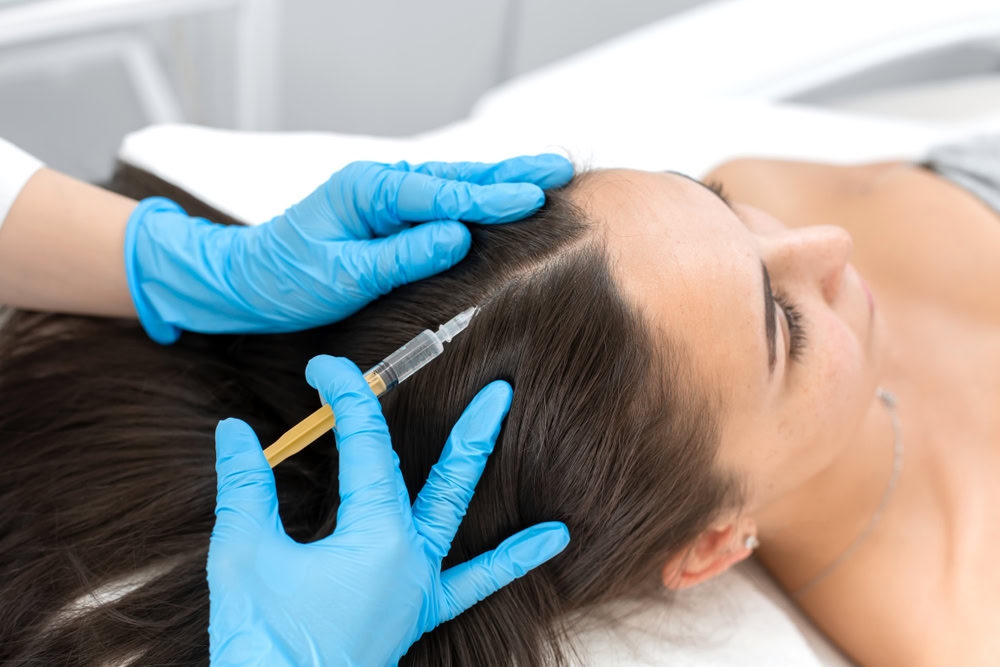
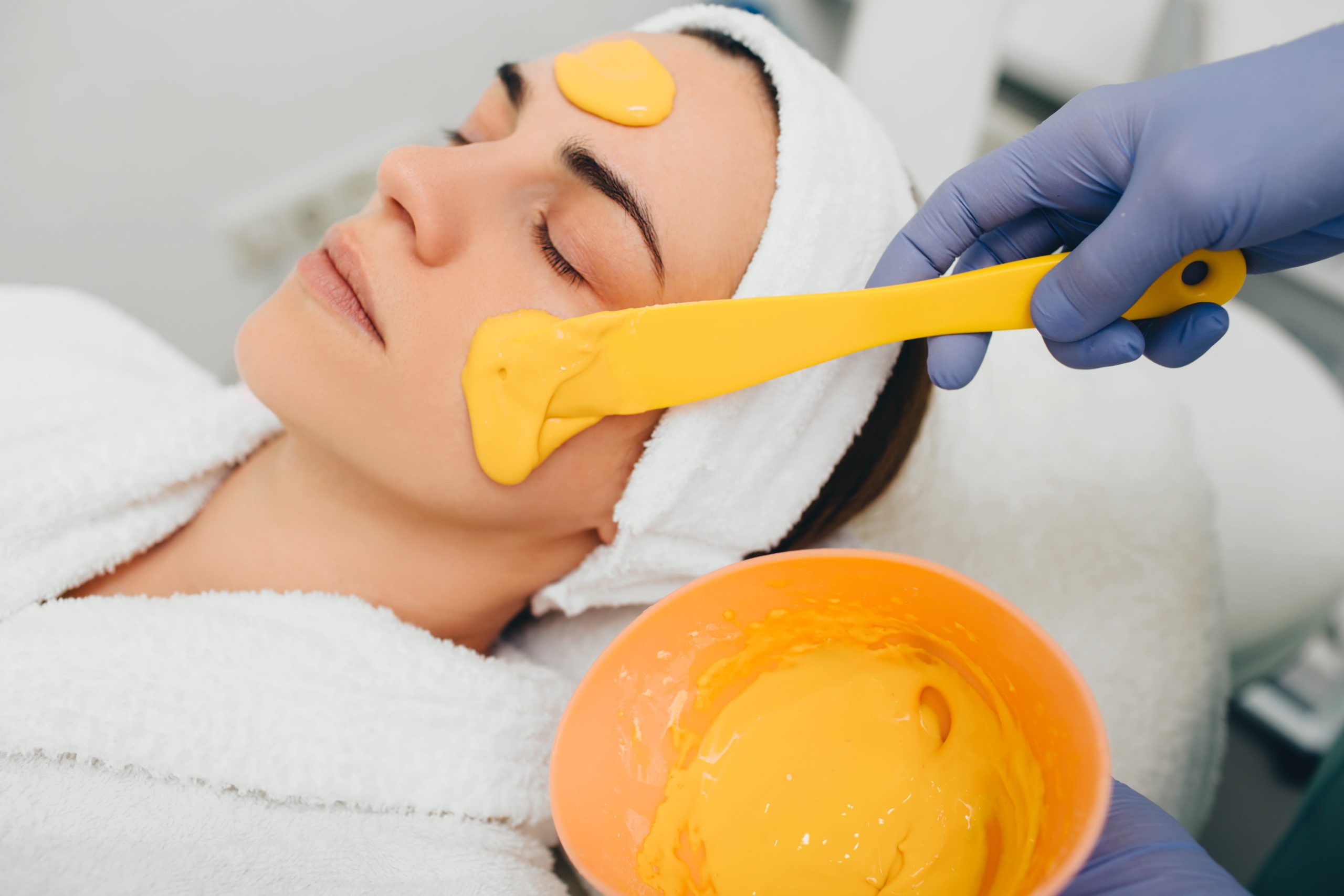
The treatments we use for facial hyperpigmentation include SkinPen microneedling, IPL (Intense Pulsed Light) therapy, chemical peels, and Morpheus8 RF microneedling — sometimes individually, sometimes in combination. The right choice depends on factors like your Fitzpatrick skin type, how deep the pigment sits, and what your skin can tolerate.
Is Microneedling or Laser Better for Dark Spots on Darker Skin Tones?
This is one of the most important questions in the PIH space, and it doesn’t get a straight answer often enough. For clients with deeper skin tones, microneedling is frequently the safer and more effective starting point — and here’s why that matters.
Laser treatments work by generating heat in the skin to break down pigment. That heat-based mechanism is what makes certain lasers and IPL treatments so effective on lighter skin tones. But in melanin-rich skin — Fitzpatrick types IV through VI — that same heat can trigger the skin’s melanin-producing cells to go into overdrive, potentially creating new hyperpigmentation on top of what you were trying to treat.
Microneedling with SkinPen works differently. It creates controlled micro-channels in the skin through a purely mechanical process — no heat, no thermal energy. The skin responds by ramping up collagen production and accelerating cell turnover, which gradually fades dark spots and evens out skin tone without the risk of triggering additional pigmentation.
For clients with skin of color who’ve been told “laser isn’t for you” without much further explanation, microneedling is often the answer they’ve been looking for. That said, this isn’t a blanket rule. Some clients with deeper skin tones are excellent candidates for IPL when it’s approached carefully, with the right settings and a practitioner who genuinely understands how melanin-rich skin responds.
The key word there is “genuinely.” This is an area where practitioner experience isn’t just a nice-to-have — it’s the variable that determines whether you walk out with better skin or a new problem to solve. Jacqueline Grace, who founded Wake Skincare, earned first place in the Pigmentation Artist of the Year category at The Skin Games — an international aesthetics competition where results are judged by peers in the industry. That credential exists specifically because pigmentation treatment, done well, is a skill that has to be developed and demonstrated.
How Long Does Post-Inflammatory Hyperpigmentation Treatment Actually Take?
Without professional treatment, PIH can take anywhere from three months to two years or more to fade, depending on the depth of the pigment and your skin tone. Deeper pigment in higher Fitzpatrick skin types tends to be the most stubborn. That’s a wide range, and for most people, the longer end of it is genuinely discouraging.
With a properly designed professional treatment protocol, the timeline compresses significantly. For mild PIH in lighter skin tones, meaningful improvement can show up in as little as eight to twelve weeks. For more pronounced pigmentation or medium-to-deeper skin tones, visible progress typically begins within four to eight weeks of starting treatment, with full resolution often achievable in three to six months.
IPL, when it’s appropriate, typically involves a series of three to six sessions spaced about a month apart. Microneedling protocols are similar in structure — a series of treatments spaced to allow the skin to heal and respond between sessions. What makes the difference isn’t just the modality — it’s the combination. Treating hyperpigmentation at multiple depths simultaneously, pairing a chemical peel for surface-level pigment with a deeper modality for what’s sitting further down, is how you get results that single-treatment approaches can’t match.
We also want to be honest about the home care piece. No in-office treatment works in isolation. What you’re doing between sessions — your SPF, your actives, how you’re managing any ongoing breakouts — plays a real role in the outcome. We build that guidance into every treatment plan, because a great in-office session can be undermined by a skincare routine that’s working against it. In Wake County’s climate especially, consistent SPF application isn’t optional — it’s the foundation everything else sits on.
Ready to Actually Clear Your Dark Spots? Here's Where to Start
PIH is treatable. The spots that have been sitting on your skin through multiple seasons, through rounds of products that didn’t quite work, through Wake County summers that made them darker — those can be addressed with the right approach, matched to your skin type and your environment.
If you’re in Wake County, NC, you’re dealing with a climate that makes this harder than it needs to be. That’s not a reason to give up — it’s a reason to work with someone who understands what your skin is up against and knows how to build a plan around it.
We offer free skin evaluations and consultations, which is the right place to start if you’re not sure what you’re dealing with or what treatment makes sense for your skin. No commitment, no pressure — just a real conversation about what’s going on and what your options are.