Summary:
If you’ve been searching “radiofrequency microneedling results” and landing on pages full of glowing before-and-afters with no real explanation, you’re not alone. The marketing around this treatment has gotten loud — and a lot of it leaves out the part you actually need to know: what’s happening in your skin, when it happens, and what a realistic outcome looks like for someone with your specific concerns.
This page is the honest version of that conversation. We’ll walk you through the science in plain language, the session-by-session timeline, and the questions we hear most often from people across Wake County who are seriously considering this treatment.
RF Microneedling Benefits: What This Treatment Actually Does
Standard microneedling creates controlled micro-injuries in the skin to trigger a healing response. RF microneedling does that too — but it also delivers radiofrequency energy through the needles at the same time, sending heat directly into the deeper layers of the dermis. That combination triggers a significantly more powerful collagen and elastin response than surface-level treatments can achieve.
The result isn’t just smoother skin. It’s structurally improved skin. Collagen fibers tighten. Elastin increases. Pore size reduces. Acne scars fill in gradually as the tissue remodels from the inside out. The improvements aren’t cosmetic in the surface sense — they’re biological, and that’s what makes them durable.
Benefits of RF Microneedling: What Changes and Why It Takes Time
Here’s the part most providers gloss over: the results don’t show up the week after your appointment. That’s not a flaw in the treatment — it’s how collagen biology works.
After an RF microneedling session, your skin enters a remodeling phase. Fibroblasts — the cells responsible for producing collagen and elastin — become more active. New collagen starts forming. Old, underperforming cells get cleared out and replaced with younger, more productive ones. This process doesn’t complete overnight.
Most people notice visible improvements within four to eight weeks. The more significant changes — tighter skin, reduced scarring, improved texture — typically appear three to six months after finishing a full treatment series. Peak results often come six to twelve months after the last session, as collagen continues building.
That timeline matters when you’re planning. If you’re in Wake County and thinking about a spring event, a fall treatment series makes a lot of sense. NC summers bring high UV exposure, which means fall and winter are actually the preferred treatment season — both for the sun-sensitivity protocols that follow treatment and for giving your skin the full remodeling window before warmer months arrive.
The clinical evidence behind this isn’t thin. A trial involving eighty patients found statistically significant improvement in acne lesion count, facial pores, sebum levels, scar appearance, skin tone, and texture after a series of RF microneedling sessions. For acne scarring specifically, research shows a 25% to 75% improvement after three to four sessions. These aren’t cherry-picked numbers — they come from peer-reviewed work with real patients across a range of skin types.
One more thing worth understanding: RF microneedling doesn’t just stimulate collagen production. It also helps clear out senescent fibroblasts — the aged, inactive cells that accumulate over time and slow your skin’s natural repair process. That’s a meaningfully different outcome than what you get from a topical product or even a standard microneedling session. It’s not an add-on. It’s a fundamentally different biological event.
Is RF Microneedling Safe for Darker Skin Tones?
This is one of the most important questions we hear, and it deserves a direct answer: yes — and RF microneedling is actually one of the safer non-surgical options for people with darker skin tones, specifically because of how the energy works.
Lasers and many light-based treatments target melanin. That’s the mechanism that makes them effective for certain concerns — but it’s also what creates risk for people with Fitzpatrick skin types III through VI, where excess melanin in the epidermis can absorb light energy and trigger post-inflammatory hyperpigmentation. RF energy works differently. It targets tissue based on electrical resistance, not melanin content. The heat goes into the dermis, not the surface layer where melanin lives. That distinction matters enormously for anyone who has been told that certain treatments “aren’t for their skin type.”
The clinical data backs this up. A 2024 trial specifically enrolled patients with Fitzpatrick skin types III and IV and found statistically significant improvement across multiple markers — pores, texture, tone, scarring — with no reported hyperpigmentation events in the RF-treated group.
Wake County is one of the most diverse counties in North Carolina, and a meaningful portion of the people who come to us are dealing with concerns — hyperpigmentation, acne scarring, uneven tone — that have been undertreated or mishandled elsewhere. Jacqueline Grace has placed first internationally in the Pigmentation Artist of the Year category at The Skin Games, which is not a self-reported credential. It’s a competitive, third-party result. That level of specialization in pigmentation and skin of color isn’t incidental to what we do — it’s central to it.
If you’ve had a bad experience with a treatment that affected your skin tone, or if you’ve simply been cautious about trying anything new, that caution is reasonable. It’s also something we take seriously from the first conversation.
RF Facial Benefits: What Morpheus8 Delivers That Other Platforms Don't
Not all RF microneedling devices work the same way. The platform matters — both for the depth of treatment and for the quality of the outcome. We use Morpheus8, which is FDA-cleared and one of the most clinically studied RF microneedling devices available.
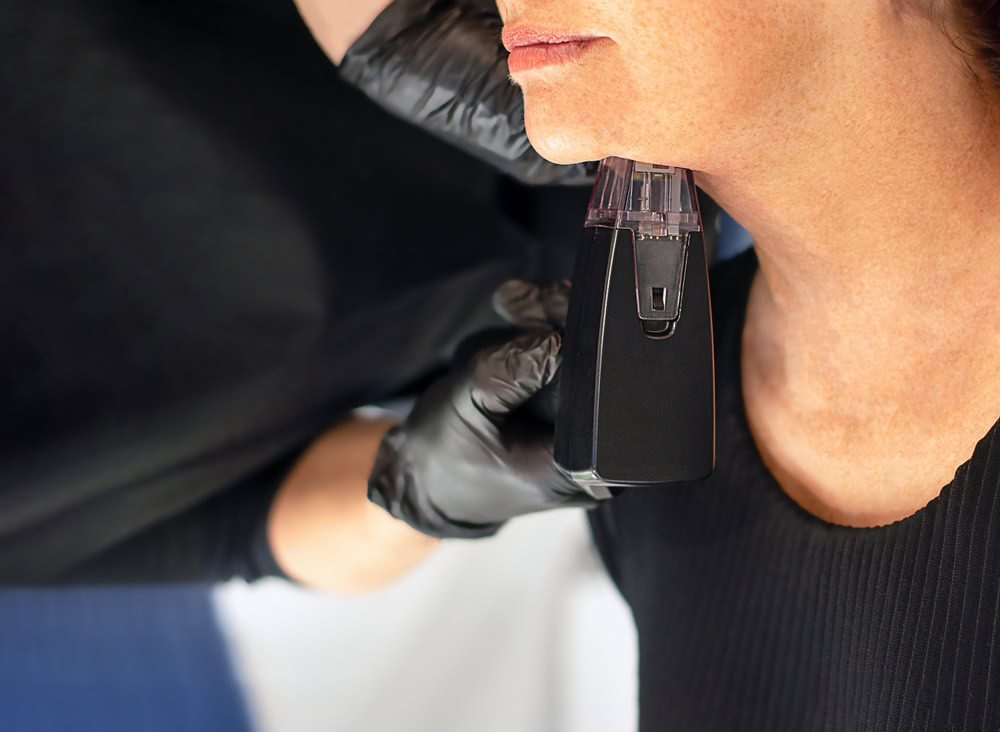
What sets Morpheus8 apart is depth. Standard microneedling devices penetrate roughly 0.25mm. Morpheus8 needles can be adjusted from 0.5mm to 3.5mm, and the RF energy it delivers reaches into the subdermal fat layer — a depth that enables tissue remodeling and contouring that surface treatments simply cannot replicate. For concerns like skin laxity along the jawline, neck, or under-eye area, that depth is the difference between a modest improvement and a genuinely visible one.
How Many RF Microneedling Sessions Do You Actually Need?
The honest answer is: it depends on what you’re treating, how your skin responds, and where you’re starting from. That said, the clinical standard for most concerns is three to four sessions, spaced four to six weeks apart. That spacing gives each session time to initiate the collagen response before the next one builds on it.
After one session, most people notice that their skin feels tighter and looks brighter within a few weeks. Pores often appear smaller. Texture starts to soften. These early improvements are real, but they’re not the full picture — they’re the beginning of a process that continues long after you leave the treatment room.
After two to three sessions, the cumulative effect becomes more apparent. Acne scars start filling in. Fine lines reduce. Skin that felt loose or crepey begins to firm up. By the time the full remodeling cycle completes — typically six months to a year after the last session — the results are meaningfully different from what a single treatment could achieve.
We don’t recommend a one-size number because your skin isn’t a one-size situation. Before any treatment at Wake Skincare, every new client starts with a free skin evaluation that uses AI-powered analysis alongside a hands-on assessment. That evaluation shapes the protocol — the number of sessions, the depth settings, the combination of treatments — around your specific concerns, skin type, and timeline.
One thing we’ll always tell you clearly: one session starts the process. It doesn’t finish it. Anyone who tells you otherwise is setting you up for disappointment.
Radio Frequency Facial Benefits: Why Provider Qualifications Matter
The FDA has issued a safety communication specifically about RF microneedling, flagging potential complications — including burns, scarring, fat loss, and nerve damage — and explicitly recommending that patients seek licensed, trained providers. That’s not a reason to avoid the treatment. It’s a reason to be thoughtful about who performs it.
The complications the FDA documented are real, and they’re almost always associated with undertrained providers or devices used outside their intended parameters. When RF energy is delivered at the wrong depth, the wrong intensity, or without proper skin assessment beforehand, the margin for error narrows quickly. The treatment isn’t dangerous in skilled hands — but it requires skilled hands.
Jacqueline Grace has been named Best Esthetician in Wake County for three consecutive years. She holds a Master Certification in HydraFacial — among the first 100 practitioners in the world to achieve that level — and has placed first and second in international competition at The Skin Games. Wake Skincare is also backed by one of the most esteemed medical directors in the Triangle, which provides the clinical oversight that medical-grade treatments require.
For people in Wake County weighing their options, that matters. There are providers across the Raleigh metro area offering RF microneedling at various price points and experience levels. The question isn’t just which device they use — it’s who’s behind it, what they’ve demonstrated, and whether they’re going to assess your skin before they treat it or hand you a consent form and get started. We do the former. Every time.
If you have concerns about safety, about your specific skin type, or about what a realistic outcome looks like for you — those are conversations worth having before you book anything. That’s what the free consultation is for.
What to Do Next If You're Considering RF Microneedling in Wake County
RF microneedling delivers real, clinically supported results — but they build over time, they depend on the right protocol for your skin, and they require a provider who knows what they’re doing. The technology is only part of the equation.
If you’re in Wake County and you’re serious about this treatment, the most useful next step isn’t more research. It’s a real conversation about your skin — what’s going on, what’s realistic, and what a treatment plan would actually look like for you.
Wake Skincare offers a free skin evaluation to every new client, using AI-powered analysis alongside a hands-on assessment. No pressure, no generic recommendations. Just an honest look at your skin and a clear answer on whether this is the right path forward. Reach out to us directly to get started.