Summary:
If you’ve been noticing changes in your skin — a little more looseness along the jaw, some crepiness on the neck, texture that just won’t smooth out no matter what you use — you’re not imagining it. And you’re probably not looking for a miracle cream. You’re looking for something that actually works.
RF microneedling keeps coming up in that search, and there’s a reason for it. This guide breaks down how it works, what real results look like, and what separates a provider worth trusting from one you should think twice about — especially here in Wake County, where your options are growing fast.
How RF Microneedling Works: What's Actually Happening Beneath the Surface
RF microneedling is not a fancy facial. It’s a clinical treatment that works in two distinct ways at once — and that combination is what makes it different from anything you’d find at a standard day spa.
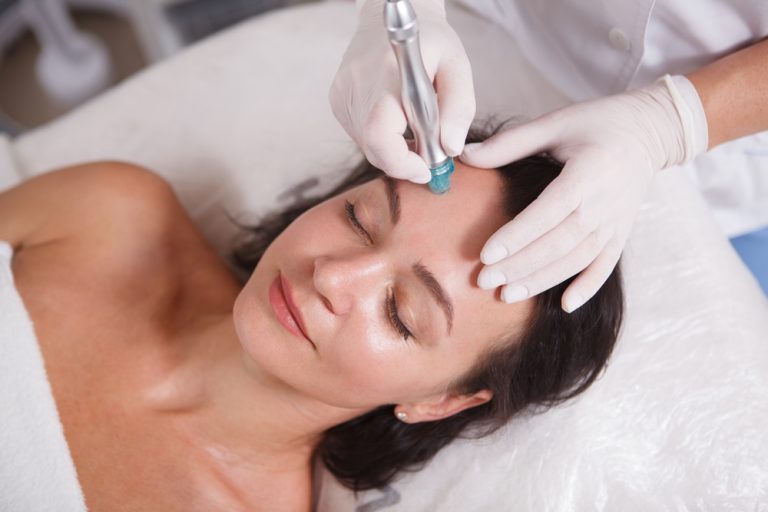
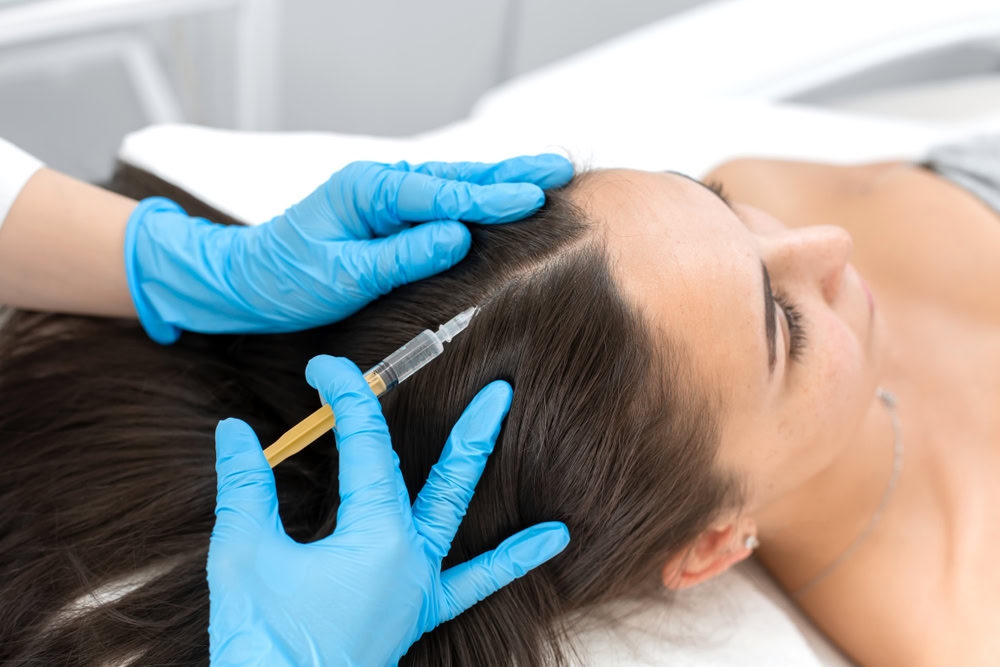
The “microneedling” part creates controlled micro-injuries in the skin using ultra-fine needles. Your body responds to those injuries the way it always does: by sending collagen and elastin to repair the area. The “RF” part — radiofrequency energy — is delivered through those same needles into the deeper layers of the dermis, generating precise thermal heat.
That heat causes existing collagen fibers to contract immediately while simultaneously triggering fibroblasts to produce new collagen over the weeks and months that follow. You get two responses in one treatment: an immediate tightening effect and a longer-term remodeling process that continues building for up to four to six months.
Microneedling for Collagen Production: Why Depth Changes Everything
One of the most common questions we hear is some version of: “What’s the difference between this and regular microneedling?” It’s a fair question, and the answer matters.
Standard microneedling works at the surface level of the dermis. It’s effective for texture, fine lines, and mild scarring — and the SkinPen, which is the only FDA-cleared microneedling device in its class, does that work exceptionally well. But when the concern is skin laxity, jowling, or deeper tissue remodeling, surface-level treatment has real limits. You need to reach the tissue where structural collagen loss is actually occurring.
That’s where RF microneedling — and specifically Morpheus8 — changes the conversation. Morpheus8 penetrates up to 8mm deep, which is 7mm of direct treatment plus 1mm of thermal profile. That’s the deepest fractional treatment currently available, and it reaches the subdermal layer where the scaffolding of your skin actually lives. When that layer is stimulated, the results are structural — not cosmetic.
For Wake County clients dealing with significant skin laxity, loss of facial contour, or crepey neck and jawline skin, this depth is the difference between a treatment that improves your skin and one that actually changes it. We use Morpheus8’s dual handpiece system, which includes both the standard Morpheus8 for precise facial work and the Morpheus8 Body handpiece for larger treatment areas — giving us the flexibility to match the tool to the concern, not the other way around.
The collagen your body builds in response to this treatment is your own. It’s not filler, it’s not a temporary fix. It’s a genuine biological response — and that’s why results continue improving long after the treatment itself is done.
RF Microneedling Benefits for Skin of Color: What the Research Actually Shows
This is one of the most underreported facts in the aesthetics world, and it directly affects a significant portion of Wake County’s population: RF microneedling is clinically documented as carrying a lower risk of postprocedural dyspigmentation for darker skin tones — specifically Fitzpatrick Types III through VI — compared to many laser-based alternatives.
A 2023 peer-reviewed review published in *Dermatologic Surgery* confirmed this directly. The reason is straightforward: RF microneedling delivers its energy thermally through the needles, deep in the dermis, rather than targeting surface pigment the way lasers do. That means the melanin in the epidermis — the layer most vulnerable to heat-related pigmentation changes — is largely bypassed.
For people with medium to deep skin tones who have been told they’re “not a good candidate” for skin tightening treatments, this is a meaningful distinction. We specialize in skin of color at Wake Skincare. Our founder, Jacqueline Grace, has earned first and second place in the Pigmentation Artist of the Year category at The Skin Games — an international aesthetics competition — and that expertise isn’t incidental to what we do with RF microneedling. It’s central to it.
Understanding how different skin types respond to heat, depth, and recovery is exactly the kind of knowledge that separates a safe, effective treatment from one that causes more problems than it solves. If you have a darker skin tone and you’ve been hesitant about skin tightening treatments because of what you’ve heard or experienced elsewhere, we’d encourage you to come in for a free consultation. The conversation is worth having — and the clinical evidence is on your side.
Face Tightening and Neck Rejuvenation: Where RF Microneedling Works Best
RF microneedling is versatile, but it’s particularly well-suited for the areas where skin laxity shows up first and bothers people most: the lower face, the jawline, and the neck.
These are also the areas where surgical alternatives feel most extreme — and where the gap between “doing nothing” and “going under the knife” has historically left people without a good middle option. RF microneedling fills that gap in a real way, producing measurable structural improvement without general anesthesia, extended recovery, or the kind of results that announce themselves to everyone you know.
Sagging Jowls and Jawline Definition: RF Microneedling Results
Jowling is one of the most common concerns we hear from clients in Wake County, and it’s also one of the most emotionally loaded. The jaw and lower face are where age tends to show up first in a way that feels unfamiliar — like the face in the mirror doesn’t quite match how you feel.
RF microneedling addresses jowling by targeting the tissue where the structural support has weakened. The radiofrequency energy heats the subdermal layer, causing existing collagen to contract — which produces a visible tightening effect — while simultaneously stimulating new collagen production that continues building over the following months. The result isn’t a frozen or lifted look. It’s a gradual restoration of the contour that was already there.
Most clients need a series of treatments for optimal results — typically three to five sessions spaced four to six weeks apart. Results continue improving for up to four to six months after the final session, and many clients choose an annual maintenance treatment to sustain what they’ve built. The timeline is worth understanding upfront: this is not a one-appointment fix, and any provider who tells you otherwise is oversimplifying.
What you can realistically expect after a full series is improved definition along the jawline, reduced heaviness in the lower face, and skin that looks and feels firmer — not pulled, not altered, just better. For Wake County clients who are active, professionally visible, and not interested in the recovery time that surgery demands, that outcome lands in a genuinely useful place.
Tighten Neck Skin Without Surgery: What to Know Before You Book
The neck is one of the most undertreated areas in aesthetics — partly because it’s technically more challenging, and partly because many providers simply don’t prioritize it. But for most people, the neck tells the same story the face does, and treating one without the other produces results that feel incomplete.
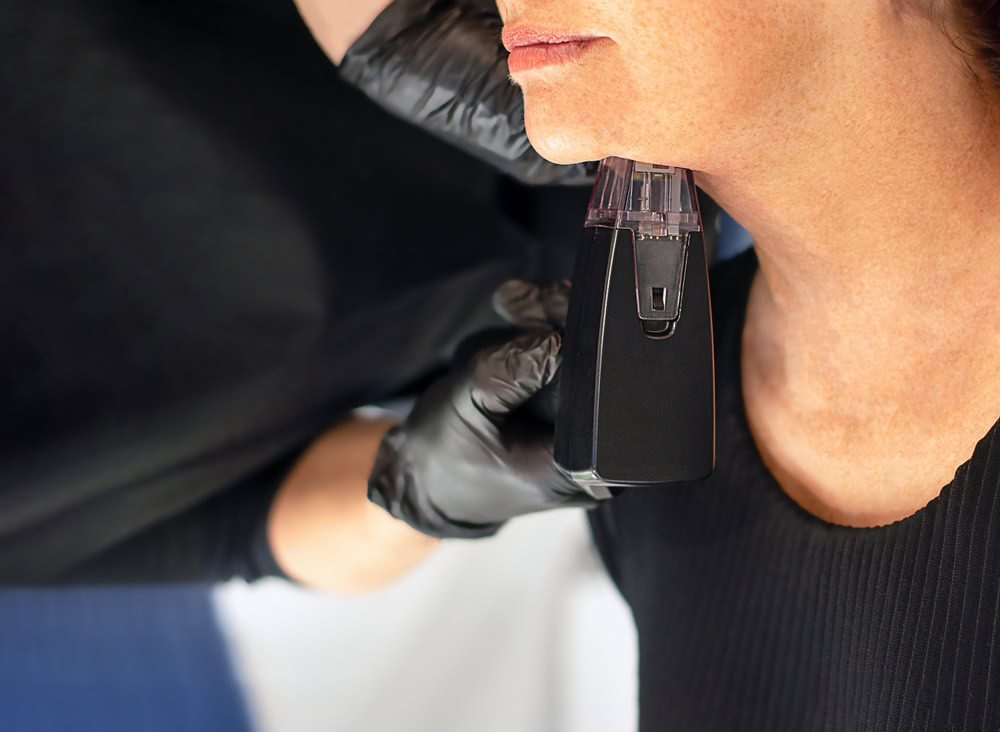
RF microneedling is effective for neck skin for the same reasons it works on the face: it reaches the deeper tissue layers where laxity originates, stimulates collagen at a structural level, and produces tightening that improves progressively over time. Crepey texture, horizontal neck lines, and general looseness along the front and sides of the neck all respond to treatment — though the degree of improvement depends on the starting point and the number of sessions completed.
Downtime for neck treatment is similar to facial treatment: most clients experience 24 to 48 hours of redness and mild swelling, with the skin settling into a more normal appearance within a few days. Sun protection after treatment is non-negotiable — and in Wake County, NC, where UV exposure runs high from spring through early fall, timing your treatment series for the cooler months (October through March) is genuinely worth considering. Fall and winter are the natural window for this work, and clients who plan ahead tend to see their best results by the time warmer weather returns.
One thing worth saying plainly: the FDA issued a safety communication in October 2025 noting that serious complications have been reported with certain uses of RF microneedling devices. This does not mean the treatment is unsafe — it means provider expertise, proper device settings, and clinical oversight matter enormously. At Wake Skincare, we operate under the backing of one of the most esteemed medical directors in the Triangle, using FDA-cleared devices, with a founder who has been recognized as the Best Esthetician in Wake County three consecutive years running. That combination exists for a reason.
Choosing the Right RF Microneedling Provider in Wake County, NC
RF microneedling is one of the most effective non-surgical skin treatments available — but the treatment is only as good as the person performing it and the protocols behind it. In a market as active as Wake County, that distinction matters more than it might seem.
If you’re considering RF microneedling for skin tightening, jowling, neck laxity, or overall skin rejuvenation, the right next step is a real consultation — not a sales call, but an honest conversation about your skin, your goals, and whether this treatment actually fits. That’s what we offer at Wake Skincare, and it’s free.
We’re located in Wake Forest, NC and serve clients from across Wake County and beyond — including Franklin and Granville Counties. If you’re ready to have that conversation, reach out to Wake Skincare and we’ll start there.
—
**Frequently Asked Questions**
**What is the best skin tightening treatment for the face?** The right answer depends on your skin type, the degree of laxity, and your tolerance for downtime. For mild to moderate laxity, RF microneedling — particularly Morpheus8 — is one of the most clinically supported options available without surgery. It reaches deeper tissue layers than most non-invasive alternatives and produces structural improvement rather than surface-level changes. Here in Wake County, NC, where summers are long and UV exposure is high, timing your treatment for fall or winter also maximizes results and minimizes post-treatment sun sensitivity.
**What is the best neck firming treatment without surgery?** RF microneedling is consistently among the top recommendations for neck laxity because it addresses the tissue layer where the problem actually originates. For crepey texture, loose skin along the front of the neck, or general loss of definition, a series of Morpheus8 treatments — spaced four to six weeks apart — produces measurable improvement that continues building for months after the final session. Results vary, but most clients in Wake County who complete a full series see meaningful change.
**What are the benefits of RF microneedling over standard microneedling?** Standard microneedling works at the surface level of the dermis and is excellent for texture, fine lines, and mild scarring. RF microneedling adds radiofrequency energy delivered through the needles into the deeper dermis, producing both immediate collagen contraction and long-term structural remodeling. For skin laxity and tightening concerns specifically, the added depth and thermal component make a significant clinical difference.
**How much does RF microneedling hurt?** Pain tolerance varies, but most clients describe the sensation as manageable — especially with professional-grade numbing cream applied before treatment. The discomfort is real and worth knowing about upfront, but the majority of clients find it tolerable and well worth the results. If pain is a concern, bring it up during your consultation so expectations can be set clearly.
**What can I expect after my first RF microneedling treatment?** Most clients experience redness and mild swelling for 24 to 48 hours after treatment. Some initial tightening may be visible early on, but the most significant results develop over weeks and months as new collagen builds. After a full series of three to five treatments, results typically peak around four to six months after the final session.
**Is RF microneedling safe for darker skin tones?** Yes — and the clinical evidence supports this specifically. A 2023 review in *Dermatologic Surgery* confirmed that RF microneedling carries a lower risk of postprocedural dyspigmentation for Fitzpatrick Types III through VI compared to many laser-based alternatives. Wake Skincare specializes in skin of color, and our founder holds international competition recognition in pigmentation treatment — making this one area where we have both the clinical grounding and the hands-on expertise to treat diverse skin tones safely and effectively.
**What is the difference between a medical spa and a day spa?** A medical spa operates under physician oversight and uses medical-grade devices and clinical protocols. A day spa offers relaxation treatments — facials, massages, and similar services — without the medical framework. For treatments like RF microneedling, that distinction matters: the devices are more powerful, the protocols are more precise, and the safety requirements are more rigorous. Wake Skincare operates as a medical and aesthetic clinic backed by a licensed medical director, which means the treatments we offer are held to a clinical standard, not just a comfort standard.
**What are the benefits of a radiofrequency facial?** A radiofrequency facial — whether standalone or combined with microneedling — stimulates collagen production, improves skin elasticity, tightens lax tissue, and reduces the appearance of fine lines and crepey texture. The effects are gradual and cumulative, which means results build over time rather than appearing all at once. For clients looking for improvement that looks natural rather than dramatic, that progressive quality is often part of the appeal.