Summary:
You’ve been showing up for your skin. Regular facials, good products, maybe a peel or two — and your skin looks fine. But fine isn’t what you’re going for. There’s a softness along the jaw that wasn’t there before. A texture that makeup doesn’t quite cover. A tiredness in your face that sleep doesn’t fix.
The frustrating part isn’t that you’ve been neglecting your skin — it’s that you haven’t been. You’ve been doing the right things, and they’ve taken you as far as they can. What you’re running into is the ceiling that surface treatments hit, and crossing it requires something that works at a different level entirely.
How Microneedling Rebuilds Skin Structure Below the Surface
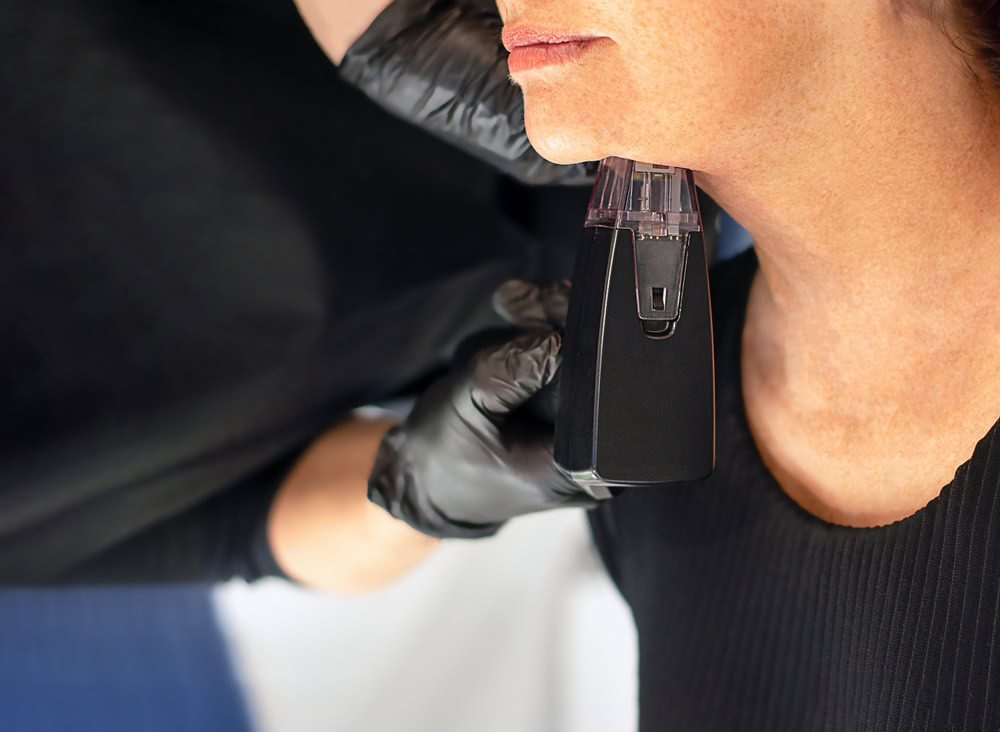
Microneedling works by creating controlled micro-injuries in the skin — tiny punctures that trigger your body’s natural healing response. That response means collagen and elastin production, the structural proteins responsible for skin firmness, elasticity, and texture.
Clinical studies show that completing a microneedling series can increase collagen and elastin production by 400% at the six-month mark. That’s not a surface refresh. That’s a measurable shift in your skin’s actual architecture.
At Wake Skincare, we use SkinPen — an FDA-cleared microneedling device — which means you’re getting a clinically validated treatment, not a knockoff version. Sessions typically run 30 to 60 minutes, and most clients work through three to six sessions spaced about four weeks apart. Results build gradually, which is exactly how real collagen remodeling works.
What Microneedling Actually Treats (and What It Can't)
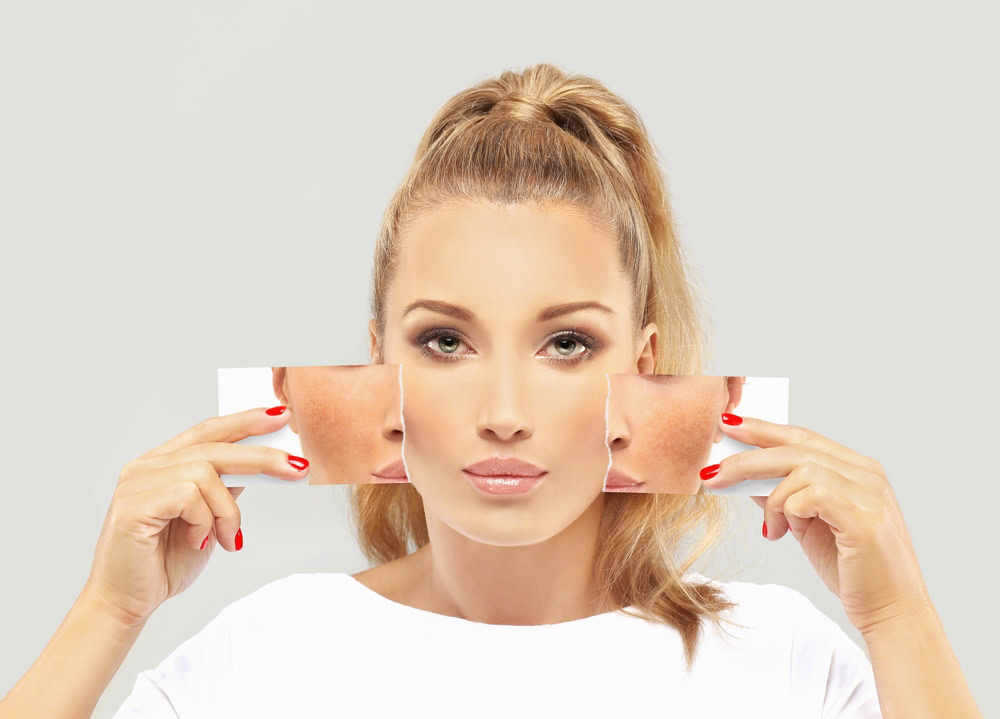
Microneedling is genuinely versatile. It addresses fine lines, acne scars, enlarged pores, and uneven texture — all by stimulating the skin to repair and rebuild from within. For clients dealing with hyperpigmentation or post-acne marks, it’s one of the safer options available, particularly for people with melanin-rich skin tones.
Unlike laser or heat-based treatments that target pigment directly, microneedling uses mechanical stimulation. It doesn’t care what color your skin is, which significantly lowers the risk of post-inflammatory hyperpigmentation — a real concern that not every provider in Wake County takes seriously enough.
That said, microneedling has its limits. It stimulates collagen, but it doesn’t generate the kind of deep tissue contraction that addresses meaningful skin laxity. If your main concern is sagging along the jaw or neck, or loose skin that’s lost its structural support, traditional microneedling alone isn’t going to get you there. That’s where radiofrequency changes the equation.
The distinction matters because many clients come in having tried microneedling elsewhere and feeling like it didn’t deliver on the tightening side. It’s not that the treatment failed — it’s that the concern required a different tool. Understanding the difference between what microneedling handles well and where RF needs to step in is exactly the kind of thing we sort out during a free consultation, before anything is booked or decided.
Microneedling Safety for Darker Skin Tones in Wake County
This is a question that comes up often, and it deserves a direct answer. Wake County has a large and growing population of clients with deeper skin tones who have had bad experiences — or heard enough stories — to approach any skin treatment with real caution. That skepticism is earned.
There are providers who apply the same protocol to every skin tone without adjusting technique, and the results can include burns, scarring, or hyperpigmentation that’s worse than what the client came in to treat. Mechanical microneedling — the kind SkinPen performs — does not target melanin. The stimulation is physical, not thermal, which makes it significantly safer for clients prone to post-inflammatory hyperpigmentation than laser-based or heat-intensive alternatives.
But the device is only part of the equation. The practitioner’s knowledge of how different skin tones respond, how to adjust depth and pressure, and how to support the skin before and after treatment matters just as much. Jacqueline Grace, our lead esthetician, won first and second place in Pigmentation Artist of the Year at The Skin Games — an international, peer-judged esthetician competition. That credential isn’t a marketing title. It reflects a specific, documented level of expertise in treating pigmentation concerns across a full range of skin tones.
For clients in Wake County who have spent years looking for a provider they can actually trust with their skin, that distinction is worth knowing.
Morpheus8: RF Skin Tightening That Reaches the Deeper Layers
Morpheus8 is RF microneedling — it combines the mechanical collagen stimulation of traditional microneedling with bipolar radiofrequency energy that penetrates up to 8mm beneath the skin’s surface. That depth matters. The dermis and subdermis are where laxity actually lives, and most surface treatments never reach them. Morpheus8 does.
The radiofrequency energy does two things simultaneously. It causes existing collagen fibers to contract — which produces an early tightening effect within the first few weeks — and it triggers new collagen formation that continues developing for up to six months after treatment. You’re not just refreshing what’s already there. You’re rebuilding the structural foundation underneath.
What Results Look Like and How Long They Last
Most clients notice initial changes around four to six weeks after their first session. Skin starts to feel firmer, texture smooths out, and the jawline looks more defined. The full picture develops over three to six months as collagen remodeling runs its course — which means the treatment is still working long after you’ve left our clinic.
A standard Morpheus8 protocol involves three to four sessions spaced four to six weeks apart. That’s not upselling — it’s how the biology works. Each session builds on the last, and the cumulative collagen response is meaningfully stronger than what a single session produces. Research has shown up to 65 to 70% improvement in skin texture and 90 to 95% wrinkle reduction at the three-month mark following a treatment series.
Results from Morpheus8 typically last 12 to 18 months. That’s a fundamentally different value proposition than a facial you need every four weeks to maintain. For working professionals in Wake County — people who want real outcomes without a standing monthly appointment — that longevity matters. When results do start to fade, a maintenance session is usually enough to sustain what the original series built.
Downtime is real but manageable. Most clients experience one to five days of redness, swelling, and pinpoint marks — enough to plan around if you have something on the calendar, but not the kind of recovery that keeps you home from work. Numbing cream is applied before treatment, and most people describe the sensation as tolerable pressure and warmth. Some areas are more sensitive than others, and we’ll walk you through what to expect for your specific treatment plan before anything starts.
Forma: Non-Invasive RF Skin Tightening for Maintenance and Early Concerns
Not every skin tightening goal requires the intensity of Morpheus8. Forma is a non-invasive RF treatment that delivers radiofrequency energy to the skin without microneedles — which means zero downtime. It stimulates collagen production and improves skin tone and elasticity through gentle thermal energy, making it a strong option for clients who want consistent RF exposure without scheduling around recovery days.
In practice, Forma works well as a maintenance treatment between more intensive sessions, or as a starting point for clients who are earlier in the skin laxity curve and not yet at the stage where Morpheus8 is the right call. The two treatments aren’t competing — they occupy different positions on the same spectrum, and part of what a consultation at Wake Skincare involves is figuring out where you actually are on that spectrum.
Wake County’s climate plays into this more than most people realize. North Carolina’s hot, humid summers and high UV exposure accelerate collagen breakdown over time. Clients who’ve lived here for years — or who relocated from somewhere with less sun — are often dealing with cumulative damage that goes deeper than what they can see in the mirror. RF treatments address that damage at the level where it’s actually happening.
Fall and winter are the optimal window for scheduling Morpheus8 and RF treatments, since sun exposure after treatment should be minimized — and the cooler months make that easier to manage in Wake County.
How to Know If Skin Tightening Is Your Next Step
If you’ve been consistent with facials and surface treatments and still feel like your skin isn’t responding the way it used to, that’s not a failure on your part — it’s a signal that the concern has moved deeper than those treatments can reach. RF microneedling and Morpheus8 exist for exactly that moment.
The right treatment depends on your skin, your goals, and where you are in the process. That’s not something a blog post can determine — but a thorough skin evaluation can. At Wake Skincare, every new client starts with a free consultation, no commitment required.
Jacqueline Grace has been named Best Esthetician in Wake County for three consecutive years, and our clinic is backed by medical director Dr. Joseph Hummel — one of the most respected practitioners in the Triangle. You’ll leave the consultation knowing exactly what’s going on with your skin and what your realistic options are.
If you’re ready to find out what’s actually possible, reach out to Wake Skincare and schedule your free skin evaluation.