Summary:
If you’ve moved to Wake County from somewhere drier — or even if you’ve lived here your whole life — you’ve probably noticed that your skin doesn’t always cooperate with the weather. Summers feel relentless. Winters dry everything out. Spring arrives with a pollen count that makes the whole Triangle feel like an allergy experiment. And somewhere in the middle of all that, you’re supposed to maintain a skincare routine that actually works.
The good news is that most of what your skin is doing makes complete sense once you understand the climate you’re living in. And once you understand it, you can stop guessing.
Humid Climate Skincare: What Wake County Weather Actually Does to Your Skin
Wake County sits in a humid subtropical climate zone — the same broad classification as Atlanta and Charlotte, but with its own seasonal patterns that make it genuinely challenging for skin. Average humidity hovers around 73% year-round, climbing above 80% on summer mornings. UV levels from June through August regularly hit 8 to 10 on the index scale, which is the “very high” to “extreme” range. That combination of heat, moisture, and UV radiation is a lot for your skin to manage at once.
What tends to happen is this: the heat signals your sebaceous glands to produce more oil, sweat mixes with that oil and bacteria on the surface, and pores get congested. Meanwhile, UV exposure is quietly accumulating — and even when you can’t feel a sunburn, that radiation is driving pigmentation changes and accelerating the breakdown of collagen. Most of the visible aging people notice in their 30s and 40s isn’t from getting older — studies suggest up to 80% of it comes from UV exposure over time.
Why Your Skin Gets Oilier in Summer — and What Not to Do About It
It feels counterintuitive, but the instinct to fight summer oiliness by drying your skin out actually makes things worse. When you strip the skin’s surface with harsh cleansers or skip moisturizer entirely, your skin reads that as a signal to produce even more sebum to compensate. You end up in a cycle — oilier skin, more aggressive cleansing, more oil — that doesn’t resolve on its own.
The better approach is gentler than most people expect. A gel-based or low-foam cleanser that removes buildup without stripping the barrier, a lightweight non-comedogenic moisturizer (yes, even in August), and a broad-spectrum SPF applied daily — and reapplied if you’re spending time outside. Fewer than 30% of adults apply sunscreen daily, and even fewer reapply it correctly. In a climate where the UV index is hitting extreme levels through the summer, that gap adds up fast.
One thing worth knowing: humidity in the air doesn’t mean your skin is hydrated. Sweat and heat actually accelerate water loss from the skin itself — a process called transepidermal water loss — so skipping hydration in summer because “it’s already humid outside” is one of the most common mistakes we see. Your skin can be surrounded by humid air and still be dehydrated underneath.
If you’re dealing with persistent breakouts, congested pores, or skin that just feels heavy and dull through the summer months, that’s usually a sign that your current routine isn’t keeping pace with what the climate is demanding — and that professional treatment might be worth considering.
The Wake County Pollen Problem Most Skincare Guides Completely Miss
Here’s something that rarely comes up in generic humid-weather skincare content: pollen. The Research Triangle is consistently ranked among the worst regions in the country for seasonal pollen, and Wake County is right in the middle of it. Tree pollen peaks in March and April. Grass pollen follows through May and June. Ragweed takes over from August into October. That’s a significant portion of the year when a fine layer of pollen is settling on your skin every time you step outside.
Pollen is an inflammatory trigger. For people with reactive or sensitive skin, prolonged pollen exposure can cause redness, irritation, and barrier disruption that looks a lot like a product reaction or a sudden sensitivity flare — but the real culprit is environmental. If your skin seems to get more reactive in spring or late summer for no obvious reason, pollen exposure is worth factoring in.
The practical response isn’t complicated, but it is specific to living in Wake County. Double cleansing in the evening during peak pollen season — an oil-based cleanser first to lift surface debris, followed by your regular cleanser — helps remove what’s accumulated on your skin throughout the day. Keeping your skincare routine simple and barrier-focused during high-pollen periods (fewer actives, more soothing ingredients) gives your skin a chance to recover rather than adding more stress on top of an already-inflamed surface.
This is also a situation where a professional skin assessment pays off. Pollen-triggered sensitivity can be mistaken for rosacea, contact dermatitis, or product sensitivity, and treating the wrong thing doesn’t help. Knowing what you’re actually dealing with changes what you do about it.
Seasonal Skin Changes in Wake County: Four Seasons, Four Different Challenges
One of the things that makes skincare in Wake County genuinely different from a lot of other humid climates is that you don’t just have one season to manage — you have four, and each one creates a distinct set of skin challenges. A routine that works beautifully in October will likely let you down in July. That’s not a product failure; it’s a climate reality.
The seasonal swings here are significant. You go from 90-degree August days with 80% humidity to January mornings that drop below freezing. Your skin doesn’t adapt automatically — it needs help making those transitions, and the timing of professional treatments matters just as much as your daily routine.
Summer to Fall in North Carolina: The Best Window for Skin Repair
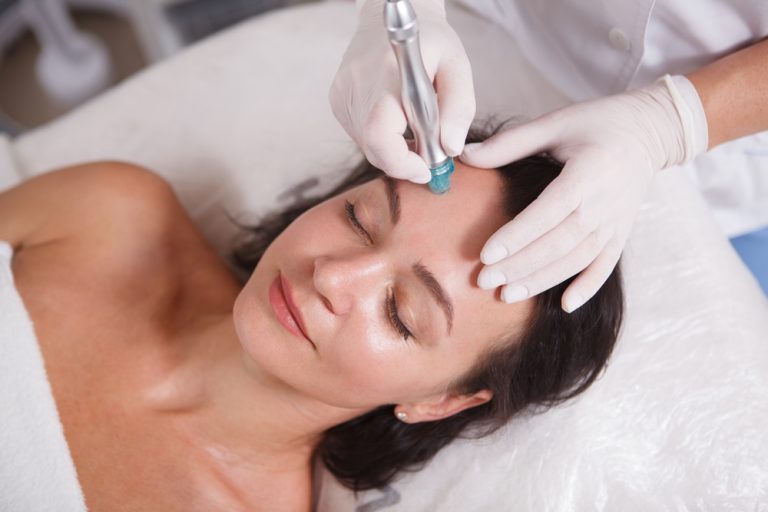
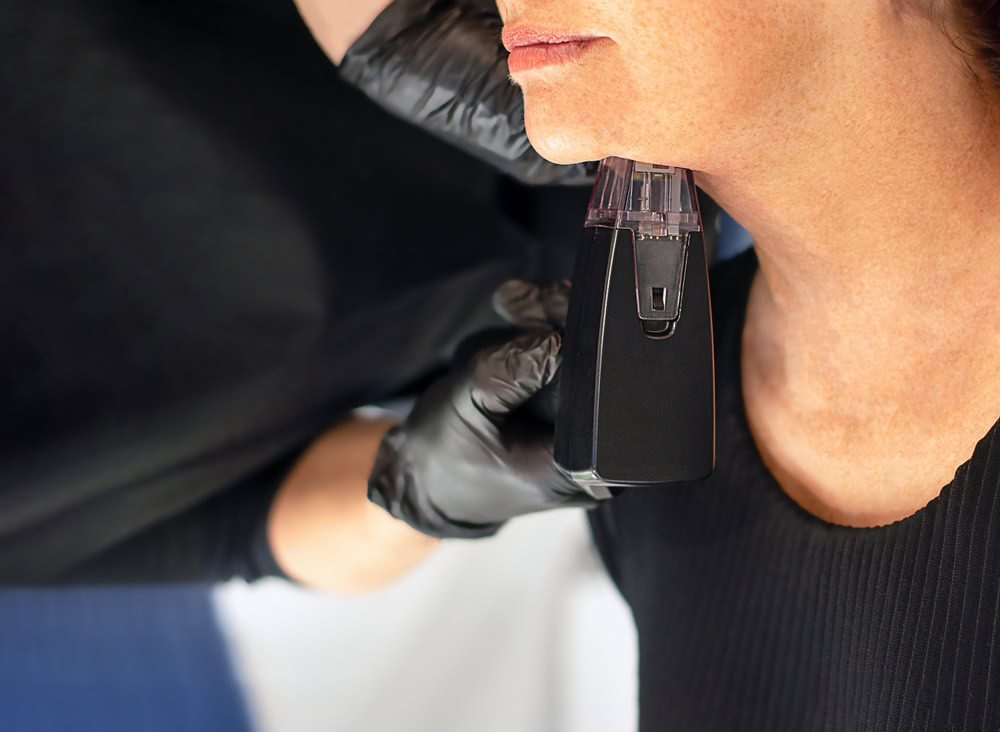
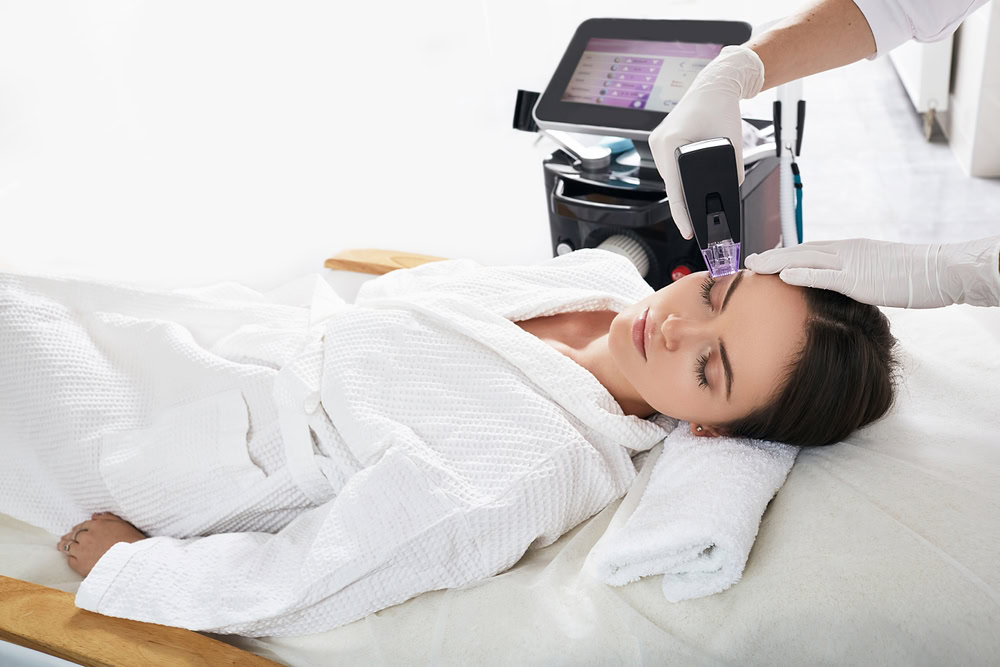
Fall is genuinely the most important skincare season in North Carolina, and most people don’t treat it that way. From September through November, UV levels drop, temperatures become manageable, and your skin finally gets a break from the relentless heat-humidity combination of summer. That makes it the optimal window for resurfacing treatments — chemical peels, microneedling, IPL for sun damage — because your skin can heal without the risk of post-treatment hyperpigmentation that comes with sun exposure.
Think about what a full Wake County summer does to skin: months of UV accumulation, congested pores, oil overproduction, and often some visible dark spots or uneven tone that weren’t there in May. Fall is when you address all of that. IPL treatments are particularly effective for the kind of sun-induced pigmentation that builds up over NC summers, and chemical peels can resurface and brighten skin that’s been through a lot. But the timing window matters — waiting until December means working through the drier winter months when skin is already compromised.
We see this pattern consistently with clients across Wake County. The ones who book resurfacing treatments in September and October come into the holiday season with noticeably clearer, more even skin. The ones who wait until January are often managing dryness and barrier issues at the same time as trying to correct summer damage, which makes everything slower.
If you’ve been thinking about addressing sun damage, dark spots, or texture concerns that built up over the summer, fall is when to move on it — not spring.
Local Skincare Needs: What Changes from Winter Through Spring in Wake County
Wake County winters are mild by Northeast standards, but they’re still enough to significantly change what your skin needs. Cold outdoor air combined with dry indoor heating strips moisture from the skin barrier, and the result is usually tightness, dullness, flaking, and sometimes flare-ups of rosacea or eczema in people who are prone to them. The lightweight gel moisturizer that worked perfectly in August is almost certainly not enough in January.
Winter is actually a good time for hydration-focused professional treatments — HydraFacial, for example, is well-suited to this season because it simultaneously clears out dead skin buildup and infuses the skin with moisture, which addresses both the dullness and the dehydration that accumulate through the colder months. It’s also a lower-UV period, which means certain treatments that require sun avoidance afterward are easier to schedule without disrupting your routine.
Then spring arrives, and it brings two things at once: the pollen surge we mentioned earlier, and a rapid ramp-up in UV levels starting in March. A lot of Wake County residents — especially those who moved here from cooler climates — underestimate how quickly UV exposure intensifies in the spring. By April, you need the same sun protection habits you’d use in July. That transition is also when many people first notice the hyperpigmentation or dark spots that built up the previous summer, now that the skin has cycled through winter and the discoloration is more visible.
The through-line across all four seasons is that your skin is always responding to something in the local environment. A single routine, used year-round without adjustment, is almost always leaving something unaddressed. That’s not a failure of discipline — it’s just the reality of living in a climate with this much seasonal variation.
Getting Your Skincare Routine Right for Wake County's Climate
Wake County’s climate isn’t forgiving, but it is predictable once you understand it. High humidity and UV in summer drive oil, congestion, and pigmentation. Fall is your window to repair it. Winter demands more barrier support than most people give it. Spring means pollen sensitivity and a faster UV ramp-up than you might expect. When your routine is built around those patterns instead of generic advice, it actually works.
The other thing worth saying plainly: some of what climate does to skin over time — accumulated sun damage, persistent hyperpigmentation, compromised texture — doesn’t respond to over-the-counter products the way people hope. That’s not a marketing pitch; it’s just the difference between what retail products are formulated to do and what professional-grade treatments can actually deliver.
If you want a clearer picture of where your skin stands and what it actually needs for Wake County’s specific conditions, we offer free skin evaluations and consultations — no commitment required. It’s a straightforward way to stop guessing and start with a plan that fits your skin, your climate, and your goals.