Summary:
You’ve probably seen it mentioned on social media, heard a friend rave about it, or stumbled across it while searching for something that actually works on your skin. Microneedling with radiofrequency keeps coming up — and for good reason. But most of what’s out there either oversimplifies it (“stimulates collagen!”) or buries the important details under marketing language.
What you actually want to know is: what is this treatment doing to my skin, is it safe for someone like me, and is it worth it? That’s exactly what this page covers.
How Radio Frequency Microneedling Works
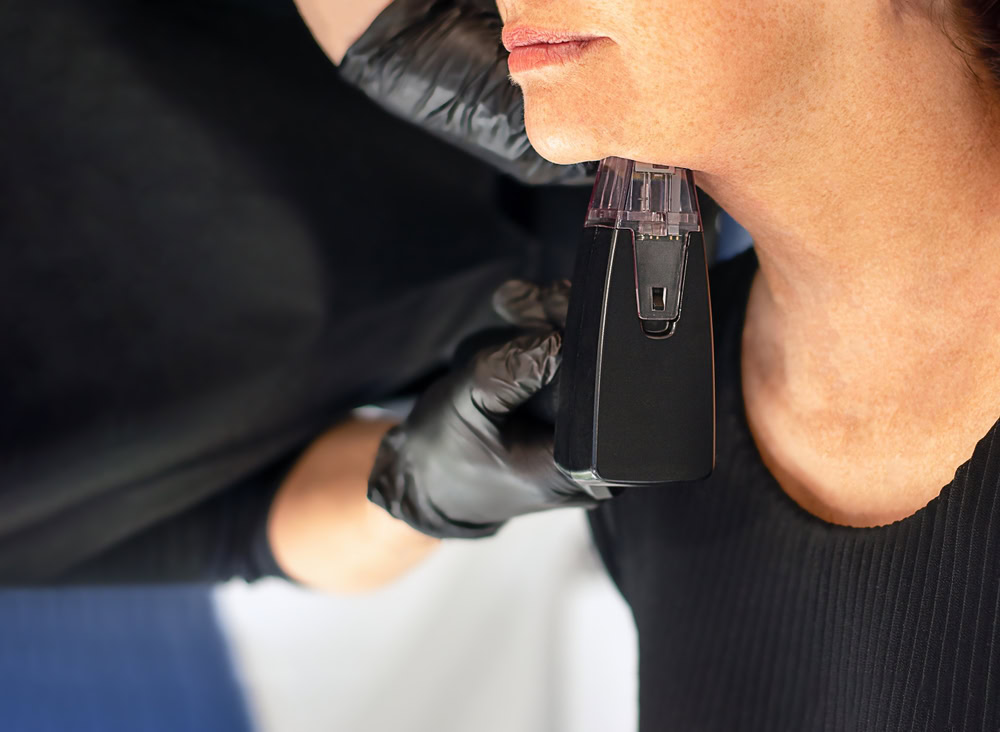
Standard microneedling creates tiny channels in the skin’s surface to trigger a healing response. RF microneedling does that — and then goes further. The needles deliver radiofrequency energy directly into the dermis, the deeper structural layer where collagen and elastin live. That combination of physical micro-injury and targeted heat is what makes this treatment different from anything you’d get in a typical facial.
The result is a two-phase response in your skin. First, the heat causes existing collagen fibers to contract — that’s where the immediate tightening effect comes from. Then, over the following weeks and months, your skin builds new collagen to repair the treated area. Clinical studies have documented elevated collagen levels up to a full year after treatment. That’s not a short-term surface effect. That’s your skin genuinely remodeling itself.
What Does an RF Microneedling Session Feel Like?
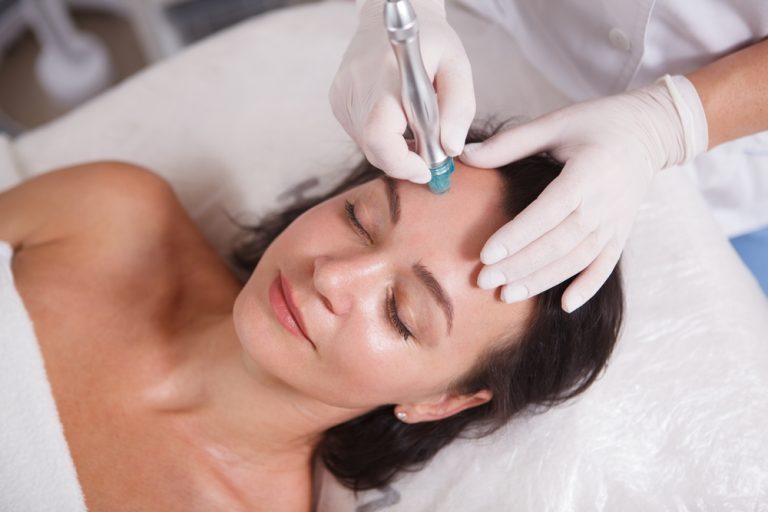
Before the session begins, a topical numbing cream is applied and given time to take effect. Most people describe the sensation during treatment as a warm, prickling feeling — noticeable, but not something that has most people gripping the armrest.
A facial treatment typically takes between 30 and 60 minutes depending on the area being addressed. Immediately after, your skin will look red, similar to a moderate sunburn. That redness is normal and expected — it’s your skin’s inflammatory response doing exactly what it’s supposed to do. For most people, that settles within 24 to 72 hours.
Some people notice an initial improvement in skin texture within the first two to four weeks. But the more significant changes — scar remodeling, deeper tightening, improvements in tone and texture — develop over three to six months as new collagen forms. The treatment is working long after you’ve left the clinic, which is a feature, not a delay.
Your skincare products become significantly more effective after treatment. The micro-channels created during the session allow serums and moisturizers to penetrate much deeper than they normally would, which means the products you’re already using work harder for you in the days following a session.
Is RF Microneedling Safe for Darker Skin Tones?
This is a question that doesn’t get asked enough — and it matters, especially in Wake County, NC, where a significant portion of the population has skin in the medium to deep range on the Fitzpatrick scale.
The short answer is yes, RF microneedling can be very safe for darker skin tones. A systematic review of 35 clinical studies published in Dermatologic Surgery found that RF microneedling carries a low risk of scarring or post-inflammatory hyperpigmentation in Fitzpatrick skin types III through VI — that’s the scientific classification for medium, olive, brown, and deep skin tones. A 2025 study published in PubMed specifically examined a dual-wave RF microneedling device on Fitzpatrick types IV through VI and found it effective at improving acne scars and reducing hyperpigmentation with minimal adverse effects.
Complications happen in the wrong hands — usually due to improper depth settings, incorrect energy levels, or a provider who hasn’t been trained to account for how different skin types respond to heat. The FDA issued a safety communication in October 2025 explicitly stating that RF microneedling is a medical procedure, not a cosmetic treatment, and that consumers should seek care from a licensed provider with specific training and experience on these devices.
At Wake Skincare, treating skin of color isn’t an afterthought — it’s a specialty. Jacqueline Grace took first place in the Pigmentation Artist of the Year category at The Skin Games, an international aesthetics competition. That credential wasn’t earned in a classroom. It was earned in a competitive setting, evaluated against practitioners from around the world. For anyone in Wake County with hyperpigmentation, uneven tone, or acne scarring on deeper skin, that distinction is worth paying attention to.
What to Expect from an RF Microneedling Treatment Series
One session of RF microneedling can produce noticeable results, but most protocols recommend a series of three to four sessions spaced four to six weeks apart for the best outcomes. That spacing isn’t arbitrary — it gives your skin time to complete each round of collagen remodeling before the next session builds on it.
Atrophic acne scars — the depressed, pitted kind — typically show 50 to 75 percent improvement after three to six sessions in clinical trials. Fine lines, skin laxity, enlarged pores, and uneven texture generally respond well within the standard three-session protocol. Your provider should assess your skin individually and give you a realistic picture of what to expect before you commit to anything.
When to Start RF Microneedling in Wake County
Wake County has a humid subtropical climate — long, hot summers with a high UV index that stretches from May through September. RF microneedling increases your skin’s sensitivity to sun exposure in the weeks following treatment, which raises the risk of hyperpigmentation if you’re spending time outdoors without serious protection.
Fall and winter are the ideal window for starting a treatment series in Wake County. October through February gives you the cooler months to complete your sessions and let your skin fully remodel before the summer sun returns. If you start in October or November, you’re typically looking at peak results right around spring — which is exactly when most people want their skin looking its best before the warmer months arrive.
If summer timing is unavoidable, it’s not a dealbreaker — but it does require more diligent sun protection before and after each session, and your provider should be adjusting the treatment plan accordingly. A provider who doesn’t bring up UV exposure and seasonal timing in your consultation is a provider who isn’t thinking about your specific situation.
How to Choose an RF Microneedling Provider in Wake County, NC
Wake County has no shortage of medspas and aesthetic clinics offering RF microneedling. That’s not a bad thing — it means you have options. But it also means the quality varies, and with a treatment the FDA classifies as a medical procedure, the stakes of choosing poorly are real.
Device-specific training is the first thing that matters. The device being used — whether it’s Morpheus8, VirtueRF, Potenza, or something else — should be one your provider has been formally trained and certified on, not just handed a manual for. Different devices deliver RF energy differently, and proper technique varies. We use Morpheus8 by InMode, one of the most clinically validated RF microneedling platforms available. Its insulated needle design protects the outer layer of skin while delivering precise energy to the dermis and subdermal tissue — a meaningful distinction for anyone concerned about surface complications.
Medical oversight is equally important. In North Carolina, medical-grade RF microneedling requires physician supervision. Wake Skincare is backed by one of the most esteemed medical directors in the Triangle. That’s not a marketing line — it’s the legal and clinical framework that makes it appropriate for us to offer this level of treatment at all.
Consultation quality matters too. A good provider doesn’t just ask what bothers you about your skin — they assess your skin type, your concerns, your history, and your goals before recommending anything. We offer a free skin evaluation and consultation to every new client. That session exists because a proper assessment is genuinely necessary before we’d recommend any treatment, let alone one that goes this deep.
Jacqueline Grace has been named Best Esthetician in Wake County for three consecutive years — not by a trade publication, but by the community she serves. That kind of recognition comes from consistent results with real people, not from a single standout case. If you’ve been hesitant to book because you’re not sure this is right for your skin, a free consultation is the lowest-risk way to find out.
Is RF Microneedling Right for You?
RF microneedling is a legitimate, well-researched treatment with real clinical evidence behind it — for acne scars, skin laxity, texture, tone, and more. It works at a depth that topical products simply can’t reach, and the results it produces are the kind that develop and deepen over months, not days. That’s what makes it different from most things you’ve probably already tried.
But it’s also a medical procedure, and the provider you choose matters more than almost any other variable. The right device, the right settings, the right expertise for your skin type — those aren’t details. They’re the difference between a treatment that works and one that causes harm.
If you’re in Wake County and you’re ready to have an honest conversation about whether this is the right next step for your skin, we’re here for that. Start with the free consultation — no pressure, no commitment, just a real assessment of where your skin is and where it could go.